
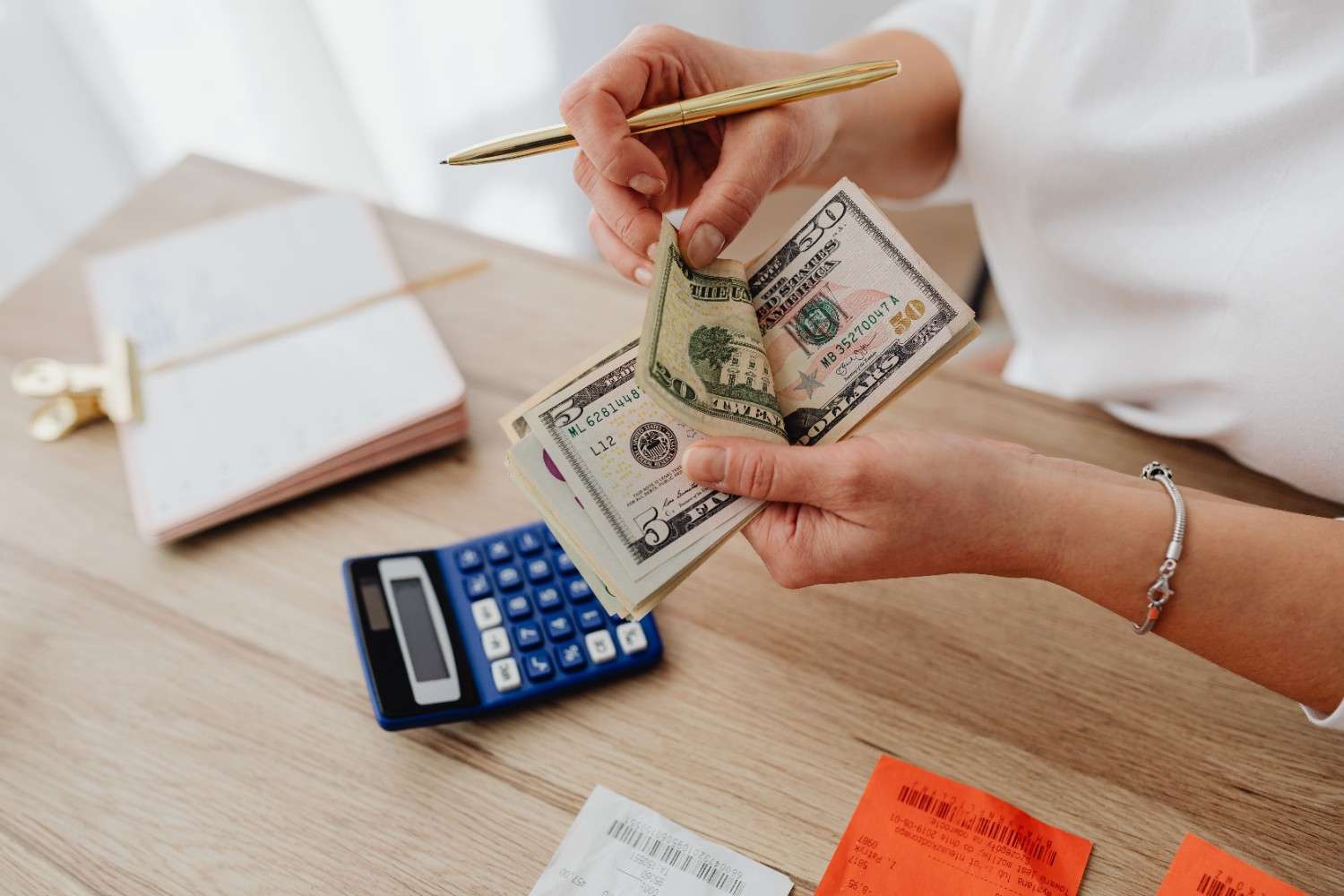
Saving money on the road isn’t about a strict budget challenge.
It doesn’t mean skipping every good meal or feeling guilty every time you buy a coffee.
It simply means becoming more aware of where your money goes once the trip begins.
Because travel spending has a funny way of disappearing quietly.
A taxi here, airport food there, one extra bag, a tourist area lunch, bottled water, snacks, fees, and small convenience purchases can turn a simple trip into something more expensive than you expected.
The good news is that you do not have to control every coin to travel smarter. A few simple habits can help you save money on travel while still enjoying the moments that make the trip worth taking.
Smart Ways to Save Money While Traveling
These money saving travel tips are not about making travel feel cheap. They are about helping your money last longer, so you can spend more on what you actually care about.
Why Small Choices Help You Save Money While Traveling
The biggest travel costs are easy to notice. Flights, hotels, and big tours usually get most of our attention because they take the largest part of the budget.
But the smaller costs are often the ones that surprise people.
Food you buy because you are tired. Taxis you take because you did not check public transport. Baggage fees you forgot about. Snacks at the airport.
A restaurant near a major attraction that costs more than it should. A currency exchange counter that gives you a poor rate.
None of these feel like a disaster on their own. But together, they can quietly drain your travel budget.
That is why the best budget travel tips are usually simple. They help you notice the small choices before they become expensive patterns.
Prices are approximate and can change with exchange rates and season, so check current costs before you book.
Track Your Spending Without Obsessing Over Every Coin
One of the easiest ways to save money while traveling is to know where your money is going.
You do not need a complicated spreadsheet during the trip. A quick note on your phone is enough.
At the end of each day, jot down what went to food, transport, activities, shopping, and everything else.
The point isn’t guilt it’s just knowing where the money actually goes.


If you notice taxis are taking too much of your daily budget, you can use public transport the next day. If restaurant meals are adding up quickly, you can plan a simple lunch and keep dinner special.
Tracking your spending while traveling helps you adjust before the trip gets away from you.
It keeps the budget calm instead of turning it into a surprise at the end.
Pack Light to Avoid Baggage Fees
Baggage fees can make a cheap flight feel less cheap very quickly.
If you can travel with a carry on or personal item, you may save money before the trip even begins. Packing light also makes the whole journey easier.
You move faster, avoid waiting at baggage claim, and have less to carry through stations, airports, and hotel stairs.
The trick is to pack clothes you can mix, repeat, and layer. Choose comfortable shoes, simple outfits, and travel size essentials. Do not pack for every imaginary situation.
Of course, packing light is not always possible. Longer trips, family travel, winter destinations, or special events may need more luggage.
But if you can avoid extra bags, this is one of the easiest travel money saving tips to use.
Shop at Local Grocery Stores
Local grocery stores are one of the most underrated ways to save money while traveling.
They help you cover simple meals, snacks, water, fruit, breakfast, and small picnic items without spending restaurant prices every time you are hungry.
They are also a fun way to see what locals actually buy, especially in a new country.
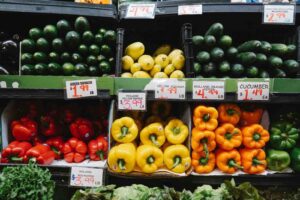
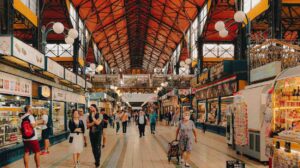
You do not have to cook full meals unless you want to. Even buying yogurt, bread, fruit, cheese, or snacks can make your travel budget stretch further.
This works especially well if your accommodation has a small fridge or kitchen.
But even without one, a few simple grocery stops can help you avoid expensive convenience food.
Some of the best cheap ways to travel are not dramatic. They are small habits that make each day easier.
Eat Where Locals Eat
If a restaurant is directly beside a famous attraction and the menu is translated into five languages with pictures of every dish, pause for a second.
It may still be fine, but tourist area restaurants are often more expensive and less memorable. Walking a few streets away can lead to better food, kinder prices, and a more local feeling.
Eating where locals eat is one of the oldest budget travel tips because it works.
Look for busy bakeries, markets, casual cafés, family run restaurants, street food, and small places with steady local customers.
This does not mean avoiding popular restaurants completely. Sometimes famous places are worth it.
But if every meal happens in the most tourist heavy area, your food budget will disappear quickly.
Good food does not always need a perfect view. Sometimes it is better down a side street.
Choose One Special Meal Instead of Three Expensive Ones
Food can make a trip unforgettable, so I would never suggest cutting every restaurant from your plans.
Instead, pick one meal a day worth splurging on and keep the rest simple a nice dinner, paired with a bakery breakfast and an easy lunch.


Or maybe lunch is your main meal, and dinner becomes something easy from a market or local takeaway spot.
This gives you the joy of eating well without making every meal expensive.
It also helps you spend more intentionally. You are not wasting money on average restaurants just because you are hungry. You are saving your food budget for meals you actually care about.
This is one of the most realistic affordable travel tips because it does not remove pleasure. It simply gives it a better place in the budget.
Use Public Transport While Traveling
Public transport can save a surprising amount of money, especially in cities with good metros, trams, buses, or trains.
Taxis and rideshares are convenient, but a few rides a day adds up faster than most people expect.
Buses, metros, and trams are almost always cheaper, and riding alongside locals tends to teach you more about a place than a car window does.
Not every hour of a trip has to cost something to feel worth it.
The cheapest moments are often the ones that stick with you longest.
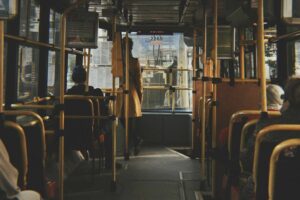
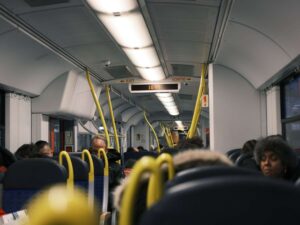
Before you arrive, check if the city has day passes, travel cards, airport trains, or multi day transport tickets. A little research can make the first day much easier.
Using public transport while traveling is not just a money choice. It can become part of the experience.
You see neighborhoods, stations, street scenes, and small everyday moments you might miss from a car.
Save taxis for late nights, heavy luggage, bad weather, or safety reasons.
Avoid Tourist Traps Near Major Attractions
Tourist traps are expensive because they know people are tired, hungry, and already standing nearby.
That does not mean every place near an attraction is bad. But it does mean you should be careful before sitting down just because it is convenient.
Check menus before ordering. Look at reviews if you have time. Walk a few streets away if everything feels overpriced. Ask your hotel, host, or local shop owner where they would eat nearby.
This is one of the simplest ways to save money while traveling because it protects both your budget and your experience.
You did not travel all that way to eat an expensive meal you forget by tomorrow. A little patience can lead to something better.
Look for Free Things to Do While Traveling
Free experiences can be some of the most beautiful parts of a trip.
Parks, viewpoints, beaches, markets, free museum days, walking routes, public gardens, libraries, festivals, churches, historic streets, and sunset spots can fill your itinerary without filling your spending.
Before you go, look up free things to do in your destination and drop pins on a map for later, so a lighter day is easy to plan on short notice.
This is especially helpful when you are traveling for several days and do not want every morning to begin with an entry fee.
Not every hour of a trip has to cost something to feel worth it. The cheapest moments are often the ones that stick with you longest.
Watch Out for Foreign Transaction Fees
Foreign transaction fees are easy to ignore because they do not always feel obvious while you are spending.
But if your card charges extra every time you use it abroad, those small percentages can add up over a full trip.
Before you travel, check whether your debit or credit card has foreign transaction fees.
If you travel often, it may be worth using a card that is better for international spending. Just make sure it fits your real finances and that you are not using credit to spend more than you can afford.
Also, when a card machine asks whether you want to pay in your home currency or the local currency, local currency is often the better choice because your bank usually gives a better exchange rate.
This small money habit can help you travel without overspending on fees you barely notice.
Be Careful With Airport Currency Exchange
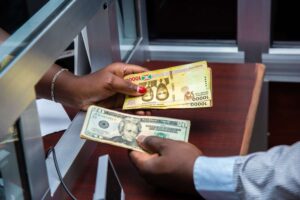
Airport currency exchange counters are convenient, but convenience can be expensive.
The rates are often not as good as what you might get elsewhere, and the fees can quietly take more from your travel money.
If you need cash, it is better to plan before you arrive or withdraw a sensible amount from a trusted ATM once you understand the fees.
Do not exchange large amounts at the airport unless you truly need to.
It is also smart to arrive with a small amount of local cash if your destination still uses cash often, especially for transport, tips, markets, or small shops.
This is one of those travel money saving tips that feels boring until it saves you from losing money before your trip properly begins.
Budget tip: Always calculate airfare separately from accommodation, food, and daily activities. Flight costs vary by city, season, and booking date.
Compare the Real Cost Before Booking Cheap Deals
Cheap deals are not always cheap once everything is added.
A low cost flight may charge extra for bags, seat selection, meals, and airport transfers. A cheap hotel may be far from the center, which means you spend more on transport.
A discounted tour may not include entry fees, meals, or pickup.
Before booking, look at the full cost.
Ask yourself what the deal includes, what it leaves out, and whether the cheaper option will cost more in time, stress, or extra spending.
This is one of the most important ways to save money while traveling because it helps you avoid false savings.
A smart traveler does not only ask, “Is this cheap?” They ask, “Is this actually good value for my trip?”
Budget tip: Plan an additional 10-20% for unexpected expenses and verify current prices before booking.
FAQ: Save Money While Traveling
What is the easiest way to save money while traveling?
Track what you spend each day, take public transport, eat where locals eat, and steer clear of restaurants planted right next to major attractions.
None of these habits are dramatic on their own, but stacked together over a full trip they beat any single big discount.
How can I save money on food while traveling?
You can save money on food while traveling by mixing special meals with simple ones. Try local bakeries, markets, grocery store breakfasts, street food, and casual restaurants away from tourist areas.
This lets you enjoy the food scene without making every meal expensive.
What are the best budget travel tips for beginners?
The best budget travel tips for beginners are to pack light, bring snacks, use public transport, plan free activities, avoid unnecessary fees, and leave a small buffer for hidden travel costs.
These habits are simple, realistic, and easy to use on most trips.
Final Thoughts: Spend Less, Remember More
Saving money on a trip isn’t about shrinking it. It’s about redirecting cash away from the small stuff that barely registers and toward the parts you’ll actually remember.
Spend less on airport snacks, baggage mistakes, tourist traps, unnecessary taxis, bad exchange rates, and meals you do not really care about.
Then spend more carefully on what you will remember.
A memorable trip isn’t expensive hour by hour it’s a mix: a quiet neighborhood walk, a bakery breakfast, a bus ride instead of a cab, and one meal worth planning around.
Travel feels better when your money has a purpose.
So keep the budget simple. Notice the small leaks. Leave room for joy. And let your trip feel full without coming home financially drained.
Discover more from Escape Cents
Subscribe to get the latest posts sent to your email.