
I almost booked Tenerife instead. A friend talked me into La Palma, Canary Islands at the last minute, and I’m genuinely grateful she did. This island trades crowded resort strips for banana plantations, black sand beaches, and a volcanic landscape that felt more dramatic than almost anywhere else I’ve traveled in Europe.
Updated 27 October 2026. I refreshed this guide with a quick-reference table and clearer sections. Flights, trail access, parking hours and pool conditions change, so confirm details locally before you go.
This is my honest guide to the island, built from a week spent actually driving its roads and hiking its trails, not a quick weekend pass-through.
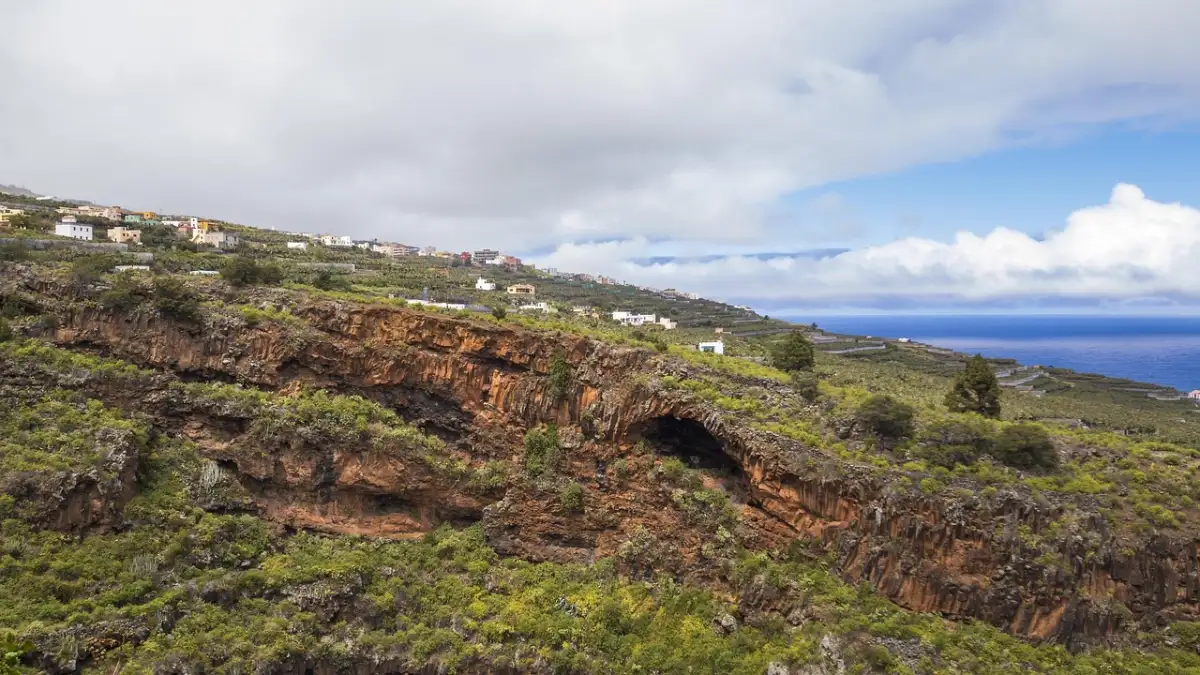
La Palma, Canary Islands At A Glance
Here is the quick version before the details. Conditions vary, so treat this as a planning guide.
| Place | Area | Best for | Good to know |
|---|---|---|---|
| Santa Cruz de La Palma | East coast | Old town and balconies | About two hours is enough |
| Ruta de los Volcanes | Volcanic ridge | Crater views | Several hours, demanding |
| Piscinas de la Fajana | Northeast coast | Volcanic rock pools | Calmer than the open sea |
| El Charco Azul | Near San Andrés | Shallower, sheltered pools | Gentler for families |
| San Andrés | Northeast coast | Quiet plaza and harbor | Easy walk from the pools |
| Roque de los Muchachos | Island summit | Stargazing and observatories | Bring a real jacket |
Why This Island Surprised Me
I’d pictured every Canary Island as some version of the same thing, sun loungers and package tourism. The island broke that assumption within an hour of landing.
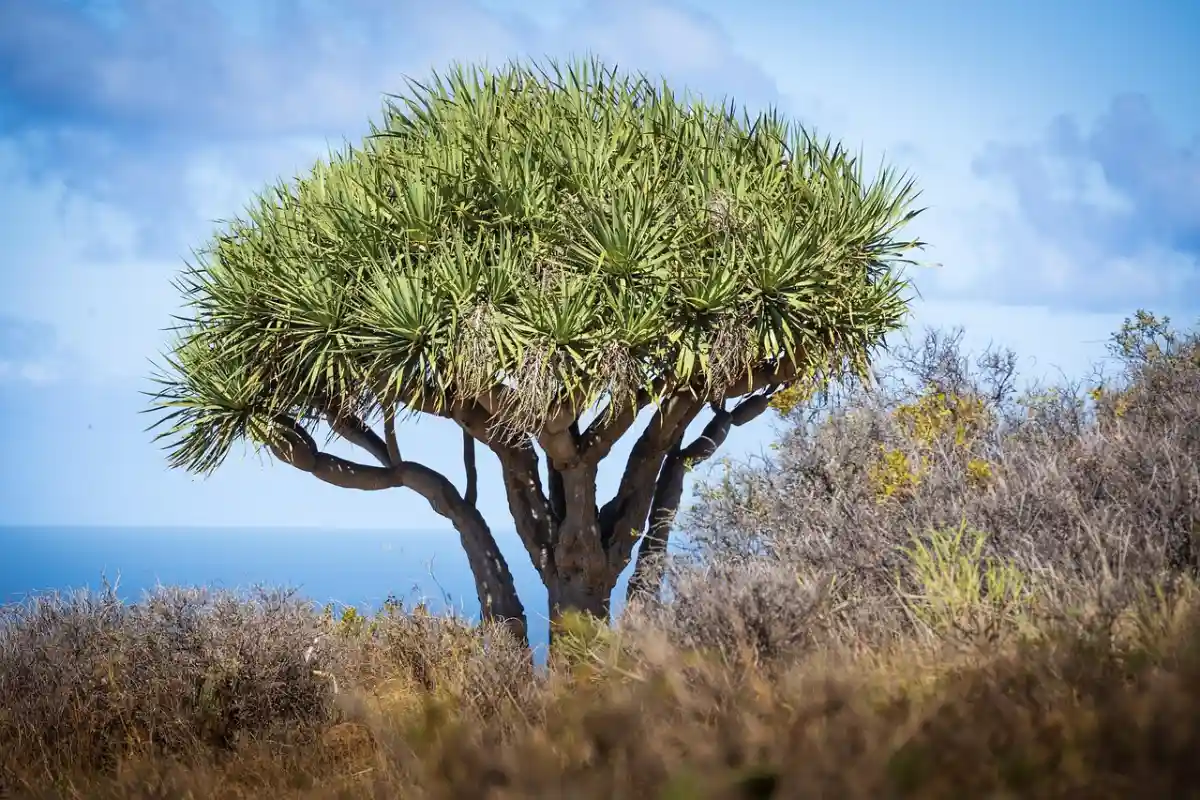
Green hillsides and dense forest cover much of the interior. That’s a genuine surprise for an island this far south. Banana plantations line nearly every road. Black sand beaches replace the pale sand found elsewhere in the archipelago, a direct result of the island’s volcanic origins.
None of this reads like a typical beach holiday. That’s exactly what made the trip memorable.
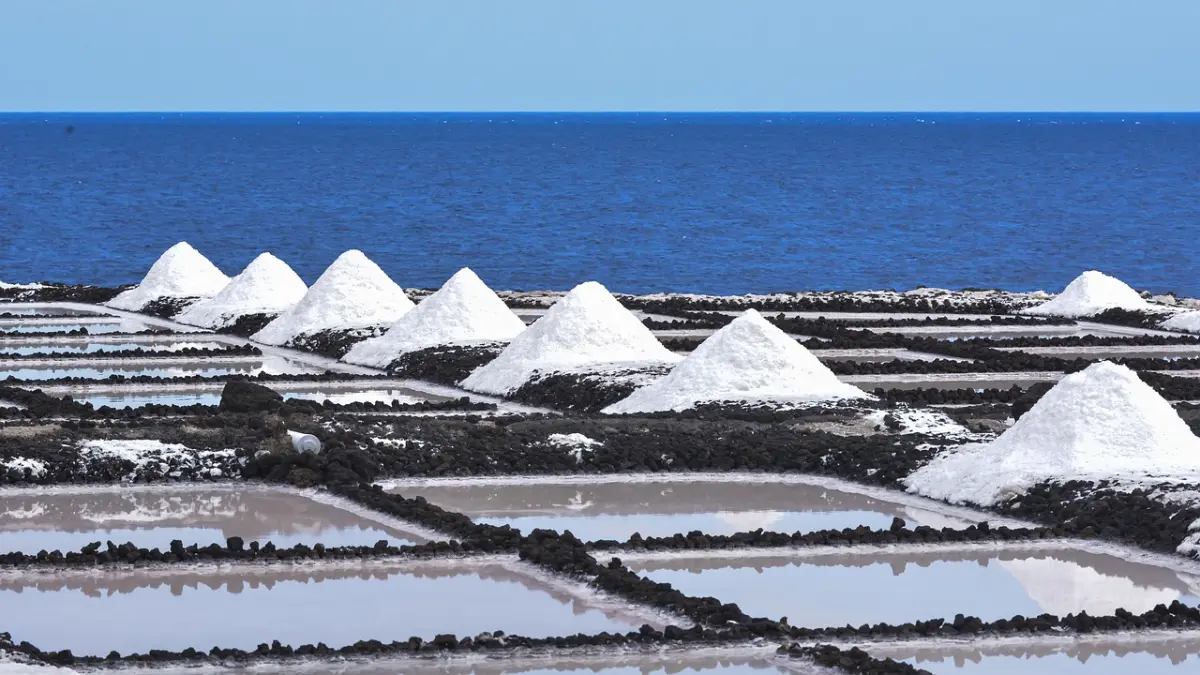
Getting To La Palma, Canary Islands, And Getting Around
Direct flights connect the small airport to several mainland Spanish cities and a handful of other European hubs. Options run more limited than the bigger islands nearby, though, so booking ahead pays off if your travel dates aren’t flexible. The official La Palma tourism site lists current travel information.
Renting a car made the entire trip work. Public transport exists but covers the island slowly. So much of what makes this island worth visiting sits along winding mountain roads that a bus schedule simply can’t accommodate well. Roads stayed in solid condition everywhere I drove. Some mountain sections demand real attention, though, narrow with sharp switchbacks climbing toward the island’s higher elevations.
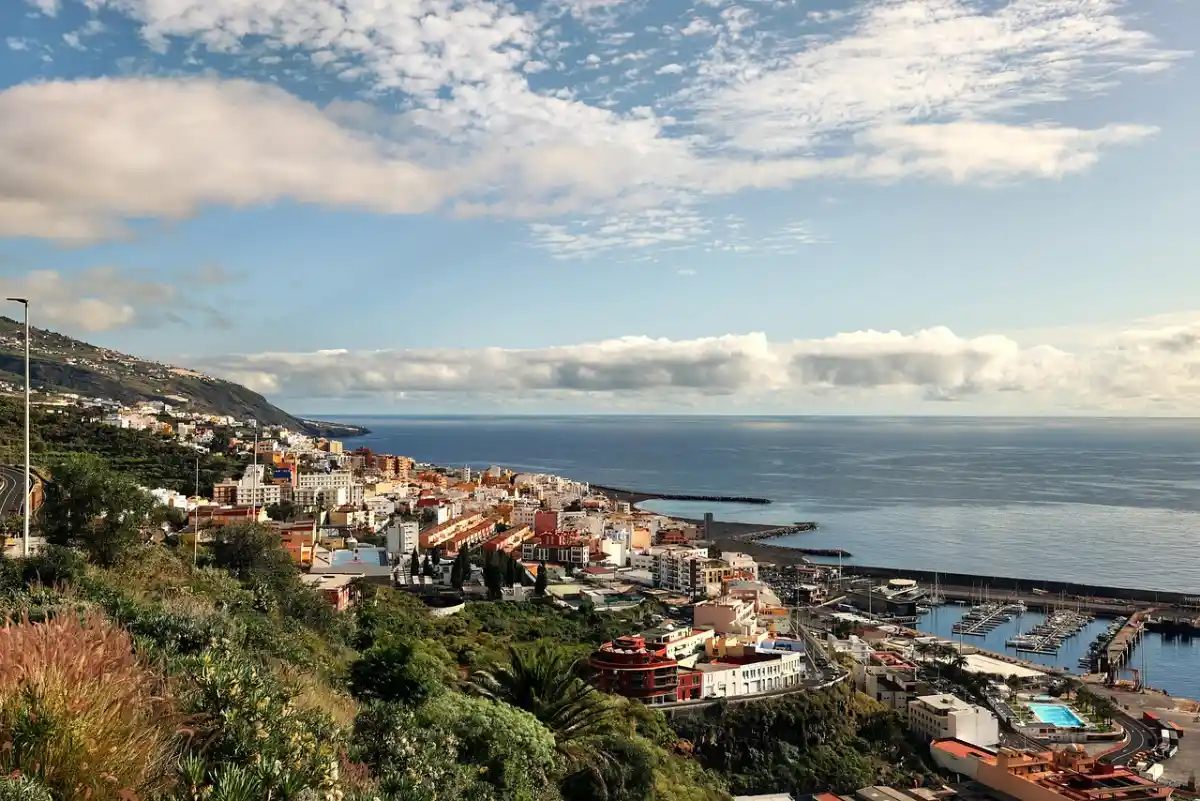
Santa Cruz De La Palma
The island’s capital turned into my favorite two hours of wandering anywhere on this trip.
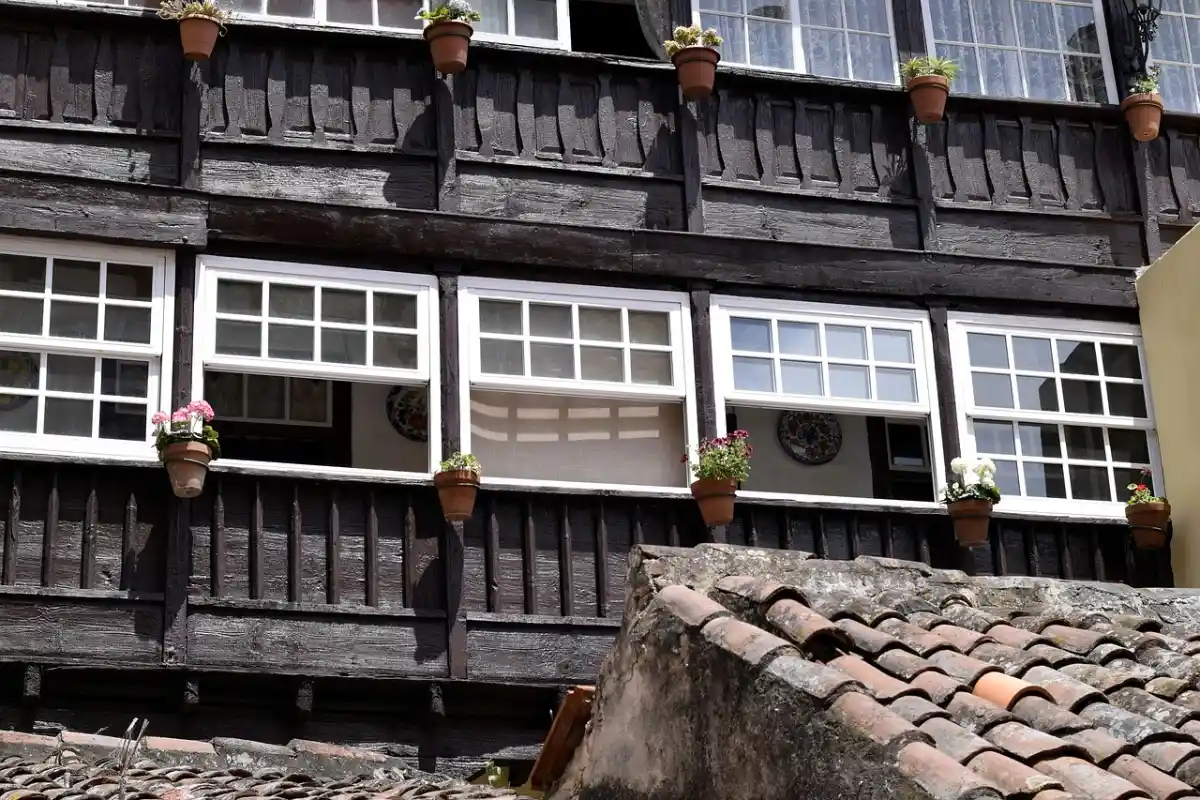
Colorful wooden balconies line the old town’s steep little streets. It’s small enough to see properly without needing a full day.
I started at Plaza de España, a genuinely beautiful town square. From there, I grabbed coffee at a café right on the plaza before continuing uphill.
One street in particular, lined with traditional buildings and a picturesque souvenir shop on the corner, ranked among the prettiest I photographed on the entire island.
Following the street back down toward the water brought me to a stretch of flower-covered balconies right along the coast.
It’s easily the most photogenic corner of the whole town.
Hiking The Volcanoes On La Palma, Canary Islands
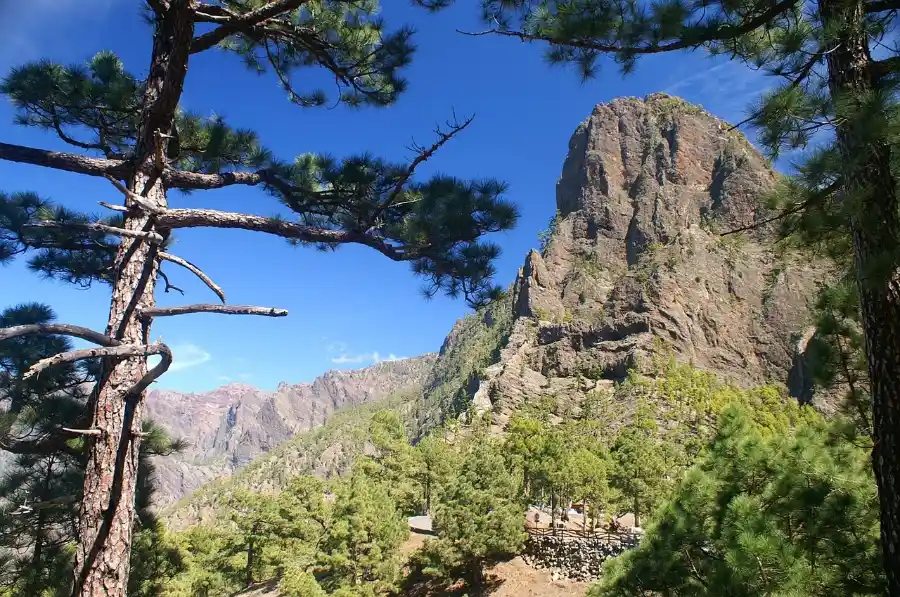
Volcanic hiking trails cover much of the island. I’d genuinely rank this among the top reasons to visit over its more crowded neighbors.
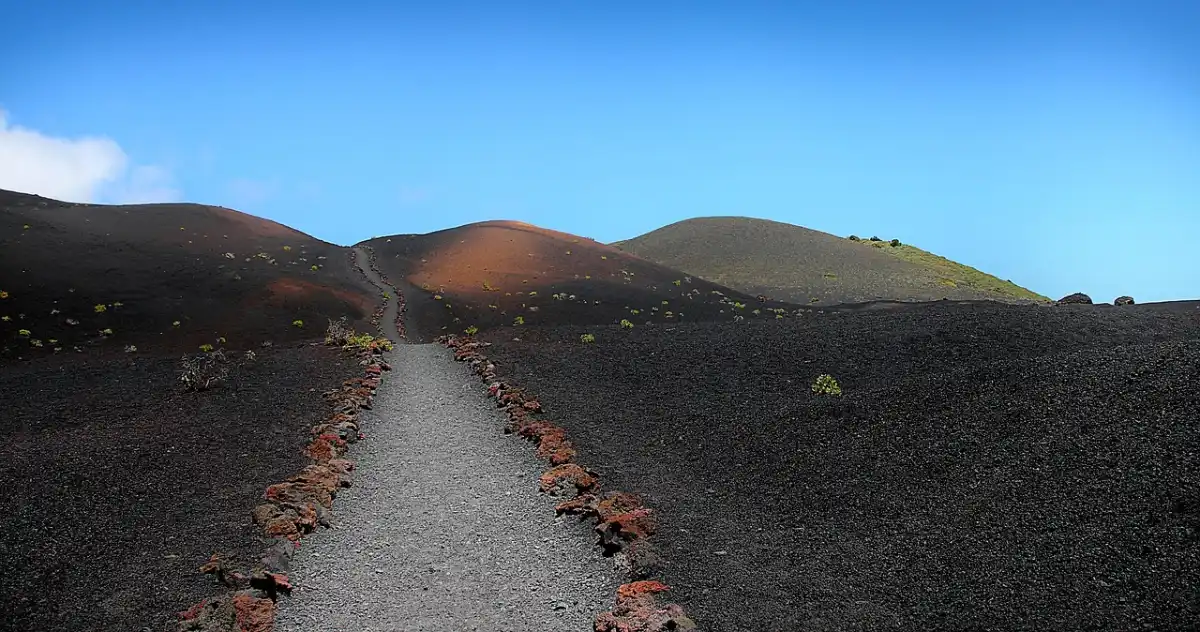
The Ruta de los Volcanes runs along a ridge connecting a chain of volcanic craters. It offers sweeping views in both directions on a clear day.
It’s a serious hike, several hours long with real elevation change. I’d only recommend it to travelers comfortable with a genuinely demanding trail.
Shorter routes branch off at various points if the full ridge walk feels like too much.
Near one waterfall trail on the island, a short walk from the parking area leads to a viewing platform, an easy add-on if you’re already in the area.
Parking there may not open until 9am, so check before you go.
I’d bring proper hiking shoes regardless of which trail you pick, since sections turn muddy and slippery on loose gravel fast.
Swimming In Volcanic Pools
Natural swimming pools carved into volcanic rock turned into one of my favorite ways to cool off after a day of hiking.
Piscinas de la Fajana sits right by the sea. Volcanic walls keep the water noticeably calmer than the open ocean beyond them.
I timed my visit for a sunny, low-wind afternoon, and the water stayed impressively clear and swimmable.
For families or anyone wanting gentler conditions, El Charco Azul offers shallower, more sheltered pools nearby.
It’s a better option if strong waves make the deeper pools feel intimidating.
San Andrés And The Coast
From El Charco Azul, an easy thirty-minute coastal walk leads to San Andrés. This small, colorful town might be the single prettiest spot I found anywhere on La Palma, Canary Islands.
I sat with a drink on the town’s small plaza, watching fishing boats bob in the harbor below brightly painted buildings.
It’s a genuinely quiet corner of the island, far removed from anything resembling a tourist crowd.
I stayed considerably longer than I’d originally planned.
Roque De Los Muchachos
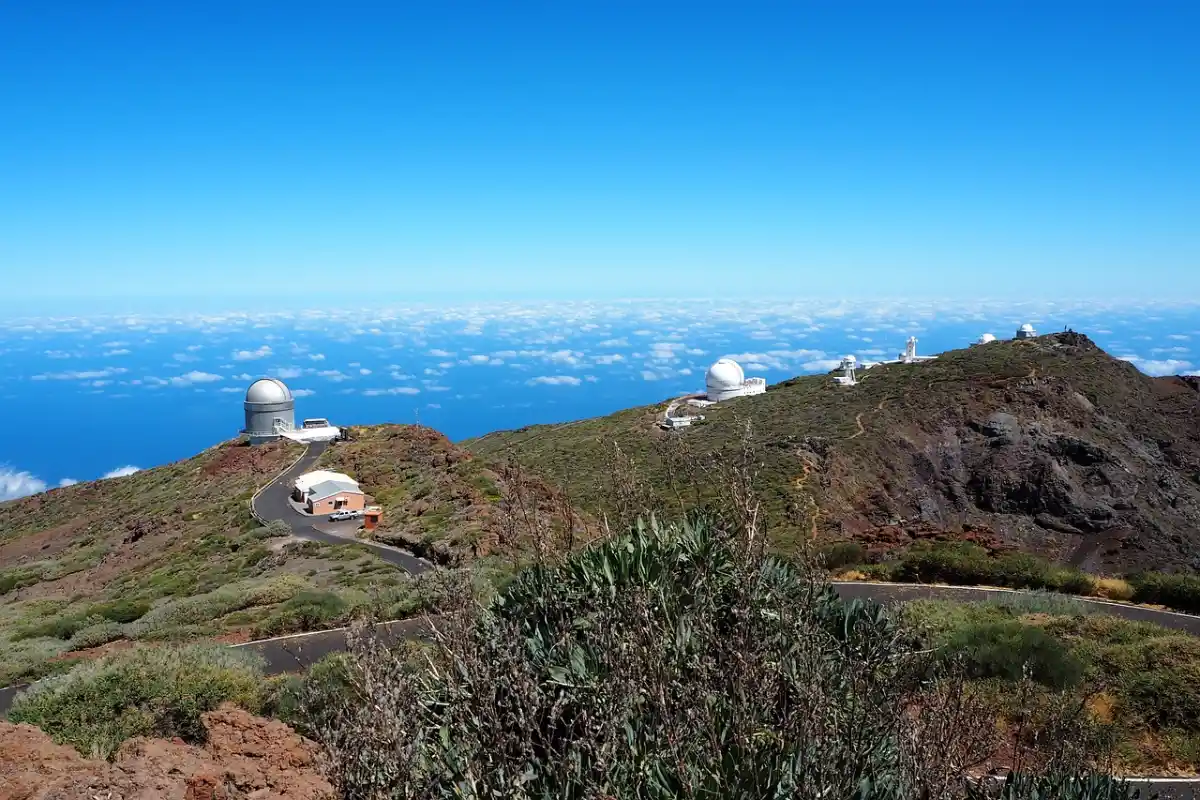
At the island’s highest point, over 2,400 meters above sea level, Roque de los Muchachos delivers some of the clearest night skies I’ve ever stood under.
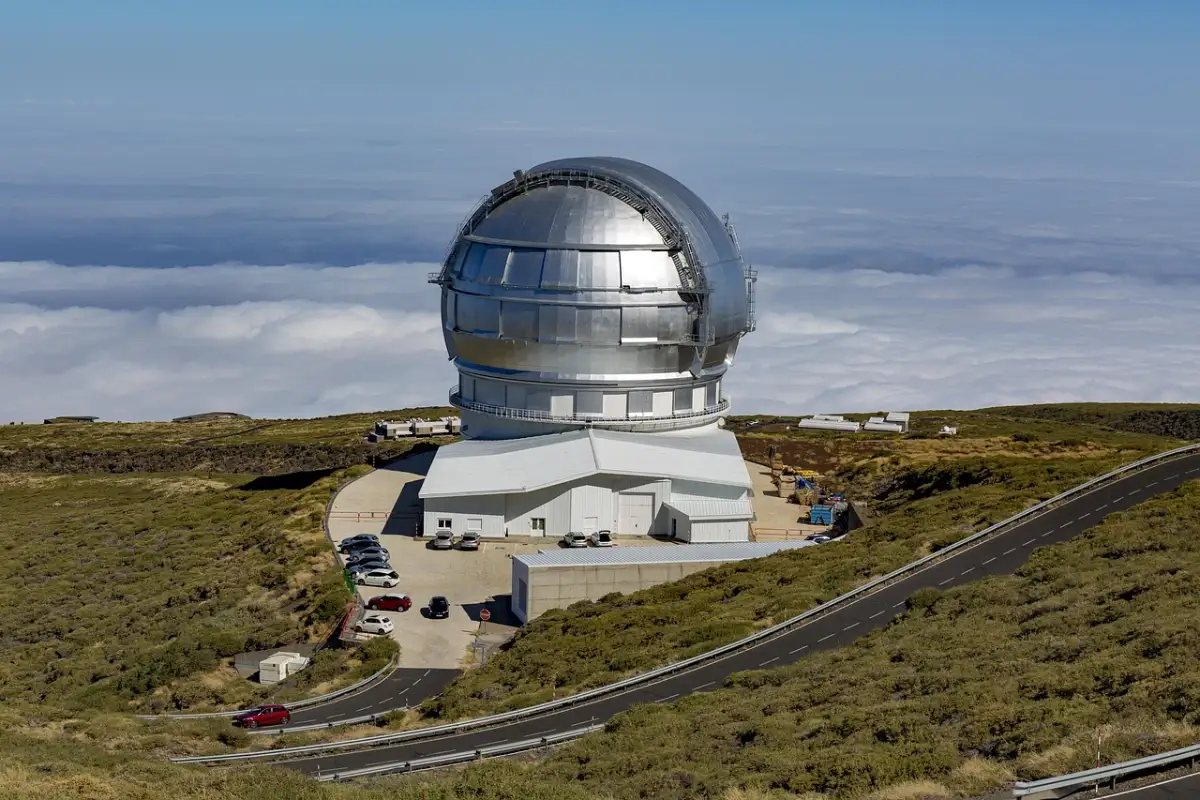
Several major international observatories sit up here, taking advantage of unusually stable, clear atmospheric conditions. I drove up in the late afternoon specifically to catch both sunset and the first stars appearing.
The temperature drop at that elevation caught me off guard, even in a Canary Islands summer.
Bring a real jacket regardless of how warm the coast felt that morning.
What Locals Told Me
A few conversations along the way shaped how I saw the island more than any guidebook could have.
A hotel owner in Santa Cruz told me most visitors come specifically for the stargazing. The same clear skies that attract the observatories draw them in.
A café worker in San Andrés mentioned that summer brings noticeably more visitors than the rest of the year. Even peak season felt calm, though, compared to what I’d experienced on other Spanish islands.
Several locals also recommended timing a visit around one of the island’s traditional festivals.
I’d genuinely consider building a future trip around that idea.
Where I Stayed On La Palma, Canary Islands, And What I’d Do Differently
I based myself near Los Llanos de Aridane, on the western side of the island. It sat closer to several of the hiking trailheads I’d planned around.
That decision worked out well. I found myself driving back toward Santa Cruz more often than expected, though, for meals and evening walks.
Looking back, I’d split my stay across two bases instead of one.
A few nights near Los Llanos would cover the volcanic trails and swimming pools.
A few more closer to the capital would give easier access to the old town and the coastal walk to San Andrés. Five nights in one spot felt slightly inefficient in hindsight.
A two-base approach would have meant less driving each day.
Food Worth Seeking Out
Local cuisine on the island leans heavily on what actually grows there, and it shows in the best possible way.
Papas arrugadas, small wrinkled potatoes served with a spicy mojo sauce, showed up on nearly every menu I found. I never got tired of them.
Given how many banana plantations cover the island, it’s no surprise the local bananas tasted noticeably better than anything I’ve had shipped elsewhere.
They’re sweeter and more flavorful than the imported versions most people know.
Fresh fish rounds out most coastal menus too. It’s simply grilled, often served with the same mojo sauce in a green, herbier variation.
Practical Tips For La Palma, Canary Islands
A handful of details would have saved me some confusion across the week. For wider Spain planning, the official Spain tourism site is a useful starting point.
Rent a car before you land if possible, since availability tightens during peak season.
Having your own vehicle genuinely transforms what’s reachable on this island.
Pack layers for any hike or high-elevation visit, since temperatures swing considerably between the coast and the island’s volcanic peaks.
Bring proper water shoes for the volcanic pools too, since the rocky entry points aren’t especially forgiving on bare feet.
Check hiking trail conditions before setting out, particularly after rain, since several paths turn genuinely slippery with little warning.
Spanish is spoken almost universally here, more so than in the busier tourist zones of Tenerife or Gran Canaria. A few basic phrases go further than you might expect.
If you’re comparing Spanish islands, our guide to things to do in Mallorca shows a very different side of the Spanish islands.
FAQ: La Palma, Canary Islands
Is La Palma, Canary Islands worth visiting compared to Tenerife?
Yes, particularly for travelers who want dramatic volcanic scenery and a quieter pace. The island offers considerably less development and crowding than its more famous neighbors, at the cost of fewer nightlife and resort options.
How many days do you need on La Palma?
Five to seven days allows a comfortable pace covering the hiking trails, coastal towns, and volcanic pools without feeling rushed. A long weekend still covers a solid highlight reel, though.
Do you need a car to explore La Palma, Canary Islands, properly?
Yes, essentially. Public transport covers the island slowly. Most of what makes this island worth visiting, the hiking trails, remote swimming pools, and mountain viewpoints, sits well beyond convenient bus routes.
What is the best time of year to visit La Palma?
Spring and autumn offer the most comfortable hiking weather. This avoids both summer heat on lower-elevation trails and the occasional winter cold at the island’s highest points.
Final Thought
La Palma, Canary Islands ended up being the trip I almost talked myself out of taking, and it turned into one of the more memorable weeks I’ve spent in Spain.
Skip the assumption that every Canary Island looks the same. Rent a car, hike at least one volcanic trail, and build in time for a slow afternoon in San Andrés.
Those unplanned, unhurried moments ended up mattering more than anything I’d actually researched in advance.

Hi, I’m Ravi Teja, a freelancer and budget traveller. I’ve explored 20+ countries so far, and I pay for every trip with income from my side hustles. On Escape Cents, I share honest guides to places I’ve actually been, plus the money tips that keep my travels affordable.
Discover more from Escape Cents
Subscribe to get the latest posts sent to your email.