
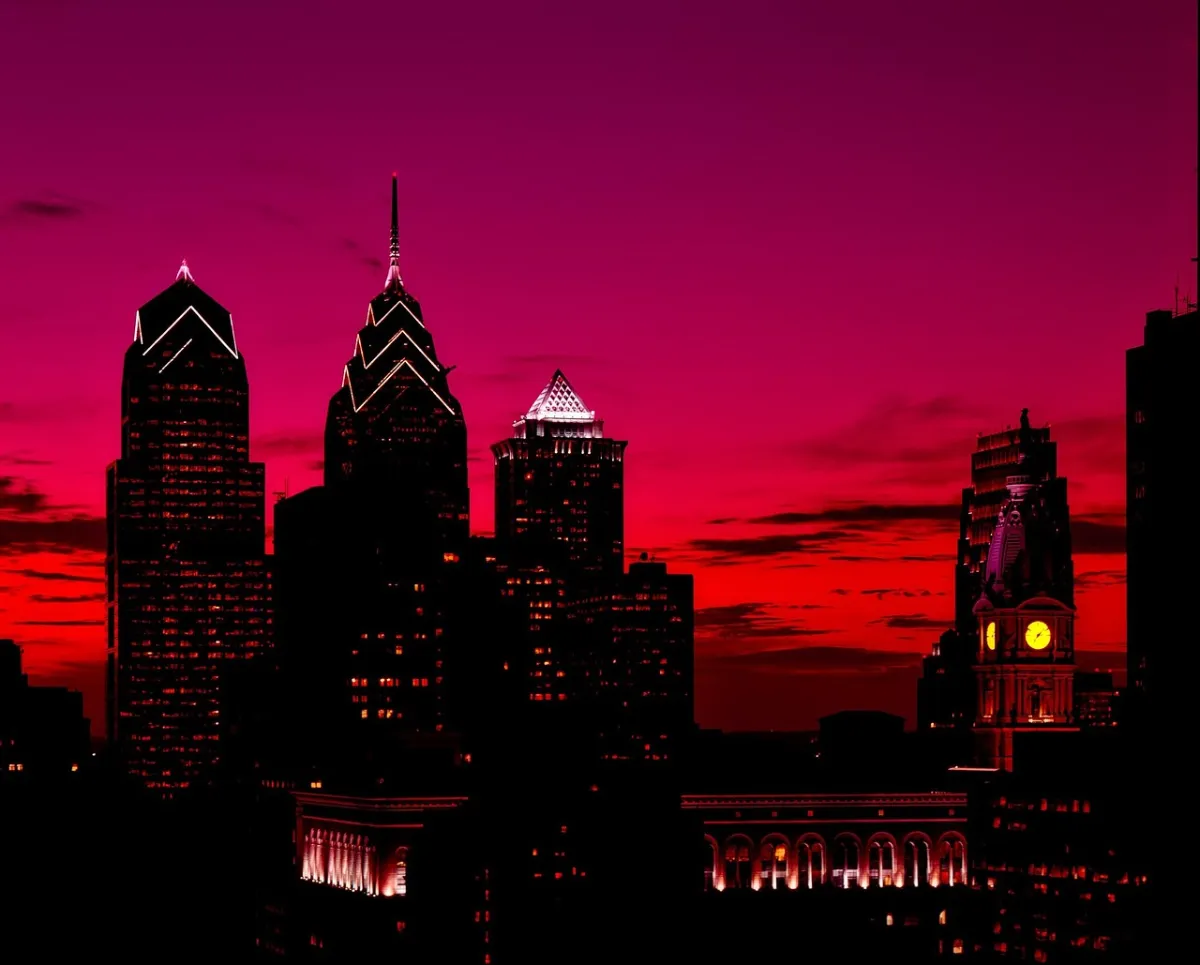
On my first visit, I arrived with three browser tabs, a crumpled paper map and absolutely no plan. By lunchtime I had walked past the Liberty Bell twice without noticing, eaten a mediocre sandwich and spent too much on a rideshare. That day taught me what a good Philadelphia travel guide should do: tell you what matters, what to skip and how to connect the pieces.
Updated 24 November 2026. This guide draws on official park, museum and tourism pages plus published travel coverage, not on every timetable or fare. Opening hours, ticket rules and prices change often, so check each venue before you go. Some photos are illustrative.
Philadelphia packs American history, great food, serious art and walkable neighborhoods into one compact city.
This master guide covers the basics first, then the must-see sights, then the logistics. Along the way you will find links to deeper guides on food, hotels, a car free itinerary and hidden gems.
Philadelphia Travel Guide At A Glance
This table is the short version. Use it to orient yourself, then jump to the section you need.
| Question | Quick answer | Details |
|---|---|---|
| Best time | Spring and fall | Mild weather, fewer extremes |
| Days needed | 2 to 3 | Add 1 for museums and day trips |
| Getting around | Walk plus transit | A car is optional |
| Must see | Independence Hall area | Check ticket rules |
| Food | Cheesesteaks and markets | Try local favorites |
| Where to stay | Rittenhouse or Old City | Compare by priority |
One honest note: you cannot see everything in one trip. Pick a theme, such as history, food or art, and let it guide your choices.
Essential Philadelphia Travel Guide Facts And FAQs
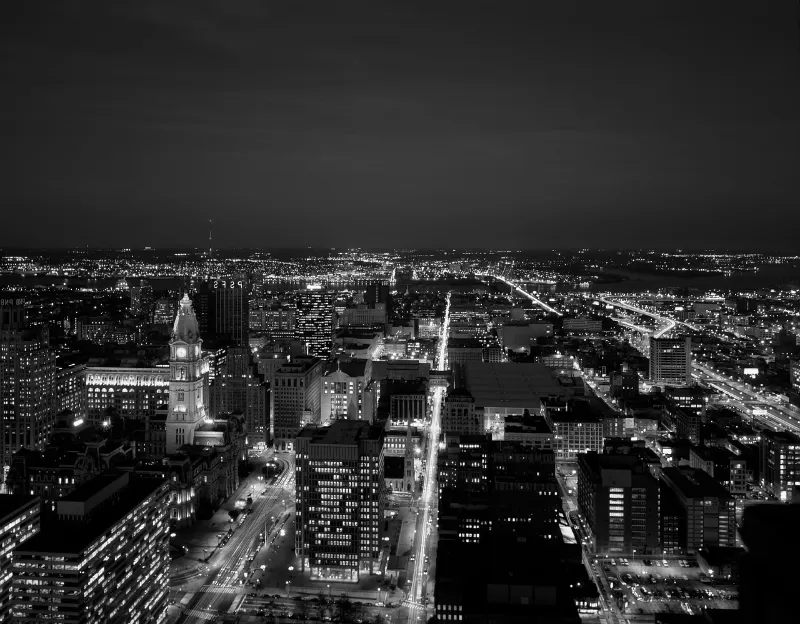
Before you book anything, a few quick facts help. Philadelphia sits in southeastern Pennsylvania on the Delaware and Schuylkill rivers, about a train ride from both New York City and Washington, D.C. That makes it a popular add on to an East Coast trip.
If you are building a bigger itinerary, my guide to the best places to visit in the USA can help you plan the rest.
Best Time To Visit Philadelphia (Weather And Seasonal Events)
Spring and fall are usually the most comfortable seasons. Days are mild, trees are colorful and outdoor sights are pleasant to explore. Summers can be hot and humid, and winters can be cold, so pack for the season you choose.
Events add flavor throughout the year. A flower show often takes place in early spring, a big Fourth of July festival fills the historic area in summer, and holiday markets usually appear in late fall and December.
Dates change every year, so check the official calendar before you plan around one.
Here is a simple seasonal view. Spring brings blossoms and comfortable walking weather, although rain showers are common. Summer is lively, with long days and outdoor events, but heat and humidity can slow sightseeing, so plan indoor stops for the afternoon.
Fall is often the sweet spot, with crisp mornings and colorful parks. Winter is quieter and usually cheaper, and it suits museum days and cozy meals.
Therefore, choose the season that matches your priorities, then pack layers. Aim for spring or fall, and book early for holiday weekends.
Is Philadelphia Safe For Visitors? (General Safety Overview)
Most visitors have a trouble free trip, especially in the busy central areas where tourists spend time. Like any large American city, Philadelphia has quieter blocks where it is wise to take care.
Stay on busy, well lit streets at night, keep valuables out of sight and use a rideshare for late trips between neighborhoods.
Check recent local advice and official alerts before you travel, because conditions change. On public transit, wait in visible areas, keep your belongings close and stay aware of your surroundings.
Moreover, ask your hotel staff which streets they like after dark, since local knowledge beats any list.
If you want more detail on choosing a safe feeling base, my guide on where to stay in Philadelphia compares four popular neighborhoods. Trust your instincts, and stay where the crowds are.
How Many Days Do You Need In Philly?
Two days covers the main historic sights and a few good meals. Three days lets you add an art museum, a market and a neighborhood walk at a calmer pace.
A fourth day is useful if you love museums or want a day trip.
If time is short, focus on Old City and Center City, which sit close together. If you have more time, add South Philly for food and murals.
For a two day trip, spend one day on history and one on art and food. For three days, add South Philly and a slow neighborhood walk. With four days, you can add a museum you love, a long river walk or a day trip.
Overall, it is better to see fewer places well than to rush through everything. Three days is the sweet spot for most first timers.
Top Things To Do In Philadelphia (The Must-Sees)
These are the classics that earn their reputation. Do them early in the day, and leave afternoons for wandering.
Historical Landmarks (Liberty Bell, Independence Hall)
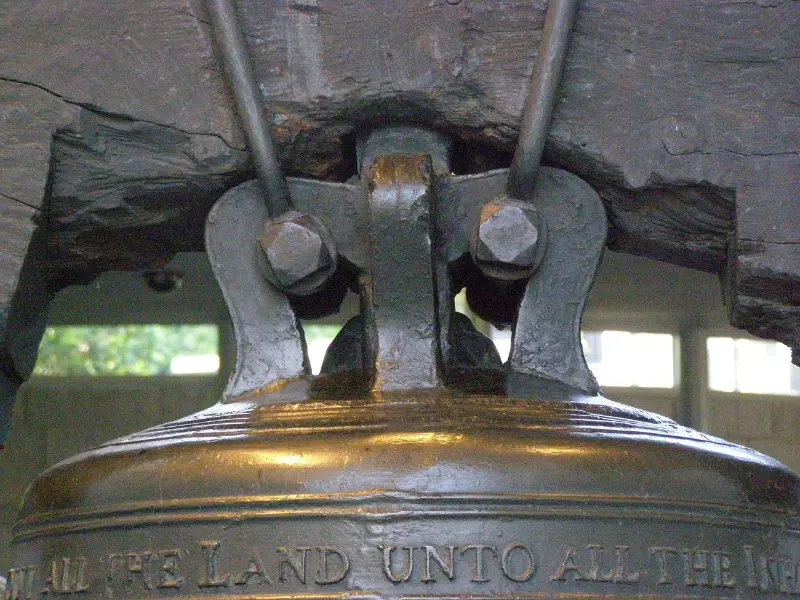
Independence National Historical Park holds the core of the story, including the Liberty Bell, Independence Hall and Congress Hall.
According to the National Park Service, timed entry tickets may be required for Independence Hall, while the Liberty Bell Center and most other park buildings need no ticket.
Check the park’s ticketing page before your trip, because rules change. Allow two to three hours, and arrive early, since lines build as the day goes on.
Nearby, Elfreth’s Alley and the old streets of Old City are lovely for an unhurried walk.
The Museum of the American Revolution is also close, and it suits visitors who want more depth after the main sights, though you should check its current hours and ticket details.
In addition, Reading Terminal Market is a short walk away, which makes a natural lunch break between landmarks. Secure any timed ticket first, then plan your day around it.
Museums And Cultural Hubs (Philadelphia Museum Of Art, Barnes Foundation)
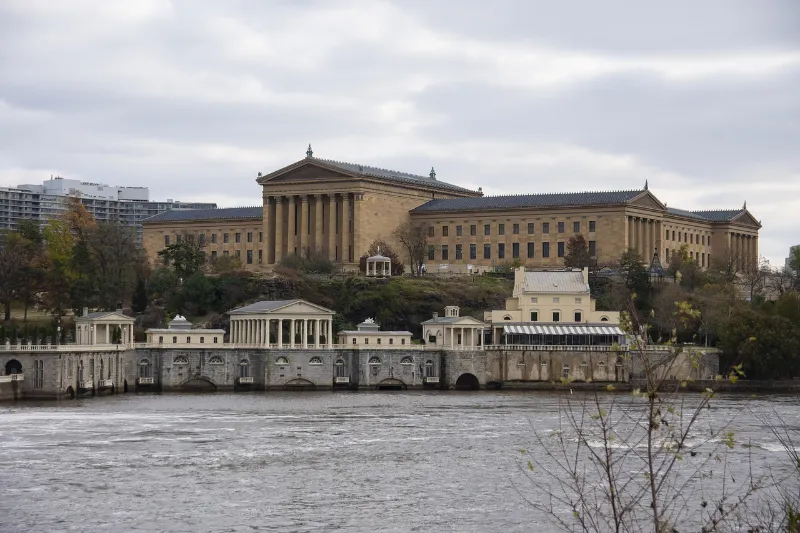
The Philadelphia Museum of Art sits at the end of the Benjamin Franklin Parkway and is famous for its steps, which many visitors climb for the skyline view.
Its official site lists current exhibitions, hours and ticket details. The Barnes Foundation, also on the Parkway, is known for its collection of Impressionist and early modern paintings.
Plan about two hours for each. If you only have time for one, choose the Art Museum for variety, or the Barnes if you love painting.
Besides, the Parkway is lined with fountains and sculpture, so the walk between museums is a pleasure.
Both museums can be busy on weekends and holidays, so a weekday morning is usually calmer. Besides, many visitors underestimate how large the Art Museum is, so pick a few galleries rather than trying to see every room.
If you travel with children, ask about family programs and check which exhibitions suit their age. Book timed tickets when the museum offers them, and check for free or discounted hours.

Parks And Scenic Walks (Benjamin Franklin Parkway, Schuylkill River Trail)
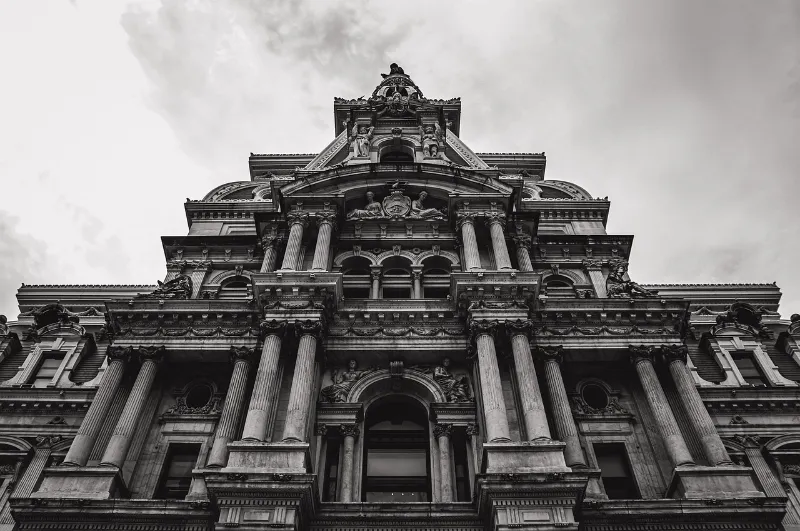
The Benjamin Franklin Parkway is a wide boulevard that links City Hall to the Art Museum. It is lovely for a stroll, with flags, plazas and public art.
Near the museum, you can reach the Schuylkill River and the trail along the water, which is popular with walkers, joggers and cyclists.
Boathouse Row, a line of historic rowing clubs by the river, is a favorite photo stop, especially around sunset. The trail is mostly flat, so it suits all fitness levels.
For quieter places beyond the classics, read my guide to the unique things to do in Philadelphia off the beaten path, which covers ten hidden gems.
On warm days, you can rent a bike or simply walk a short section, because the views change every few minutes.
Likewise, benches and green spaces along the way make it easy to rest, so the trail works as a gentle break between busier sights. Walk the river at sunset when the weather is clear.
Philadelphia Travel Guide To Getting Around: Logistics And Public Transit
Philadelphia is easy to navigate once you know the basics. The historic core is compact, and public transit covers the longer gaps. Most visitors do not need a car, and many find it more hassle than help.
Flying Into PHL Airport Vs. Taking Amtrak To 30th Street Station
Philadelphia International Airport, known as PHL, is the main airport. Regional rail trains on SEPTA’s Airport Line connect it to Center City, which is usually the easiest and cheapest way to reach your hotel.
Check the current schedule and fare on the official transit site, since both change.
Many visitors arrive by train instead. William H. Gray III 30th Street Station is a major Amtrak hub on the Northeast Corridor, which makes the city easy to reach from New York and Washington.
From the station, you can take a short ride or a rideshare to Center City or Old City.
Rideshares and taxis are available at both the airport and the station, and they are handy with heavy bags or late arrivals. Besides, a bike share system operates in parts of the city, though availability and prices change.
Finally, if you arrive by train, you can often walk or take transit straight to your hotel without needing a car at all. If you are coming from another East Coast city, the train is often more relaxing than flying.
Public Transit Options: SEPTA Subway, Trolleys And Buses
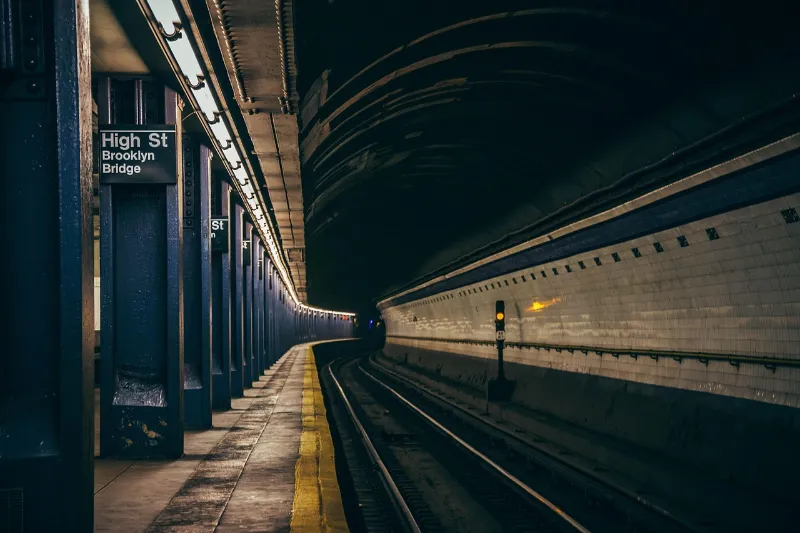
SEPTA runs the subway, trolleys, buses and regional rail. The Market-Frankford Line runs east and west, and the Broad Street Line runs north and south.
Trolleys and buses fill many gaps, and regional rail serves the airport and the suburbs.
Payment options change, so check SEPTA’s official page for fares and the best way to pay. In addition, download a transit map before you arrive, because signal can be weak underground.
Likewise, most central sights are close enough to walk between, so you may use transit mostly for longer trips. Use the subway for long hops, and walk for everything else.
Walking Vs. Driving And Parking Challenges
Walking is the best way to see the center of the city. Streets follow a clear grid, blocks are short, and you pass cafes, parks and shops along the way.
Wear comfortable shoes, because brick sidewalks and cobbles are hard on thin soles.
Driving is harder. Street parking is limited, garages can be expensive and some historic streets are narrow. If you do arrive by car, park once and leave it, or ask your hotel about parking rates before you book.
For a full plan without a car, see the itinerary below.
If you plan to drive in from another city, compare garage prices near your hotel with the cost of a train ticket and a short ride. In many cases, leaving the car at home saves money and stress, especially during busy weekends and events.
Likewise, hotels that offer parking often charge a nightly fee, so ask before you book. Rent a car only for day trips outside the city.

Philadelphia Travel Guide To Food: Cheesesteaks And Beyond
Food is a main reason to visit. The cheesesteak gets the headlines, but the city also has roast pork sandwiches, soft pretzels, tomato pie and a lively market scene.
Reading Terminal Market is a good starting point, because it lets everyone in your group pick something different.
For cheesesteaks, skip the tourist crowds and look for neighborhood spots with a short menu and a steady lunch line. My detailed guide to the best cheesesteak in Philadelphia covers four local favorites, ordering slang and bonus foods to try.
Beyond sandwiches, the Italian Market in South Philly is great for cheese, bread and pastries, and soft pretzels are a classic snack you can find across the city.
Also look for tomato pie in local bakeries, which is thick, sweet and often served at room temperature. Prices and hours vary, so check each shop before you go. Order a half sandwich at two places, and you can compare without overeating.
Where To Stay In Philly: Best Neighborhoods For Visitors
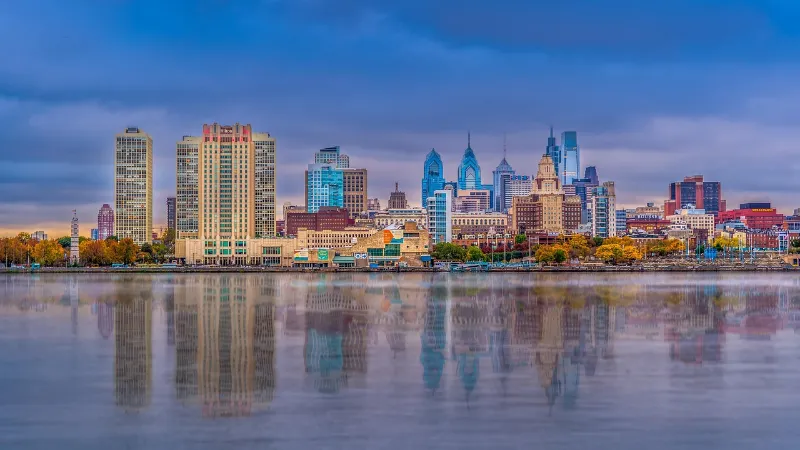
Choosing the right neighborhood saves time and money. Rittenhouse Square suits comfort and dining, Old City suits history and sightseeing, Midtown Village suits nightlife and food, and University City suits campus visitors and train travelers.
Hotel prices change with season and events, so check current rates before you book. Weekdays and winter dates are often cheaper than summer weekends, and a room near transit can save you rideshare money.
Meanwhile, University City and Old City often give better value than the most polished blocks of Center City.
For hotel ideas, price bands and safety notes for each area, read my full guide on where to stay in Philadelphia. To keep the whole trip affordable, see my smart ways to save money while traveling. Pick the neighborhood before the hotel.
Philadelphia Travel Guide Sample Plan: 3 Days Without A Car
Here is a simple outline you can adapt. Day 1 is for Old City, with the historic park, a market lunch and a walk past Elfreth’s Alley. Next, walk the Parkway to the Art Museum on Day 2, relax at Rittenhouse Square and enjoy dinner in Center City.
Finish on Day 3 by tasting your way through the Italian Market and visiting Philadelphia’s Magic Gardens on South Street.
That plan uses walking for most of the trip and a few short rides for the longer gaps. It also leaves room for rest, which matters on a city break.
For the full day by day version, with transit tips and food stops, read my car free Philadelphia itinerary. Do not overbook, because the best moments are often unplanned.
FAQ: Philadelphia Travel Guide
What should be in a Philadelphia travel guide for first timers?
Start with the best season, a rough number of days, the main sights and a plan for getting around. Then add where to eat and where to stay, so each part of the trip supports the rest.
Is Philadelphia worth visiting?
Yes. It has major history, strong museums, great food and a walkable center, and it works well as a standalone trip or as part of a wider East Coast route.
Do you need a car in Philadelphia?
No. Walking, transit and rideshares cover most visitor trips. A car is only useful for day trips outside the city.
Final Thought
A Philadelphia travel guide is most useful when it helps you decide, not just list sights. Pick your season, choose a base, book the one timed ticket that matters and leave room to wander. For more US trip ideas, read my guide to the best weekend getaways in the USA, and let the city surprise you.

Hi, I’m Ravi Teja, a freelancer and budget traveller. I’ve explored 20+ countries so far, and I pay for every trip with income from my side hustles. On Escape Cents, I share honest guides to places I’ve actually been, plus the money tips that keep my travels affordable.
Discover more from Escape Cents
Subscribe to get the latest posts sent to your email.