
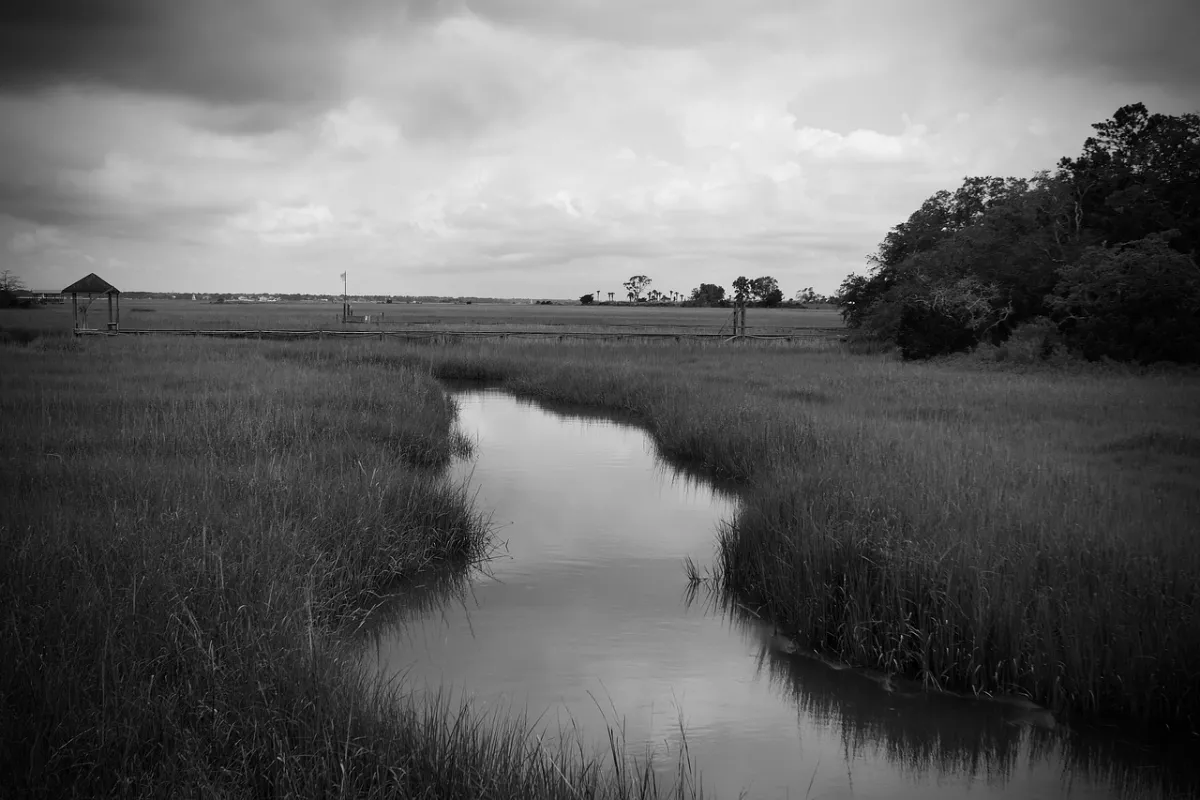
Charleston smells like pluff mud and jasmine at the same time, and nobody warns you about that before you land. I spent three days walking this city looking for the best things to do in Charleston, with a paper map I never actually opened.
Updated 2 November 2026. This guide draws on official venue pages and published travel coverage, not on every opening time. Hours, tour rules and closures change often, so check each place before you go. Some photos are illustrative.
Every street corner talked me into a different turn than the one I had planned. That is the real story of this city. Half of it is the landmarks everyone tells you to see, and the other half is the alley you find by accident because a shop owner told you to duck down it.
This guide covers both halves, organized by area, so you can build a real route instead of bouncing across the peninsula all day.
Things To Do In Charleston At A Glance
This table is the short version. Each stop gets a closer look below, so you can pick the moods that fit your trip.
| Stop | Area | Best for | Heads up |
|---|---|---|---|
| Historic house museums | Downtown | Architecture lovers | Closed on major holidays |
| Magnolia, Middleton Place, Boone Hall, Drayton Hall | Ashley River and Mount Pleasant | Gardens and history | Need a car or tour |
| The Battery and White Point Garden | Peninsula tip | Free sunset walks | Busy at golden hour |
| Fort Sumter | Charleston Harbor | Civil War history | Boat only |
| Patriots Point | Mount Pleasant | Families | Closed Thanksgiving Day |
| Folly Beach | Folly Island | A beach day | Needs its own half day |
| Rainbow Row and the alleys | Old City | Photos | Respect residents |
| City Market and King Street | Downtown | Shopping | Touristy but fun |
| Angel Oak | Johns Island | Quiet time | Check current rules |
One honest note: you cannot do everything in one trip. Pick one plantation, one museum and one long walk, and the rest of your time will feel like a vacation.
Why Charleston Doesn’t Feel Like The Rest Of The South
Most Southern cities give you their history in one dose, usually downtown and usually in a single afternoon. Charleston doesn’t work that way.
Founded in 1670, it is the oldest city in South Carolina. That age shows up in layers instead of one neat package.
A single block can hold a tavern from the 1700s, a Civil War monument and a shop selling sweetgrass baskets woven the same way for generations.
Nothing here feels staged for tourists, even the parts built for them.
Therefore, that layered feeling is exactly why one day isn’t enough. So, give yourself at least two full days, ideally three. Slow down, and the city starts talking back.
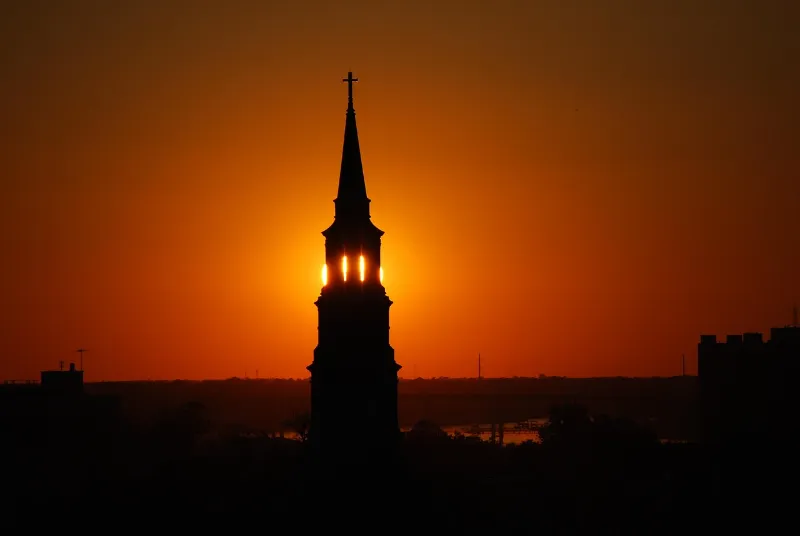
Historic Landmarks: Things To Do In Charleston Worth A Whole Morning
The Pink House on Chalmers Street was the oldest building I stood inside all trip. It dates to around 1712, and local lore says it began as a tavern that pirates drank in.
It is tiny, tilted slightly from age and painted the exact shade of pink you would expect from the name.
A few blocks over, Meeting and Broad Streets cross at what locals call the Four Corners of Law. St. Michael’s Episcopal Church, City Hall, the county courthouse and the federal courthouse all ring that single intersection.
Standing there, you are looking at several eras of civic life at once.
The Powder Magazine on Cumberland Street is often described as the oldest standing public building in the state, dating to the early 1700s.
The visit is short, but it is a genuinely strange little building. Check its current hours before you go.
If you only have time for one historic house, make it the Nathaniel Russell House at 51 Meeting Street. The curved staircase inside is the kind of detail photos never quite capture.
The Historic Charleston Foundation runs it along with the Aiken-Rhett House at 48 Elizabeth Street, and it lists both as open Tuesday through Sunday from 10 am to 4 pm, with shorter hours on Mondays.
Both houses close on Thanksgiving Day, Christmas Eve and Christmas Day.
The Aiken-Rhett House, built in 1820, is often described as one of the best preserved townhouse complexes in the country.
It pairs well with the Russell House because the two take very different approaches to preservation. Book both on the same day, and the contrast will stick with you.
Plantations And Gardens Outside The City
This part of a Charleston trip deserves more thought than a quick photo stop. These sites carry real weight alongside their beauty, so plan time to listen as well as look.
Magnolia Plantation and Gardens traces its roots to the late 1600s, and its gardens opened to visitors in 1871. The site calls itself widely recognized as America’s oldest public garden.
It also runs a From Slavery to Freedom tour through preserved cabins, which puts real context around the grounds instead of letting the flowers do all the talking.
Middleton Place sits along the Ashley River and is a National Historic Landmark. It bills itself as America’s oldest landscaped gardens, and a slow half day here is easy to spend.
Opening days change by season, so check before you drive out.
Boone Hall Plantation in Mount Pleasant says it was founded in 1681. Its Avenue of Oaks was planted in 1743, and the live oaks took about two centuries to meet overhead.
The site offers a Gullah culture presentation and a self-guided exhibit in nine original cabins, which add necessary depth to the visit.
Drayton Hall takes a different approach. The house dates to around 1738 and is described as the first fully executed Palladian building in the country.
It is preserved instead of restored, which makes it an odd, memorable way to meet a plantation site. The site is open Wednesday through Monday and closed on Tuesdays.
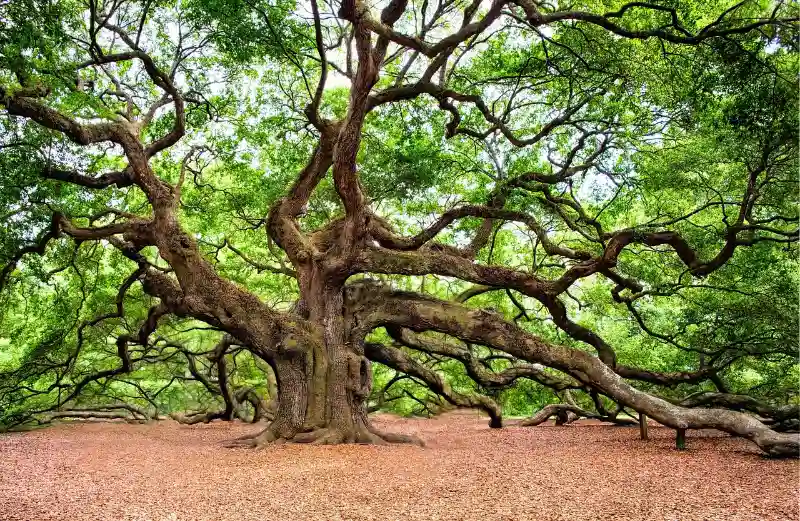
For something quieter than any of these, drive out to Johns Island for the Angel Oak. It is a live oak estimated to be several centuries old.
Check the city’s current visitor information for hours and rules before you go, because they change. Pick one plantation and give it a slow visit, instead of racing through three.
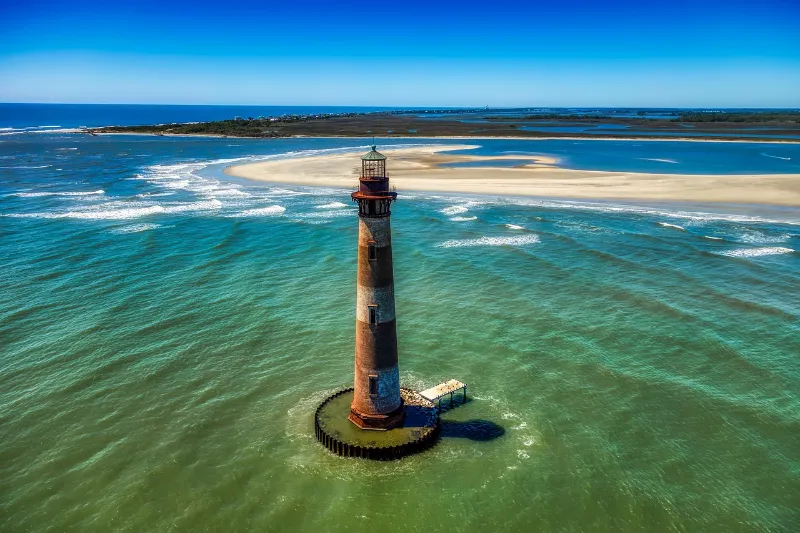
Waterfront Walks And The Beach Everyone Forgets
Joe Riley Waterfront Park sits right along Charleston Harbor, and it is where locals go to unwind. The Pineapple Fountain draws kids into the spray on hot afternoons, and the park is one of the best sunset spots on the peninsula.
From there, walk The Battery, the old defensive seawall where the Ashley and Cooper Rivers meet. Grand antebellum homes face the water along the street. The views alone make the walk worth it, even without spending a dollar.
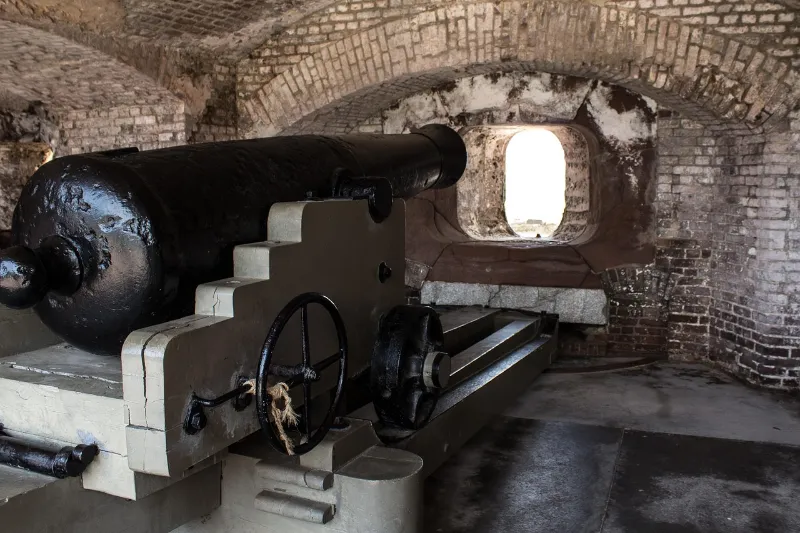
Next, White Point Garden sits right across from The Battery. It is a small park with Civil War era cannons and a scattering of monuments.
It is easy to underestimate when you walk past, but it is worth ten minutes of your time.
Here is the part most first-time visitors skip: Folly Beach, roughly 25 minutes outside downtown depending on traffic.
It is a real six mile beach with a pier stretching about 1,000 feet into the water. Surfing, paddleboarding and fishing are all on offer if you want a beach day layered into your city trip. Give Folly its own half day, because squeezing it in defeats the point.
Museums And The Weight Of Charleston’s Civil War History
The Old Slave Mart Museum at 6 Chalmers Street sits inside a building that was part of the slave trade. The City of Charleston calls it possibly the only known building used as a slave auction site in South Carolina still standing.
It first opened as a museum in 1938, and the city reopened it as a historic site and museum in 2007. It is a heavy visit, and it should be.
Fort Sumter is where the first shots of the Civil War were fired. The National Park Service says the fort is only accessible by the concession operated tour boat, and tickets can be bought in advance.
Plan for at least half a day between the boat trip and the site itself. It is one of the most significant stops in the region.
Patriots Point Naval and Maritime Museum in Mount Pleasant is home to the USS Yorktown and the USS Laffey, plus the Vietnam Experience and the Medal of Honor Museum.
The museum lists daily hours of 10 a.m. to 5 p.m., with the ticket window closing at 4 p.m. It is closed on Thanksgiving Day, 26 November 2026. Arrive before lunch, because the ships take longer than you expect.
Markets And Streets: Slower Things To Do In Charleston For An Afternoon
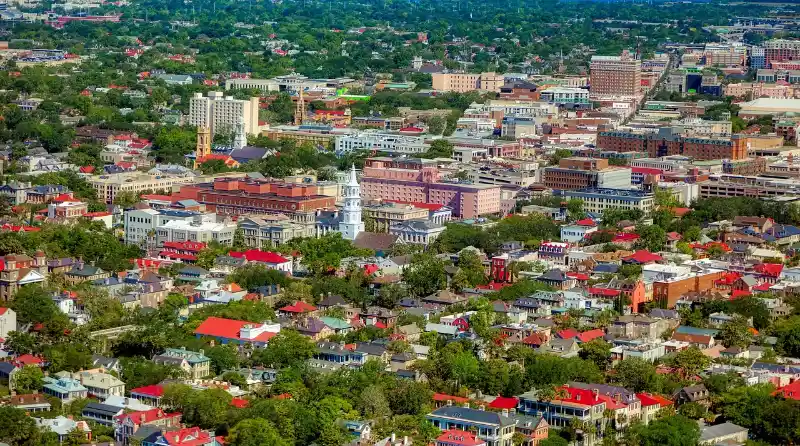
The Historic City Market dates back to the late 1700s and spans several blocks of stalls. You will find sweetgrass baskets, Lowcountry food and local crafts throughout.
It is touristy in the way that old, genuinely useful markets sometimes are, and I still think it is worth an hour of browsing.
Meanwhile, King Street splits into Upper, Middle and Lower sections, each with a different personality. Upper King leans younger and trendier, while Lower King leans upscale and historic.
Walking the full length is a solid afternoon on its own, especially with a coffee stop along the way.
If your trip lines up with a Saturday in the warmer months, the Charleston Farmers Market usually sets up at Marion Square with live music and produce from Lowcountry farms.
Season dates and hours vary, so confirm them first. Walk King Street from top to bottom, and stop wherever the smell is best.
The Photogenic Alleys Nobody Puts On Their List Of Things To Do In Charleston
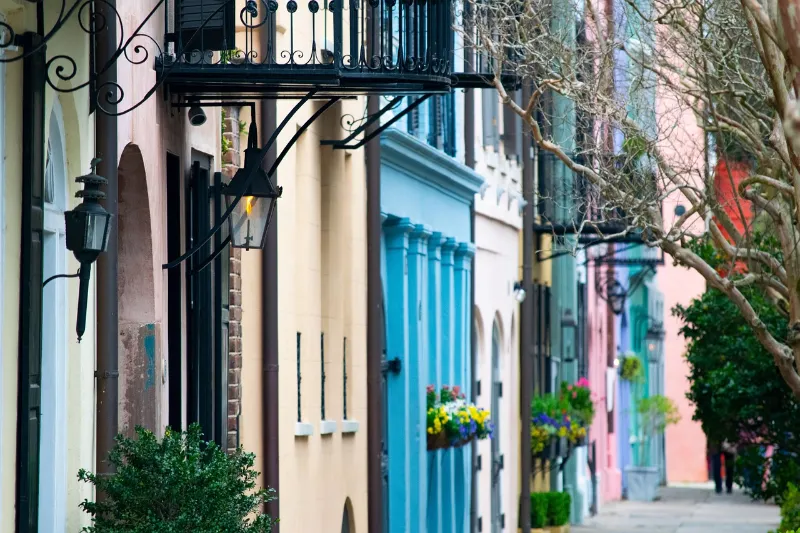
Rainbow Row gets all the attention, and it deserves some of it. Thirteen pastel homes line East Bay Street. The pink and pastel look is often credited to a restoration in the 1930s, not the original 18th century paint job.
It is still one of the most photographed stretches in the city.
Meanwhile, what most guides skip are the smaller alleys just off the main streets. Longitude Lane is a narrow paved passage that feels like walking through someone’s private garden.
Stolls Alley, a one block stretch of red brick near The Battery, backs directly onto residential yards. Keep your voice down and your camera respectful, because people live here.
Philadelphia Alley is tucked behind St. Philip’s Church.
Its nickname, Duel Alley, comes from its dueling lore. It is one block long and easy to miss, which is exactly the kind of find that makes wandering without a plan worth it.
Duck down every alley that looks open, but never wander into a private driveway.
Food, Ghost Tours And Evening Plans
Charleston earns its food reputation honestly. Shrimp and grits, fried green tomatoes, hushpuppies and slow smoked barbecue show up on nearly every menu downtown.
A guided food tour is worth it here, since it gives you the story behind what you are eating instead of just a list of restaurant names.
Once the sun goes down, the city leans hard into its haunted reputation. Ghost tours often stop at The Pink House and other old taverns, and they work real history into the scarier stories.
If you would rather skip the ghosts, a standard evening walking tour covers the same ground with a straighter historical angle. Book tours a day ahead in busy months, because the best guides fill up.
Tips For Planning Your Own Trip
A few practical notes make these things to do in Charleston easier to fit into a short trip. First, book plantation and museum tickets a day ahead during spring and early summer.
The Piccolo Spoleto Festival usually brings noticeably bigger crowds in late May and June.
Also, wear shoes you do not mind ruining on cobblestones. The older streets are beautiful and genuinely uneven, and heels or brand new sneakers will not thank you by the end of day one.
In addition, pace your outdoor time around the heat. Summer humidity gets heavy by mid-morning, so plan plantation visits and Battery walks for early hours. Save museums and shopping streets for the hottest part of the afternoon.
Finally, rent a car if you want to see more than one plantation. They are spread out along the Ashley River, and walking or relying on downtown transit stops being realistic once you leave the peninsula.
Traveling over a holiday? Several sites close, including the historic houses on Thanksgiving Day. For more ideas on keeping a trip affordable, see my smart ways to save money while traveling.
FAQ: Things To Do In Charleston
What are the best things to do in Charleston for first timers?
Walk the historic district, see Rainbow Row, visit one plantation and take the boat to Fort Sumter. Add Folly Beach if you have a third day.
How many days do you need in Charleston?
Two full days covers the historic downtown at a reasonable pace. Add a third day if you want a plantation visit and Folly Beach without rushing either one.
Is Charleston walkable?
The historic downtown is very walkable, and it is the best way to see the alleys and smaller landmarks. Plantations and Folly Beach require a car or a tour shuttle, since they sit well outside the peninsula.
Is Charleston expensive to visit?
Charleston runs mid-range for a US city break. Admission at plantations and museums adds up quickly if you visit several, so picking one or two keeps costs reasonable without missing the highlights.
Final Thought
Charleston rewards slowing down more than almost anywhere else I have walked. The landmarks are worth seeing, but the best things to do in Charleston are just as often the ones nobody put on a list for you: an alley you duck into on a whim, a bench at White Point Garden where you sit longer than planned, a market stall where the vendor tells you more than any plaque could.
Build your route around the big names, then leave room for the city to talk you into a detour. If you are planning a longer road trip, my guide to the best weekend getaways in the USA can help.

Hi, I’m Ravi Teja, a freelancer and budget traveller. I’ve explored 20+ countries so far, and I pay for every trip with income from my side hustles. On Escape Cents, I share honest guides to places I’ve actually been, plus the money tips that keep my travels affordable.
Discover more from Escape Cents
Subscribe to get the latest posts sent to your email.