
The first time I priced a Galapagos cruise, I closed the tab in under a minute, because the headline fares looked like a car payment and the extras were not even listed yet. It took a few evenings of reading before I understood that the number on the brochure and the number you actually pay are two different things.
Updated 13 October 2026. This guide draws on published prices and travel coverage, mostly from operators that sell these trips, not on a cruise I have taken. Prices, park fees and rules change, so confirm current figures with an operator and official sources before you book. Some photos are illustrative.
A Galapagos cruise will never be cheap, but it can be cheaper than most people assume, and the biggest savings come from timing and ship choice, not from skipping what makes the trip worth it.
Here is how the costs break down and where you can realistically save.
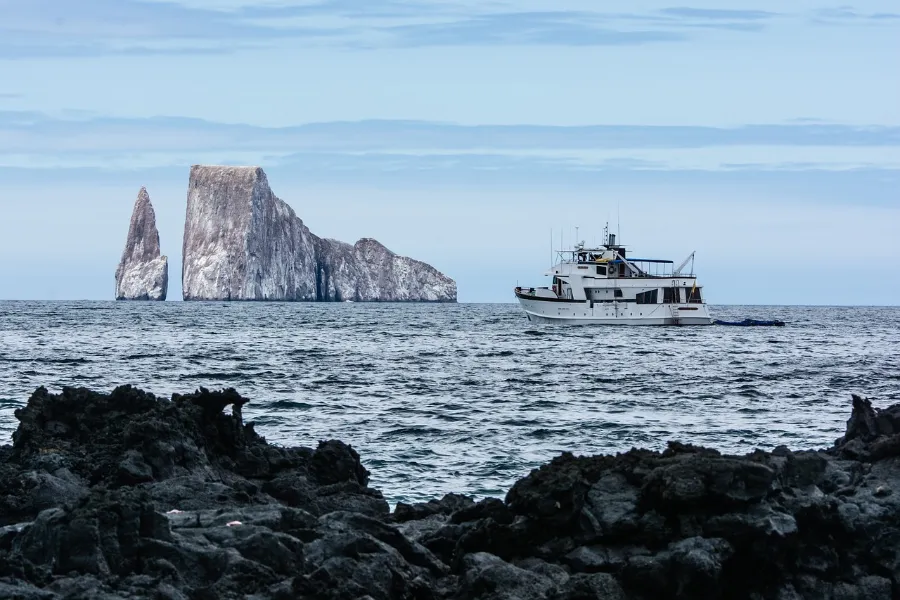
Galapagos Cruise Cost At A Glance
This table is the short version. The ranges come from one operator’s 2026 estimates for an 8 day trip per person, and they include flights to the islands, park fees and tips. Treat them as a rough guide, not a quote.
| Ship class | Rough all-in cost per person | What to expect |
|---|---|---|
| Budget (small catamaran or motorsailer) | About $3,000 to $4,500 | Simple cabins, fewer extras |
| Mid-range (premium catamaran or yacht) | About $4,500 to $7,500 | More comfort and space |
| Luxury (suites, balconies) | About $7,500 to $12,000 and up | Larger cabins, more services |
The honest note: the source’s own numbers overlap between tiers, so a promotional budget fare can look like a mid-range price.
Always compare the same trip length and check what each fare includes.
If you want the simplest way to keep costs down, choose a budget catamaran, travel outside the peak months and book early.
Those three decisions do more than any trick.
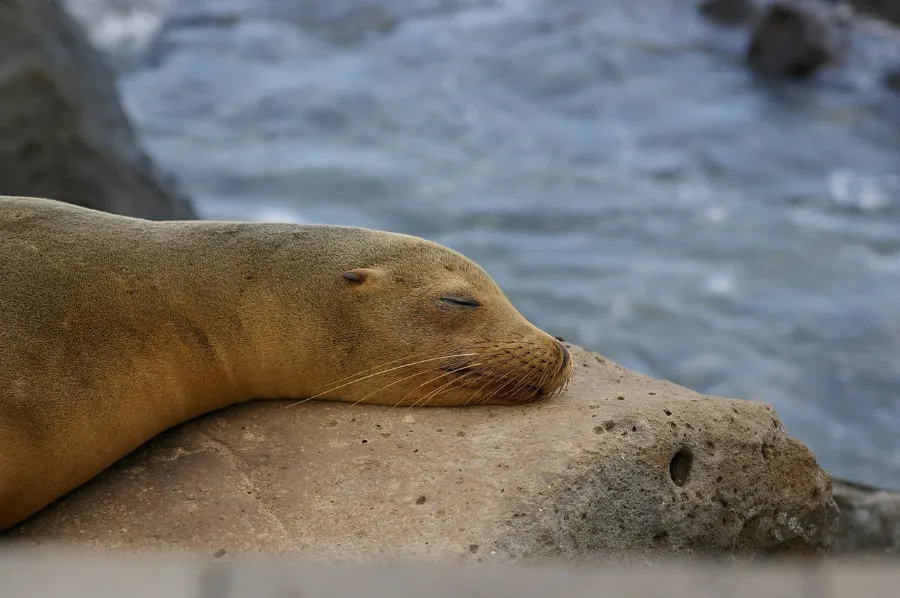
How Much A Galapagos Cruise Really Costs
The cruise fare is only the first line of the bill. Several costs sit outside it, and they add up faster than you expect.
On most itineraries, the extras look like this:
Park entry fee. Adults generally pay $200 in cash on arrival, and children pay less. The fee rose after many years at a lower price, so older blog posts often quote the old figure.
Transit control card. This costs about $20 per person, and you usually pay it at the mainland airport before check-in.
Flights to the islands. Operators often quote roughly $250 to $600 return for domestic flights from Quito or Guayaquil. Some cruises include them, so check before you book separately.
Tips for the crew and guide. Operators suggest about $200 to $400 per person for an 8 day trip.
Hotel nights on the mainland. Many travelers need a night or two in Quito or Guayaquil, which can add a few hundred dollars.
Insurance and drinks. Travel insurance and onboard drinks vary a lot, so budget a cushion.
When you add these up, a cruise that looks like $3,500 can end up closer to $4,500 or more. That gap is the reason so many first-time planners feel caught out.
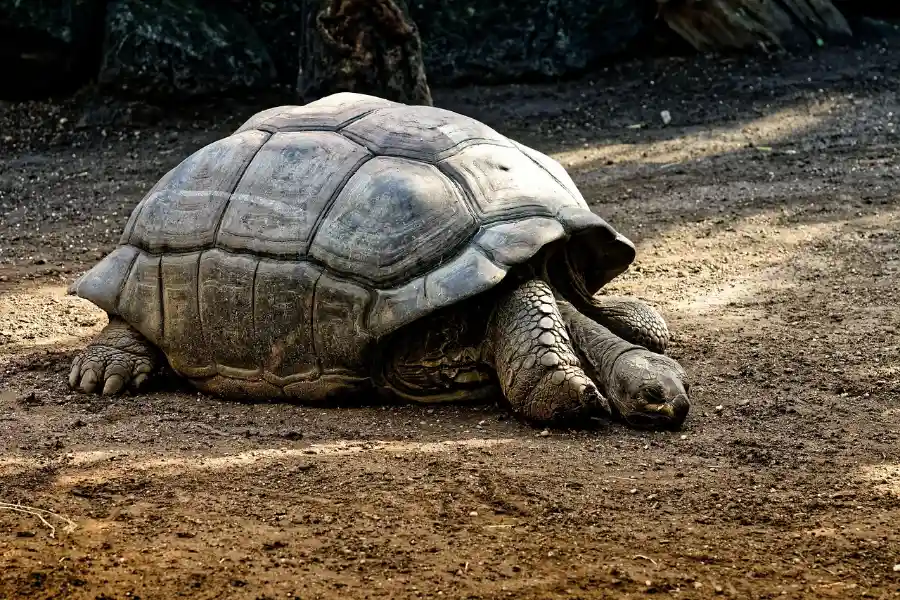
How To Save On A Cruise To The Galapagos
You cannot haggle the park fee, but you can cut the biggest line, which is the cruise fare itself. These are the savings that operators and travel writers mention most often.
First, travel in the shoulder months. One operator says September to November can run about 15 to 25 percent below the peak months. Peak demand is mid June to August and mid December to mid January.
Second, book early. The same source cites early-booking discounts of roughly 8 to 15 percent when you commit nine to twelve months ahead.
Third, consider last-minute deals. Operators sometimes mention discounts of up to about 40 percent for cabins inside 90 days, though availability is unpredictable. This works best if your dates are flexible and you live close enough to fly out quickly.
Fourth, pick a smaller budget vessel. Choosing a budget catamaran over a luxury yacht can save in the region of $1,500 to $3,000 for the same length of trip.
Fifth, ask about single supplements.
Solo travelers sometimes find no-supplement departures in quieter months, which can save well over a thousand dollars.
Finally, book the flights that the cruise operator recommends or includes. A cheaper separate fare can cause missed transfers, which costs more than it saves.

Is A Galapagos Cruise Worth It Versus Island Hopping
Many budget travelers ask whether to skip the ship and stay on land. The honest answer is that it depends on what you want to see.
With land-based island hopping, you sleep in hotels on islands such as Santa Cruz, San Cristobal and Isabela. You take day tours and small ferries, and you decide your plans day by day.
It gives you more time ashore and more flexibility, and it can be cheaper if you choose simple hotels and local meals.
A Galapagos cruise, by contrast, reaches remote islands that land-based travelers generally cannot. Rainforest Cruises, for example, notes that ships alone can reach some sites, such as Fernandina.
Ships also tend to travel overnight, so you lose less daylight on the move.
There are trade-offs on both sides. Cruises lock you into set dates and a fixed itinerary, and smaller boats can feel the swell more. Land trips mean more transfers, more packing and more planning, plus some sites you will miss.
A fair rule of thumb: if seeing the widest range of islands matters most, a Galapagos cruise is the better fit.
If you care more about cost and flexibility, island hopping is worth a close look.
The price gap may be smaller than you think once you add up hotels, tours and ferries, so compare real quotes for your own dates.
Best Time For A Galapagos Cruise
The islands have two main seasons, and each suits different priorities.
The warm, wet season runs roughly December to May. The sea is calmer and warmer, and snorkeling visibility tends to be better.
Giant tortoise eggs hatch and sea turtles nest during these months.
The cool, dry season runs roughly June to November. The water is cooler and richer in nutrients, which draws more marine life, and many writers rate it the better season for diving and birdwatching.
Skies can be cloudier because of the garua mist.
For value, the shoulder months tend to work best. Writers often call May, June and September to early November quieter, with better cabin availability and lower prices than the peak holidays.
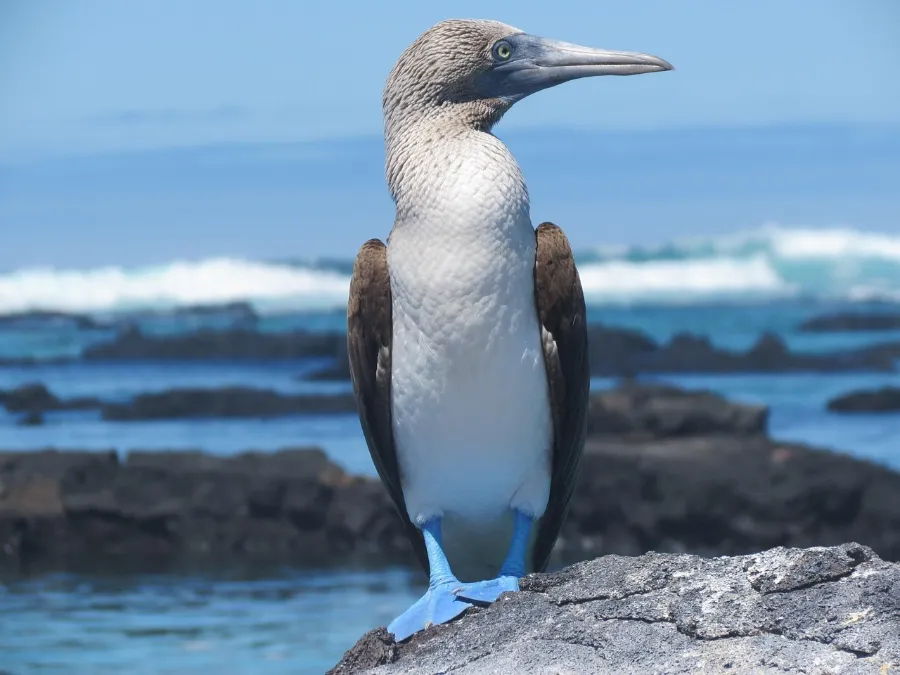
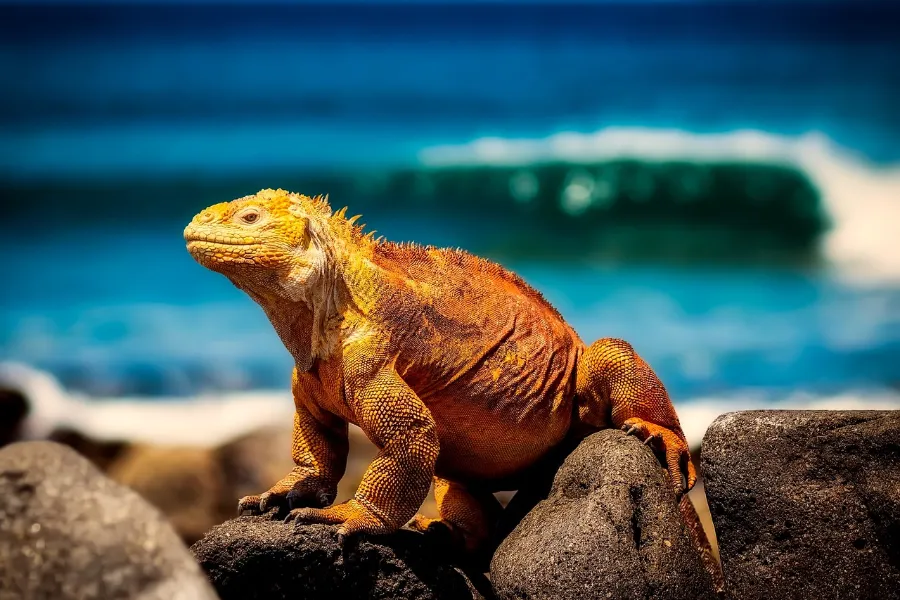
Whenever you go, remember that wildlife is spectacular year round. Sea lions, marine iguanas, blue-footed boobies and giant tortoises live on the islands in every season, so you are not choosing between a good trip and a bad one.
Who Should Book A Cruise To The Galapagos
A ship works best for people who want to see as many islands as possible in a short time. It also suits travelers who dislike planning, because the operator arranges the route, meals and guides for you.
It is a weaker fit if you get seasick easily, want to wander freely, or prefer to eat local food in town.
In those cases, a land-based trip may give you more of what you actually enjoy, and it may be cheaper too.
If you are traveling with children, check the minimum age on the ship.
Some small vessels have age rules, and the park fee for children is lower than the adult fee.
What A Typical Day Looks Like
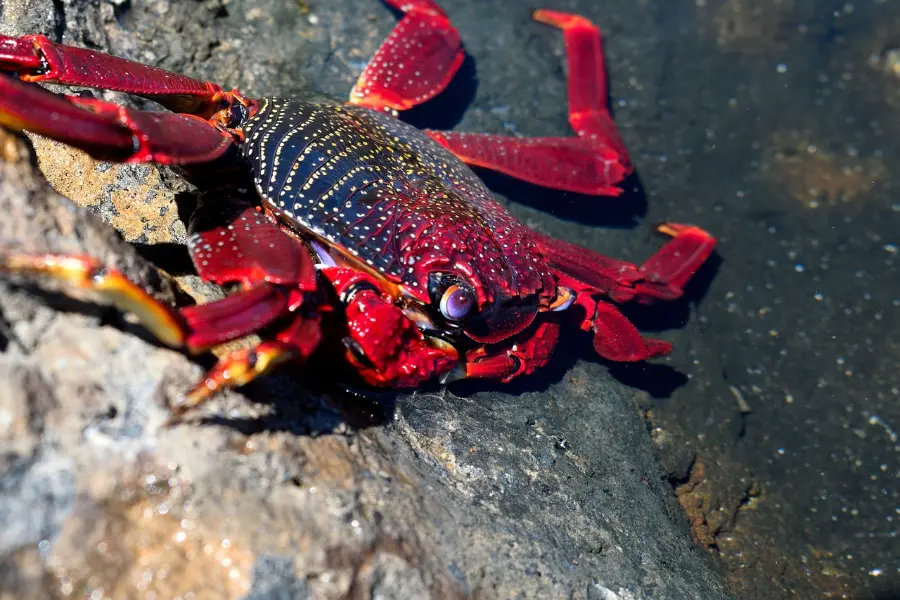
Most itineraries follow a similar rhythm. Mornings usually start with a guided landing on an island, where you walk among sea lions, birds and iguanas with a naturalist guide.
After lunch, there is often a second outing, such as snorkeling or a panga ride along the coast.
In the evening, the ship usually moves to the next island while you eat and rest.
That is why a Galapagos cruise can cover so much ground without wasting daylight.
The pace is active but not extreme.
Most landings are on short, mostly flat trails, though a few involve wet landings or uneven rocks, so sturdy sandals and a little balance help.
Practical Tips Before You Book
Pack light, because cabins are small and luggage rules on the domestic flights can be strict.
Bring reef-safe sunscreen, a hat and a refillable bottle, since the islands discourage single-use plastics.
Bring a small amount of cash for tips and the park fee, and keep your passport and transit card handy at the airport.
If you are prone to motion sickness, ask about the ship size and cabin position before you pay a deposit, and take remedies before you sail.
Finally, read recent reviews for the exact vessel and departure date.
Ship condition and service can change between seasons, and a recent traveler’s report is more useful than a glossy brochure.
For a cruise to the Galapagos, that single habit can save you from a costly disappointment.
What Is Included In The Price
Understanding what the fare covers helps you compare ships fairly. Most cruises include your cabin, all meals, guided excursions and snorkeling gear, plus transfers by small boat.
Things that are usually not included are your flights to the islands, the park fee, the transit card, tips, drinks and extras.
Some operators bundle a few of these, which can make a higher fare better value than it looks.
Check these points on any quote before you compare prices:
Trip length. Four, five and eight day itineraries are very different products, so compare cost per day, not just the total.
Cabin type. Lower-deck cabins are cheaper but can be noisier and more affected by motion.
Itinerary. Different routes visit different islands, so cheaper does not always mean equal.
Group size. Smaller ships feel more personal but often cost more per person.
Common Mistakes That Cost Money
A few avoidable errors turn a good deal into a poor one. Booking separate flights without leaving a buffer is the biggest, because a delay can mean missing the cruise start.
Forgetting the cash needed for the park fee is another, since you normally pay it in cash on arrival.
It is also easy to underestimate the mainland costs.
Hotel nights, meals and transfers before and after the trip are real expenses, so build them into your budget from the start.
Finally, be careful with any Galapagos cruise deal that looks too good.
Compare the ship class, trip length and inclusions, and read recent traveler reviews before paying a deposit.
A Simple Way To Plan Your Budget
Start with the Galapagos cruise fare you are comfortable with, then add the fixed extras: the park fee, the transit card, flights if they are not included, and a tip allowance.
Add a realistic amount for the mainland nights and a cushion for drinks and insurance.
If the total is higher than you hoped, change one variable at a time. Move your dates into a shoulder month, shorten the trip, or choose a smaller budget vessel.
If it is still too high, look at a land-based trip for comparison, or read our guide to 18 places to travel on a budget for cheaper ideas first.
FAQ: Planning Your Galapagos Trip
How much does a cruise to the Galapagos cost per person?
Operators quote roughly $3,000 to $4,500 all in for a budget 8 day trip, more for mid-range and luxury ships. Always add flights, fees and tips if they are not included, and confirm current prices before booking.
What is the cheapest month for a cruise to the Galapagos?
Operators often price shoulder months such as September to November below the peak summer and winter holiday periods. Prices vary by ship, so compare quotes for your own dates.
Is it Galapagos or Galpagos?
The correct spelling is Galapagos, with the second “a”. Some people search the shortened spelling, and search engines usually correct it, but you will find better results with the full name.
Do I need to pay the park fee on top of the cruise price?
Often yes. The national park fee and the transit card are usually separate from the cruise fare, so check what your quote includes.
Final Thought
A Galapagos cruise is a big purchase, and the best way to handle it is to price the whole trip, not just the fare. Compare ships on the same terms, choose your dates with care and add up every extra before you commit. If the numbers still work, you will arrive knowing exactly what you are paying for.
Discover more from Escape Cents
Subscribe to get the latest posts sent to your email.