
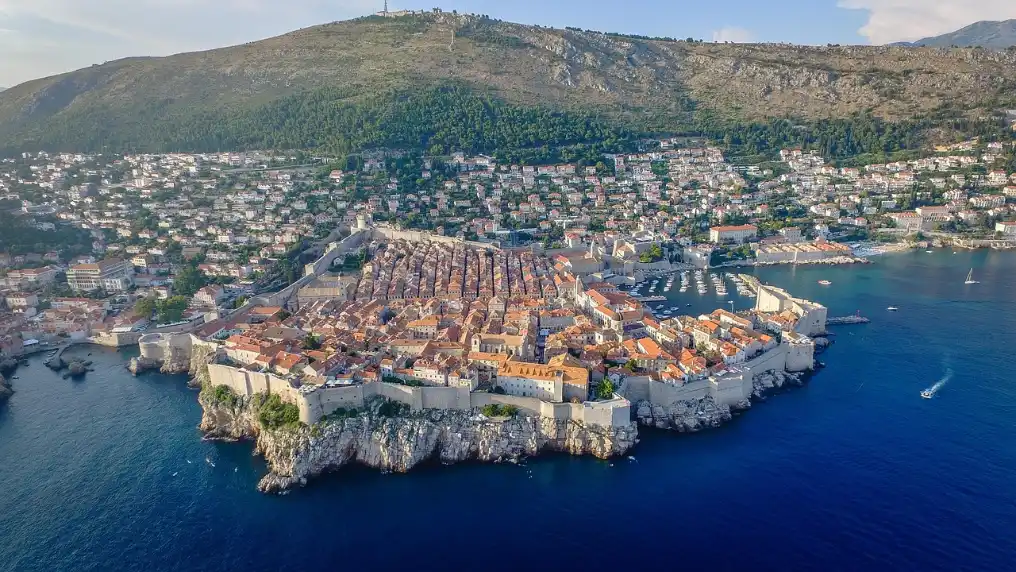
I once stood in Split bus station with a rucksack, a half eaten pastry and three different answers from three different people about how long the trip would take. The honest answer is that Split to Dubrovnik can take three hours or six, and the difference comes down to one decision you make before you leave.
Updated 17 October 2026. This guide draws on published transport pages and travel coverage, not on a personal trip on every route. Prices, timetables and seasons change, so check them before you book. Some photos are illustrative.
The two cities are about 230 km apart along the Dalmatian Coast, and the journey is one of the most scenic in Croatia. Here are six ways to do it, with a plain note on who each one suits and where it falls short.
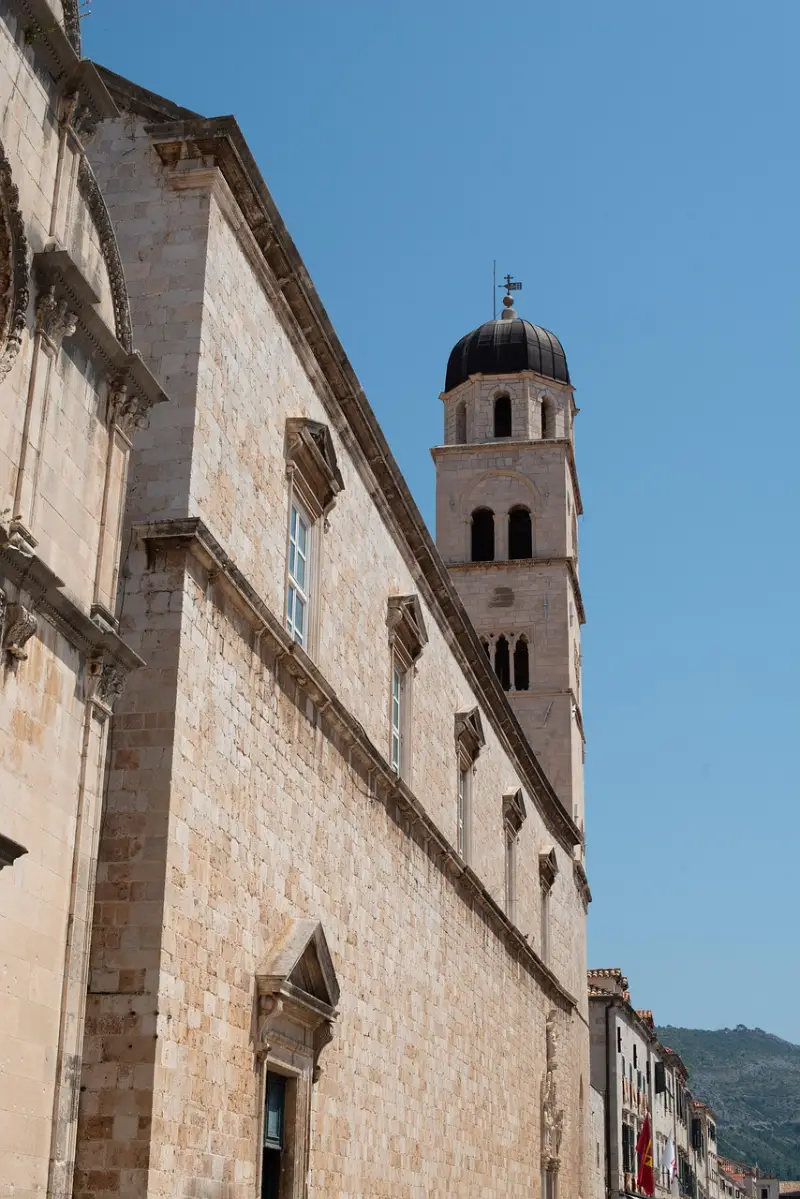
Split Dubrovnik Travel Options At A Glance
This table is the short version. The sections after it explain each route, so you can pick the one that fits your budget and your patience.
| Option | Approx. cost | Approx. time | Best for |
|---|---|---|---|
| Bus | From about €15 | 4 to 5 hours | Budget travelers |
| Ferry | About €50 | 4.5 to 6 hours | Island stops and views |
| Rental car | From about €40 a day | 3 to 4 hours | Flexibility, side trips |
| Private transfer | Often €150 to €300 or more | About 3 hours | Comfort, heavy bags |
| Guided tour | Roughly €100 or more | Full day | Sightseeing with no driving |
| Flight | Often €100 or more | About 3 hours door to door | Saving time, in season |
The honest note: these figures come from published guides, not official price lists. They change by season and by group size, so treat them as a way to compare routes and not as a quote.
If you want the simplest version of Split to Dubrovnik, take the morning bus, sit on the right side for the sea views and book a table for dinner when you arrive.
Why Split To Dubrovnik Works As One Trip
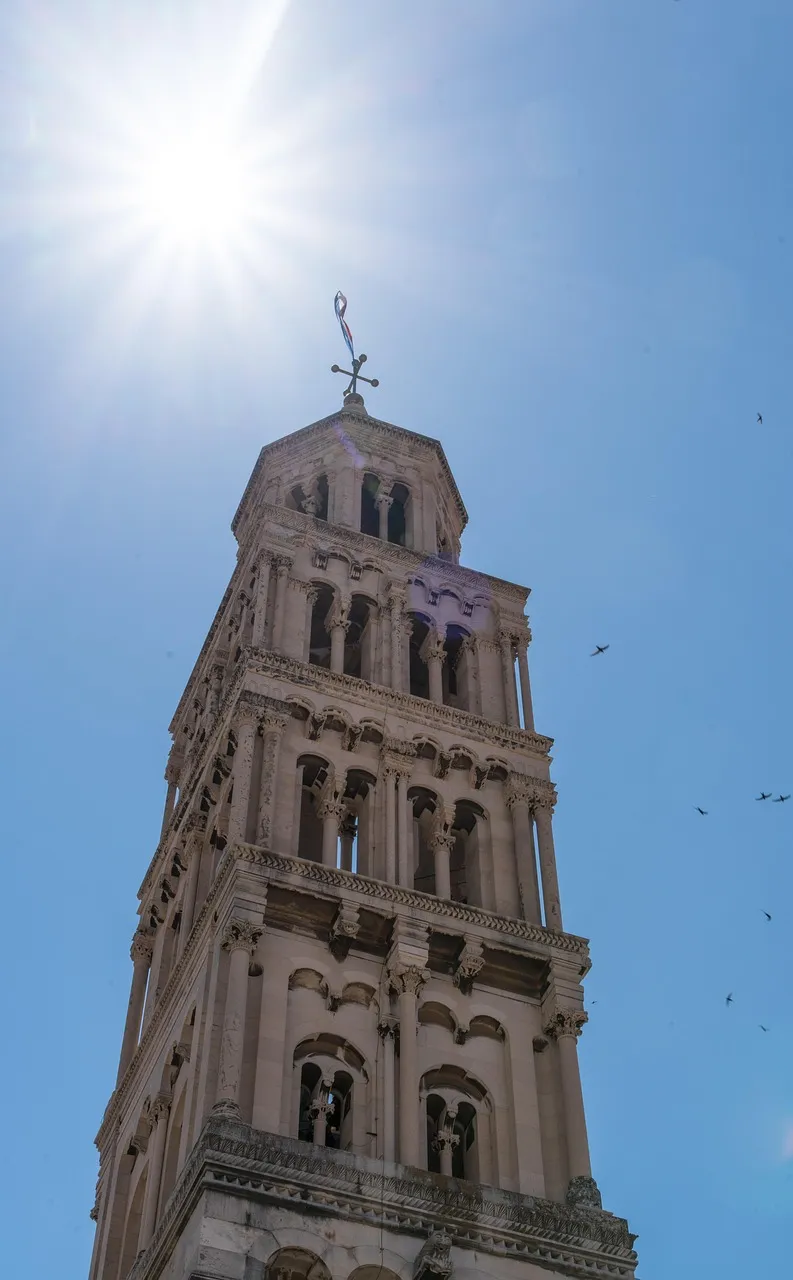
Split is the livelier city. It grows around Diocletian’s Palace, a UNESCO listed Roman complex, and the Riva waterfront is where the evening crowd gathers.
Dubrovnik is the postcard, with a medieval Old Town ringed by stone walls and also listed by UNESCO.
Most travelers do both, because the contrast is the point. Split suits a busy, city style stay with good food and nightlife.
Dubrovnik suits a romantic, historic stay, though it is also the more crowded and expensive of the two.
Give Split at least a night before you leave, so you can see the palace without a bus ticket burning a hole in your pocket.
Give Dubrovnik two, because the Old Town is at its best early in the morning and after the day trippers have left.
If you are still choosing a base, my guide to the best areas, hotels and apartments to stay in Dubrovnik walks through each neighborhood.
Cruise ships can fill the lanes around midday in summer, so check the arrivals before you pick your sightseeing hours.
Cheap Ways To Reach Dubrovnik From Split
If you are watching your budget, these are the two options to compare first. One is the cheapest and one is the prettiest.
Split To Dubrovnik By Bus
The bus is the cheapest and most direct choice. Operators such as Globtour and FlixBus run daily services, and fares are reported from about €15.
Book ahead in busy months, because buses can fill up even outside the summer peak.
Split’s bus station sits beside the ferry port, about a ten minute walk from the Old Town. The ride takes roughly four hours and can run longer in July and August when traffic builds.
You arrive at Dubrovnik’s Gruž station, around 3 km from the Old Town, so plan on a local bus or a short taxi ride for the last stretch.
Keep a few euros in cash, because some Balkan bus companies charge a small fee for stowing luggage. It suits solo travelers and anyone on a tight budget.
The honest downside is that it can be crowded and slow in summer.
Split To Dubrovnik By Ferry
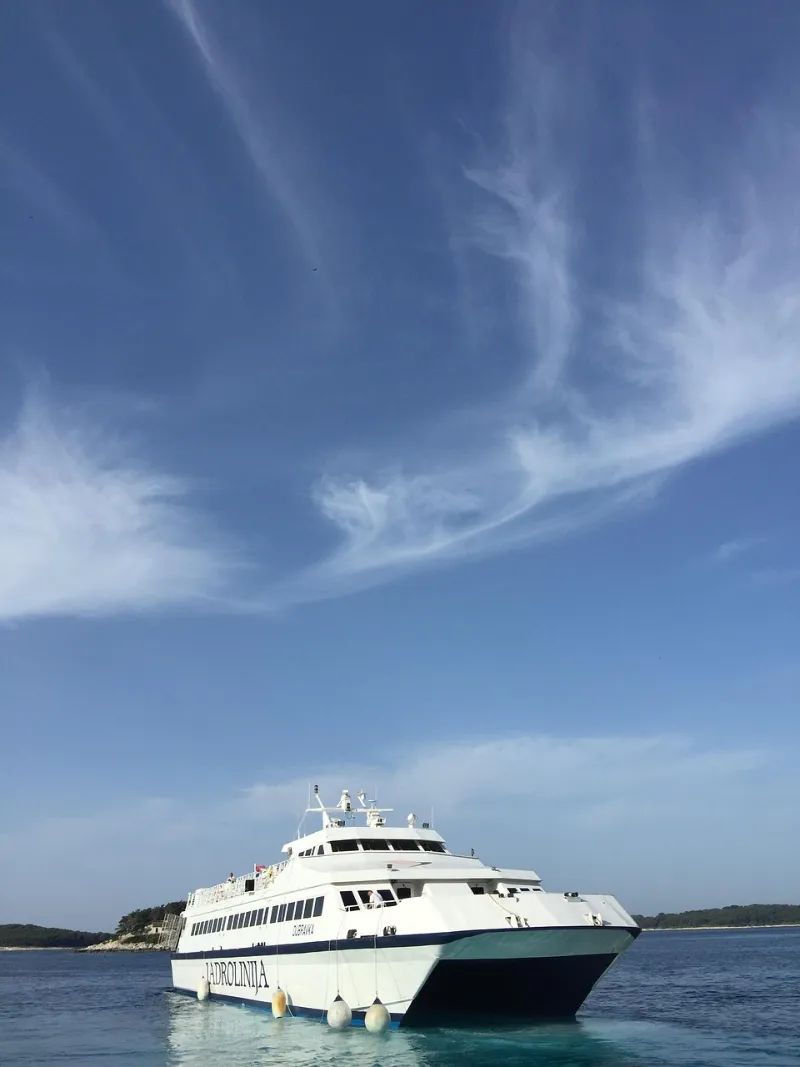
There is no single direct ferry, but you can build the trip from island stops. Operators such as Jadrolinija and TP Line run seasonal services, and fast catamarans link Split with islands such as Hvar and Korčula before continuing toward Dubrovnik.
Most sailings run from around mid April to mid October, and some routes have shorter seasons.
The full journey runs about 4.5 to 6 hours and costs roughly €50, according to published guides. The better idea is to break it up. Stay a night on an island, then carry on the next day.
If you pick Korčula, my guide on where to stay on Korcula will help you choose a base.
Use a booking tool such as Ferryhopper to compare sailings and times.
The honest caveat is that this is the slowest option, and schedules thin out quickly after the summer season.
Driving Between Split And Dubrovnik
A hire car costs from roughly €40 a day, and you also need to budget for fuel, tolls and parking. It is the best choice if you want to stop where you like and take the road at your own speed.
Split To Dubrovnik By Car
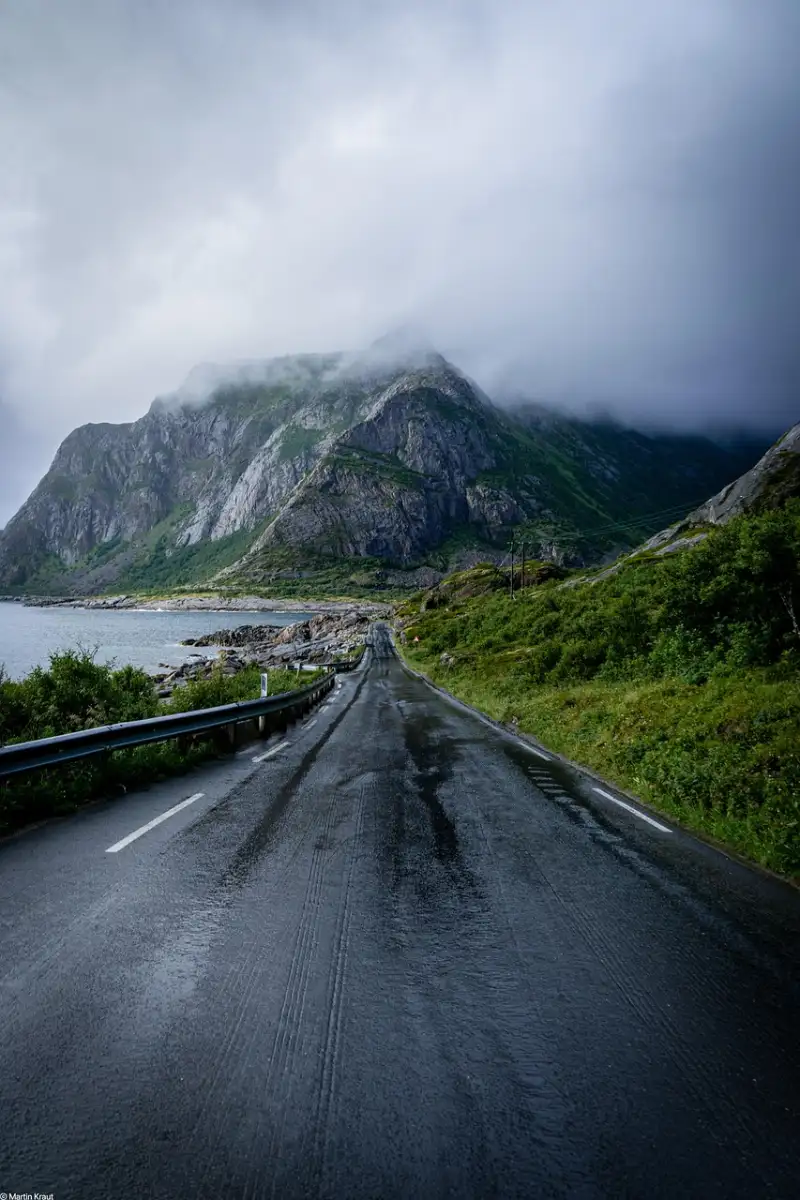
The distance is about 230 km, and the drive takes around three to four hours without stops.
The fastest route uses the tolled A1 motorway and then joins the D8 coast road, which is the scenic option and is drivable all the way. The D8 can get slow with summer traffic.
The Pelješac Bridge, opened in 2022, now lets drivers avoid the short strip of Bosnia and Herzegovina near Neum, so you do not need to cross a border check on the way.
Check the current border and road rules before you travel, because they can change.
Parking is limited in both cities, and the Old Town of Dubrovnik is largely closed to cars. Many travelers leave the car at their hotel and walk.
Stops Worth Making On The Drive
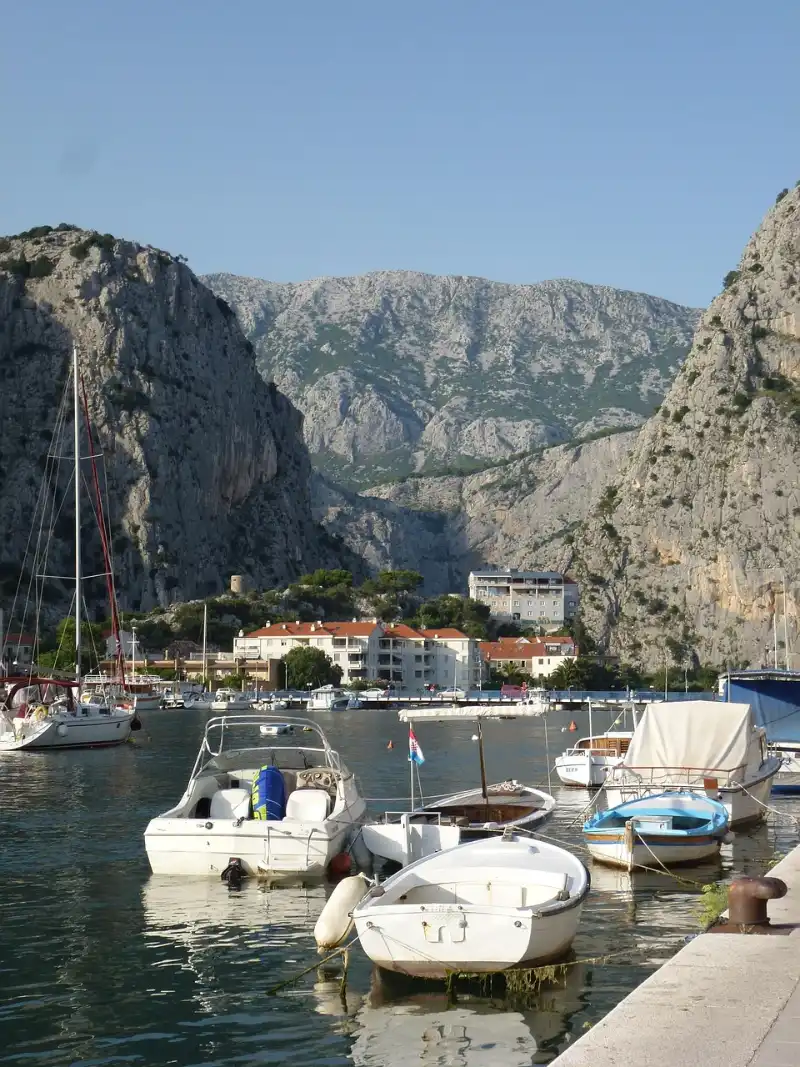
A few places are worth the detour. Omiš, about 30 minutes south of Split, sits between steep cliffs and the Cetina River.
Ston and Mali Ston, on the Pelješac peninsula, are known for salt pans, a very long defensive wall and local oysters.
Near Dubrovnik, the Trsteno Arboretum offers shade and quiet in an old garden.
The honest note is that stopping adds time. If you want all three, make it a full day and not a quick transfer.
Easy Transfers And Tours Linking Split And Dubrovnik
If you would rather not drive or juggle timetables, someone else can handle the logistics.
Private Transfer Between The Two Cities
A private transfer is the comfortable option. It suits travelers with heavy luggage, small children or very little time.
Prices vary widely, from about €150 to €300 or more, and some quotes are per car and not per person, so read what is included.
Many companies let you add a stop, such as Ston, for a small extra fee. It costs more than a rental car, but you skip the driving, the parking and the toll stress.
Guided Tour With Stops
A day tour covers the road and the sights in one go.
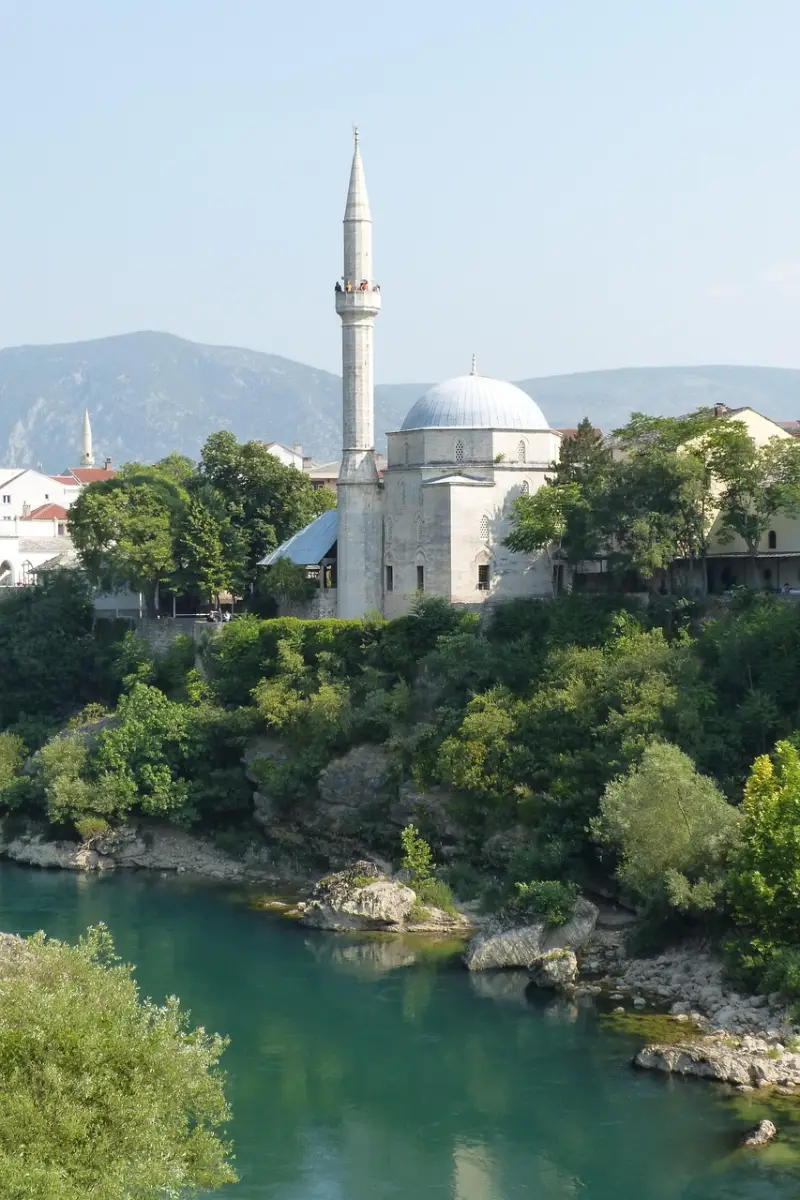
Private tours cost more than shared ones, and some include Ston, while others include a day trip to Mostar in Bosnia and Herzegovina.
Check what is included and how long you will spend on the road, because some days involve six hours or more in a vehicle.
A tour suits first-timers who want a guide and no planning. If you are not sure it is worth it, a local day tour in either city is a good add-on whichever way you travel.
Flying Between Split And Dubrovnik
Flying looks fastest on paper. The flight itself is short, roughly 45 minutes, but airport time adds up.
Split Airport is about 25 km from the Old Town, and Dubrovnik Airport is about 21 km from the Old Town, so each end needs a taxi or an airport bus.
Direct flights have been reported on a seasonal basis, with limited days, so check the current schedule. Other options connect through Zagreb on Croatia Airlines, which takes longer.
Fares are often around €100 or more, though occasional deals appear.
The honest caveat is that once you add check in, security and transfers, the flight rarely beats the car.
It is worth considering only if you are already flying into one city and out of the other.
Practical Tips For Split To Dubrovnik
A few habits make the whole journey smoother, whichever route you choose.
Book the morning departure. Early buses and ferries avoid the midday heat and the worst of the summer traffic, and they leave you time to settle in before dinner.
Pack a small day bag. Keep water, a snack, a charger and your passport or ID within reach, and put the big bag in the hold or the boot. Hillside lanes in both Old Towns are steep, so a light bag matters more than you think.
Allow a buffer on arrival. Whether you take the bus, the ferry or the car, the last 3 km into the Old Town can take longer than expected. Do not book a timed entry to the walls or a dinner reservation within an hour of your arrival.
Check where you are staying. Gruž, where buses and ferries arrive, is outside the walls. Some hotels offer a pickup, and a taxi is often simpler than a bus if you have heavy bags. Agree the fare or confirm the meter before you set off.
I compare Gruž, Pile, Ploče and Lapad in my Dubrovnik where to stay guide, which helps you pick a bed that suits your arrival point.
Carry a little cash. Small fees for luggage, parking or a taxi are easier to pay in euros, and card machines are not always working at a quiet bus station or on a small island pier.
These small things do not cost anything, and they save more stress than any upgrade.
If your plans change, remember that buses and ferries are easier to rebook than a prepaid tour, so keep the flexible tickets until you are sure of your dates, and screenshot your booking in case the signal drops at a busy terminal.
Best Time For Split To Dubrovnik
Leave early whatever the season, because midday heat and traffic make everything slower. Spring, from April to June, is mild with fewer crowds, though the sea is still cool.
Summer is the peak, with warm water, crowded beaches and the busiest roads.
September and October are my favorite window. The weather is still pleasant and the crowds thin out.
Winter, from November to March, is quiet and atmospheric, but some hotels, restaurants, ferries and tours close, so check before you plan a winter trip.
FAQ: Planning Your Croatian Coast Trip
How long does it take to get from Split to Dubrovnik?
By car or private transfer, expect about three to four hours. The bus usually takes four to five hours, and a ferry route takes longer, often 4.5 to 6 hours.
What is the cheapest way to travel between the two cities?
The bus is usually the cheapest option, with fares reported from about €15. Book early in summer.
Is it better to break up the trip with an overnight stop?
Usually yes, if you have the time. An island night on Hvar or Korčula, or a stop at Ston, turns a transfer into a mini trip and gives you a calmer arrival.
Do I need to cross Bosnia when I drive?
Not any more, because the Pelješac Bridge lets drivers bypass that stretch. Check current rules before you go.
Final Thought
The right way to do Split to Dubrovnik is the one that matches your budget and your patience. Take the bus to save money, the ferry for the views and the car for the freedom to stop. If you keep it simple and start early, the journey becomes part of the holiday and not just the gap between two cities.
Discover more from Escape Cents
Subscribe to get the latest posts sent to your email.
1 thought on “Split to Dubrovnik: 6 Easy Ways, Costs and Times”