
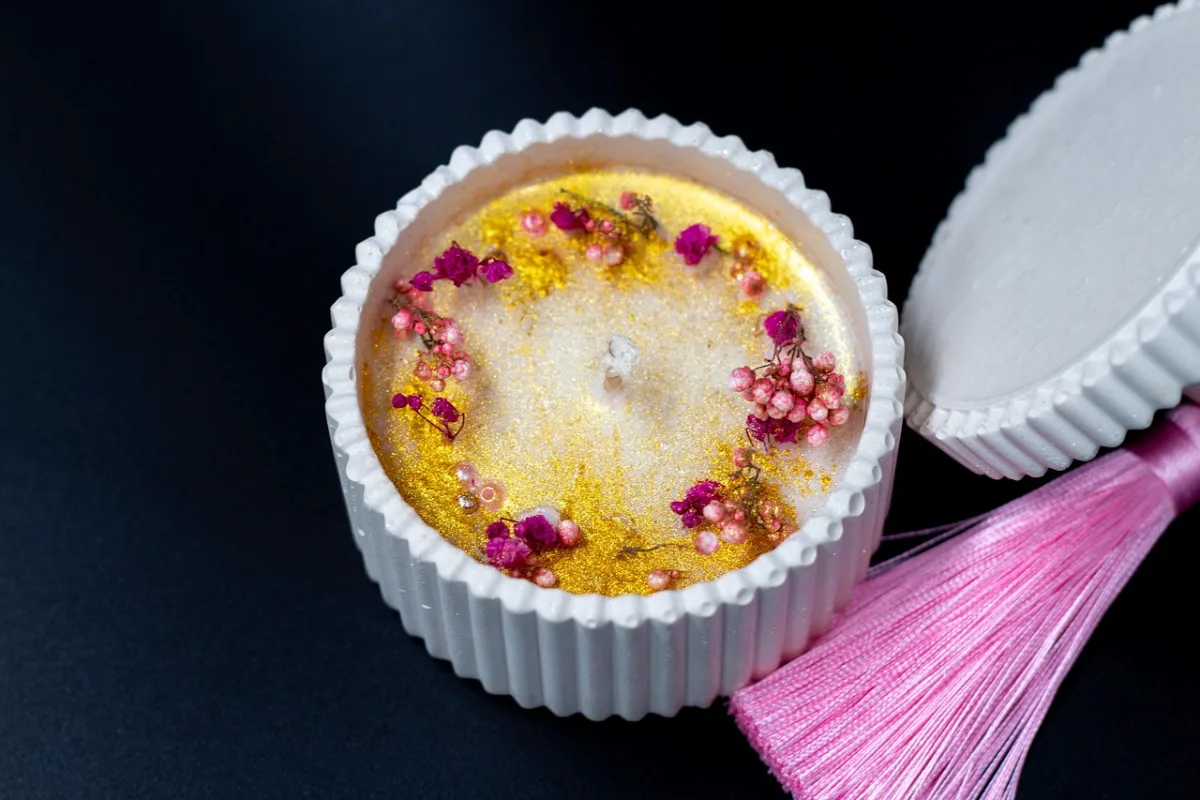
My neighbor sells hand-poured candles out of her garage on weekends. Last year she cleared enough to cover her family’s entire summer vacation, working maybe six hours a week. Nothing about it was complicated. She just picked one thing, made it well, and found the right place to sell it, the same principle behind every good idea for things to make and sell online.
Updated 13 October 2026. I refreshed this list with a quick-reference table and clearer sections. Marketplace fees, rules and demand change often, so check each platform’s current terms and your local rules for selling before you start.
Things to make and sell online range from genuinely simple to fairly technical. The gap between them matters more than most lists admit.
This one sorts twenty-five ideas by how much skill and setup each actually requires.
That way you can pick something that fits your actual situation instead of guessing.
Things To Make And Sell Online At A Glance
Here is the quick version before the details. Costs and skill levels are rough guides, so check what each idea needs where you live.
| Idea group | Examples | Typical startup cost | Skill level |
|---|---|---|---|
| No-skill ideas | Printable planners, gift boxes, pressed flower bookmarks, bath bombs | Usually low | Beginner |
| Craft and handmade | Candles, macrame, resin coasters, knitted items | Low to moderate | Some practice |
| Digital products | Printable wall art, templates, digital planners, stock photos | Usually low | Design basics help |
| More skill needed | Custom illustrations, 3D printed items, print-on-demand apparel, furniture | Moderate to high | Advanced |
Why Some Things To Make And Sell Online Sell Better Than Others
Not every handmade or digital product sells equally well, and the difference usually comes down to demand, not effort.
A beautifully made item nobody’s searching for will sit unsold no matter how well it’s crafted.
A simple item that solves a real, specific problem tends to sell steadily, even without much polish.
Keep that in mind while browsing this list of things to make and sell online.
Popularity and search demand matter as much as your own skill level.
No-Skill Things To Make And Sell Online
These require little to no prior experience and can realistically start within a day or two.
Printable planners and trackers. Simple digital designs made in free tools like Canva sell well on marketplaces built for printables, with zero physical inventory required.
Curated gift boxes. Assembling themed collections of existing products, rather than making anything from scratch, appeals to buyers who want convenience over customization.
Pressed flower bookmarks. A low-cost hobby that translates directly into a sellable product, especially popular around spring and Mother’s Day.
Custom pet portraits from photos. Using simple editing apps or basic drawing skills, this turns a pet photo into stylized art without needing advanced technical skill.
Bath bombs and soap. Recipes are widely available online, ingredients are inexpensive, and the finished product photographs well for online listings.
Beaded jewelry. Basic stringing and wirework require minimal upfront investment and can be learned from free tutorials within an afternoon.

Handmade Things To Make And Sell Online
These take a bit more skill or equipment but reward that investment with higher per-item prices.
Hand-poured candles. Startup costs stay low, and candles have a genuinely wide, consistent audience across nearly every marketplace.
Macrame wall hangings. A resurgence in home decor trends has kept demand steady for handmade textile pieces, especially in neutral, minimalist styles.
Custom tumblers and mugs. Vinyl cutting machines have a moderate upfront cost but let you produce a wide range of personalized drinkware quickly once set up.
Resin jewelry and coasters. Resin work takes some practice to avoid bubbles and imperfections, but materials are affordable and the finished pieces sell at solid margins.
Knitted or crocheted items. Scarves, hats, and baby items remain consistently popular, particularly heading into colder months.
Woodworking small goods. Cutting boards, coasters, and simple furniture pieces require tools and space but command higher prices than most items on this list.
Embroidered patches and clothing. A home embroidery machine represents a real investment, but the finished products carry strong margins and repeat-buyer potential.
Leather goods. Wallets, keychains, and small bags require specific tools and leather-working skill, though the finished products justify premium pricing.
Digital Things To Make And Sell Online
No inventory, no shipping, and the potential to sell the same item repeatedly without remaking it.
Printable wall art. Digital illustrations or designs sold as downloadable files require design skill but no ongoing production cost per sale.
Social media templates. Canva or Photoshop templates for Instagram posts, stories, or highlight covers sell well to small business owners and content creators.
Digital planners for tablets. Interactive PDF planners built for apps like GoodNotes have grown into a genuinely large niche market of their own.
Resume and cover letter templates. Professionally designed, editable templates solve a specific, recurring need that never really goes out of demand.
Stock photos or videos. If you already take strong photos or shoot video, licensing them through stock platforms creates ongoing passive income from work done once.
Fonts and design assets. Creating custom fonts requires specialized software and real design skill, but demand from designers and small businesses stays consistent.
Printable coloring pages. Simple to create with basic illustration skills, these sell well to both kids and the surprisingly large adult coloring market.

Ideas That Need a Bit More Skill
These take longer to learn but tend to command higher prices once you do.
Custom illustrations and portraits. Digital art skills take time to develop, but commissioned pieces sell for considerably more than most items on this list.
3D printed items. A 3D printer requires upfront investment and some learning curve, but opens up a wide range of niche, hard-to-find products.
Personalized clothing designs. Print-on-demand apparel with original designs requires genuine graphic design skill to stand out in a crowded market.
Handmade furniture. The highest barrier to entry on this list, requiring real woodworking skill and space, but also the highest potential price per item.

Where to Actually Sell These
The product matters, but so does picking the right platform for it.
Marketplaces built for handmade goods, such as Etsy, work well for craft items, jewelry, and physical products with a clear handmade appeal.
General marketplaces with massive existing traffic suit items with broader appeal, at the cost of more competition.
Your own website or storefront gives full control and better margins once you already have an audience. It does take longer to build initial traffic, though.
Social media directly works surprisingly well for visual, shareable products like candles, art, and jewelry.
Short video content showing the making process helps considerably.
What My Neighbor Actually Did Right
Watching her build that candle business over two years, a few decisions stood out more than the craft itself.
She picked one scent lineup and refined it slowly, instead of launching a dozen variations at once.
Every photo used the same table and the same light, which gave her shop a consistent look that felt more established than it actually was.
She also priced for her actual time from the start, rather than undercharging early and struggling to raise prices later once customers expected a certain number.
None of that required special talent.
It just meant treating a hobby like a small business from the very first sale, not after it started feeling successful.
How to Pick the Right Idea for Your Situation
With this many options on the table, narrowing down where to actually start comes down to a few honest questions.
Consider how much money you can put in before earning anything back. Digital products and simple crafts like bath bombs or beaded jewelry need almost nothing upfront.
Woodworking, ceramics, and embroidery require real equipment investment first.
Think about how much time you realistically have each week too.
Some items, like printables, take an afternoon to create once and sell repeatedly. Handmade physical goods require ongoing production for every single sale, though.
The U.S. Small Business Administration offers free guides on starting a small business if you want to check licenses and taxes. Also weigh how much you actually enjoy the process itself.
The ideas that turn into a lasting side income are almost always the ones the seller would keep doing even without the money.
That’s what carries a shop through the slow months every small business eventually hits.
FAQ: Things To Make And Sell Online
What’s the easiest of the things to make and sell online for beginners?
Printables and other digital products tend to be the easiest starting point. They require no physical inventory, no shipping, and can be created with free design tools.
How much money can you realistically make selling handmade items online?
It varies enormously by product and effort, and many sellers earn little at first. Some established sellers report anywhere from a modest side income to a few thousand dollars a month, particularly during peak seasons like the holidays, but results are never guaranteed.
Do I need to invest a lot of money to start?
No. Many ideas on this list can start with a small budget, sometimes under $50 for software or basic materials, particularly digital products and simple crafts like jewelry or bath bombs.
Which sells better, physical crafts or digital products?
Both can work well. Digital products typically offer higher margins since there’s no ongoing production cost per sale, while physical crafts often build stronger repeat-customer relationships.
Final Thought
These ideas range from an afternoon project to a genuine skill investment. The right one depends entirely on how much time, money, and patience you’re starting with. Pick something you’d actually enjoy making repeatedly, since burnout kills more small shops than lack of demand ever does.
If you’re looking for a broader income strategy beyond a single product, our guide to passive income ideas covers several complementary approaches worth exploring.
Discover more from Escape Cents
Subscribe to get the latest posts sent to your email.