
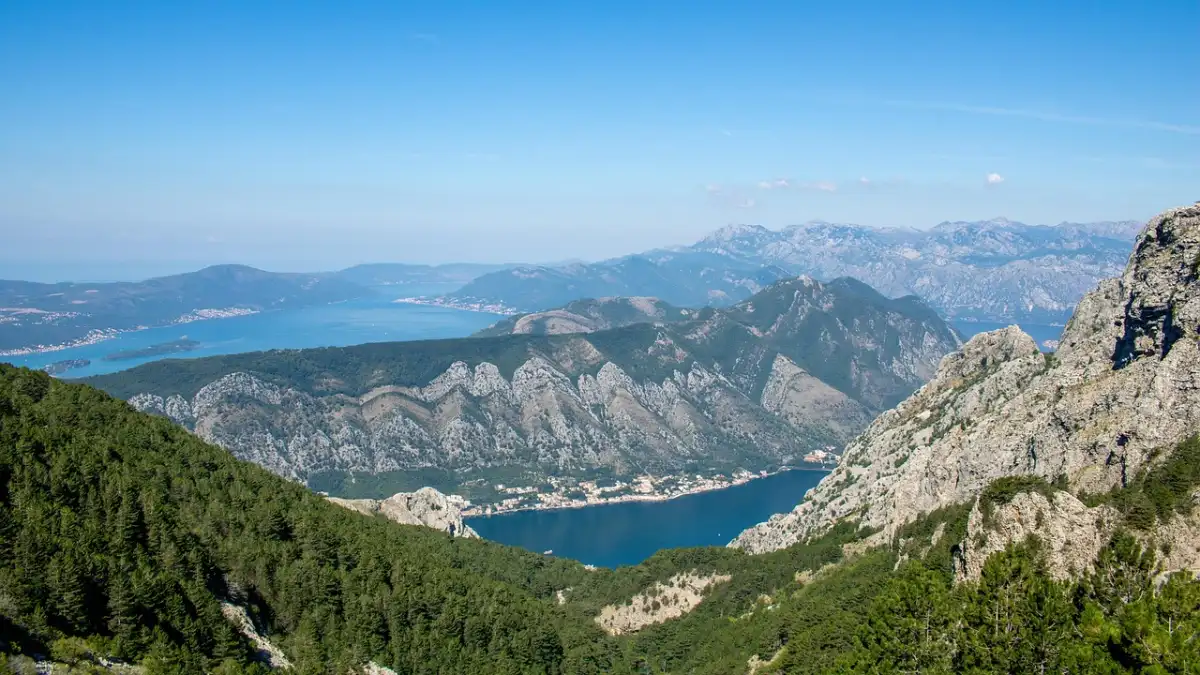
Kotor is a place I’ve now been back to three times, and each visit taught me something the last one didn’t. The first time, I fell hard for the setting.
Mountains drop straight into the bay, and a walled old town looks like it was built for a film set. The second and third times, I learned how to actually enjoy the place.
The crowds show up for a big chunk of the year, and you have to work around them.
This is my honest breakdown of what to expect, when to go, and how to spend your time once you’re there.
Updated 8 October 2026. This guide comes from my own three visits, and prices, timetables and opening times change, so check current details before you go. Some photos are illustrative.
Here is the short version of timing before the detail:
| Month | What to expect | My verdict |
|---|---|---|
| August | Cruise ships daily, shoulder-to-shoulder streets | Avoid if you can |
| September | Calmer, but still busy most days | Fine with an early start |
| October | Warm weather, thin crowds | My pick |
| November | Very quiet, less open | Too quiet for me |
| May | Fresh and lively without the crush | Great alternative to October |
Is Kotor Worth The Hype
Short answer: yes. I say that as someone who genuinely loves history, so I’ll admit some bias going in.
The old town sits among the best-preserved medieval settlements on the entire Adriatic coast. Its roots trace back to Roman times.
Centuries under Venetian rule left behind the stone palaces, narrow alleys, and fortified walls climbing up the mountainside.
That’s what makes this town look the way it does today. The setting itself does a lot of the work too. Steep peaks rise directly out of calm bay water. It’s genuinely hard to take a bad photo anywhere you stand.
None of that means it’s perfect. Cruise ships and tour buses roll through constantly during peak months. The old town gets uncomfortably packed by midday for a big stretch of the year.
Whether that trade-off is worth it depends heavily on when you go, which brings me to timing.
Best Time To Visit Kotor
I’ve now visited in August, September, October, and November. The difference between those months is bigger than I expected going in.
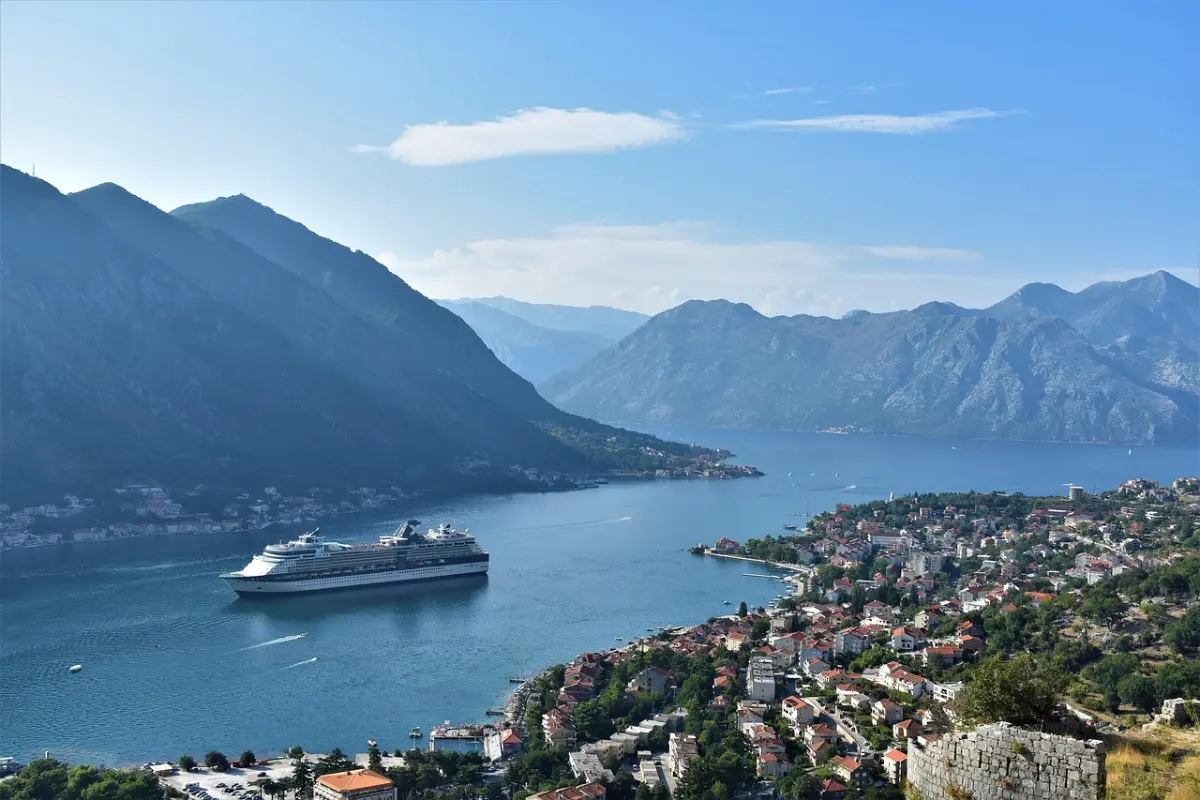
August looks stunning in photos and feels like chaos in person. Cruise ships dock daily. Streets fill shoulder to shoulder, and it’s hard to enjoy the atmosphere with that many people around you.
September calms down slightly but still runs busy most days.
October is where this place genuinely shines. The weather stays warm. The crowds thin out considerably, and I could actually wander the narrow streets without constantly weaving around other people.
May offers a similar sweet spot from the other direction, fresh and lively after winter without feeling overwhelming.
November turns quiet, maybe a little too quiet, with noticeably less happening around town.
How To Get To Kotor
Dubrovnik has the best selection of international flights nearby, and that’s how I’ve arrived every time. From there, a bus covers the route in a few hours. Tickets are easy to book online ahead of time.
Flying into Tivat works too, with a short taxi or bus ride finishing the trip.
I’ve paid around €35 for a taxi that way, arranged through a local company’s messaging app rather than flagging one down. Podgorica airport is another option.
It sits a bit further out but still manageable with a bus or private driver.
If you’re coming from Albania, buses run from Tirana as well. I’ve used a private transfer service for that leg specifically, since you can add sightseeing stops along the way during booking.
Renting a car is worth considering too, if you’re comfortable driving unfamiliar mountain roads. It opens up the surrounding towns and countryside at your own pace.
Where To Stay In Kotor
This comes down to travel style more than anything else. I personally prefer staying just outside the old walls of Kotor.
If the place is going to be crowded during the day regardless, I’d rather be there early morning and late evening. That’s when it empties out and feels completely different.
Staying inside the walls puts you right in the middle of everything. That has its own appeal if convenience matters more to you than quiet.
Nearby towns like Tivat and Perast make reasonable alternatives too, each with a different character worth considering.
I stayed in Tivat once and it mostly worked, though the return trip after a day out wasn’t smooth. Taxis quoted steep prices, so I took the bus instead.
I ended up spending nearly an hour just figuring out which one had my ticket. I’d plan that logistics piece more carefully next time.
Things To Do In Kotor
The old town rewards wandering without much of a plan. That was genuinely my favorite way to spend time here.
Narrow stone streets open into hidden little squares, cafés tucked into corners you’d never find on a map, and something interesting around nearly every turn.
The Cathedral And The Maritime Museum
St. Tryphon’s Cathedral dates back to 1166. It remains one of the most important historic buildings in town. Earthquakes and reconstructions over the centuries left it with a mix of architectural styles.
That adds real character rather than uniformity.
A short walk away, the Maritime Museum tells the story of this region’s deep connection to the sea.
Ship models and navigation tools spanning centuries fill its halls.
The Kotor Fortress Hike
If you’re up for a real workout, the climb to the fortress is worth it. It runs roughly 1,300 stone steps up the hill above town. Two trailheads lead up from different points near the old walls.
Both merge onto the same winding mountain path. About halfway up, a small sixteenth-century chapel offers a good excuse to catch your breath before continuing.
The full route runs about 2.5 kilometers round trip. It takes an hour and a half to two hours at a steady pace. Bring water, since the climb gets warm fast.
Time it for early morning or evening if you want to avoid both the heat and the crowds.
Walking The City Walls
Even without doing the full fortress hike, you can walk sections of the defensive walls that give this whole town its dramatic silhouette.
The first gate near the bus station offers one of the prettiest entry points, in my opinion.
There’s a small restaurant built right into the walls further along too, if you want to make an afternoon of it.
A Boat Trip Around The Bay
Taking a boat out onto the bay ended up being one of the best decisions of my second visit. A few hours on the water gave me a completely different perspective on the whole region.
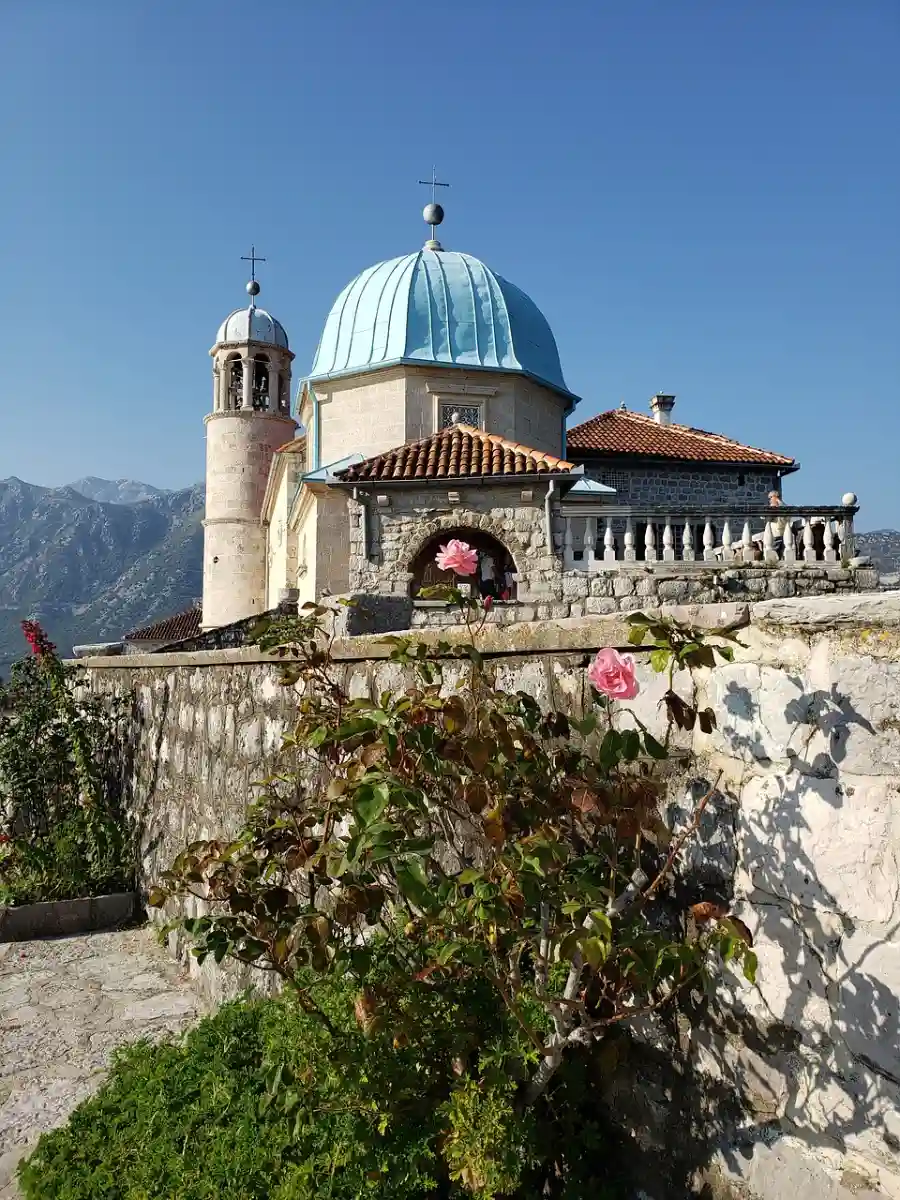
Stops at the nearby town of Perast and the small manmade island of Our Lady of the Rocks made it even better. That island itself has a genuinely strange origin story.
It was built up gradually over centuries by sailors dropping stones into the sea after successful voyages.
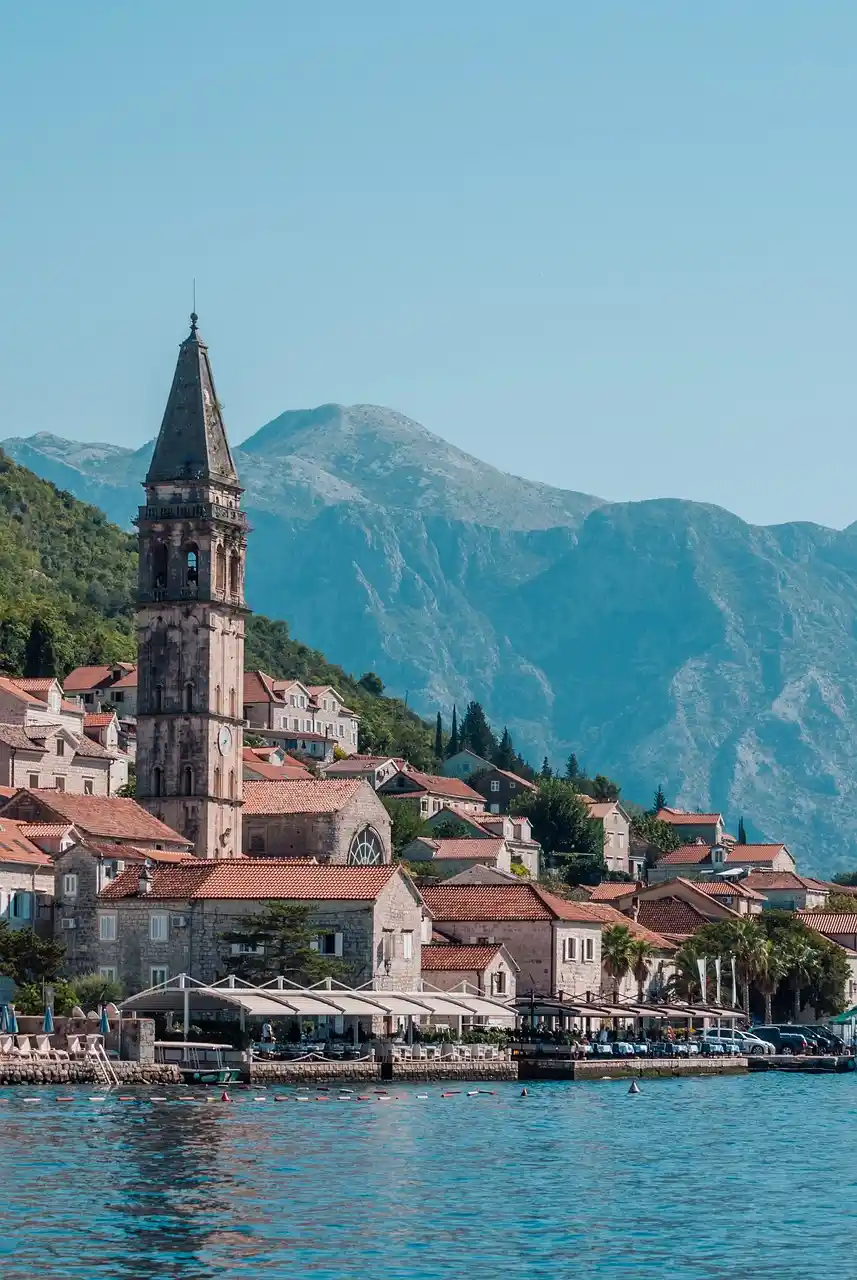
Perast alone is worth a visit even without the boat. It runs quieter and feels noticeably more upscale than the busier streets nearby.
A waterfront promenade lined with restaurants built right on the water anchors the whole town.
The Cable Car
A newer cable car climbs Mount Lovćen in just a few minutes. It delivers panoramic views over the bay without requiring the full fortress hike.
It’s a genuinely easy way to get that dramatic elevated perspective, if your legs aren’t up for a couple thousand steps that day.
Everything Else Worth Knowing
Small Roman ruins sit near the south gate, easy to miss if you’re not specifically looking for them. They’re worth a quick stop for anyone curious how far back this settlement’s history actually goes.
Cats are everywhere here too, well cared for by locals and visitors alike, with a small museum dedicated entirely to their presence in town.
A market just outside the walls sells fresh produce alongside the usual tourist items, and it’s a decent place to grab snacks before a hike.
Comparing It To Dubrovnik
I get this question constantly, and if I genuinely had to choose only one, I’d pick Dubrovnik. It’s larger, offers more to see and do, and carries a bit more energy overall.
That said, combining both into one trip is entirely realistic. I’d recommend doing exactly that rather than picking sides.
A bus connects the two, though I wouldn’t attempt it as a rushed day trip, since border crossings can add unpredictable time.
My last crossing took nearly three hours each way. If you’re genuinely tight on time, a guided day tour handles the logistics far more smoothly than public transport does.
Planning the Dubrovnik leg? My guide to the best places to stay in Dubrovnik covers where I’d base myself.
What I’d Tell A First-Timer
Looking back across three trips, a few things would have saved me real frustration on that first visit.
I’d book accommodation further ahead than I did, especially for anything inside the old walls during peak months.
The best options sell out weeks in advance once summer approaches. I’d also pack real walking shoes from day one instead of the sandals I brought the first time.
Much of the old town runs on uneven stone underfoot. Cash matters more than I expected too.
Several smaller shops and market stalls don’t take cards, and I found myself making an unplanned ATM run more than once.
Finally, I’d build in a buffer day rather than treating this as a tight one-day stop on a longer Balkan itinerary.
The best parts of each visit happened in the slower, unplanned hours, not the rushed ones.
What The Weather Actually Feels Like
Locals told me repeatedly that the bay creates its own microclimate, and after three visits across different seasons, I believe them.
Summer heat gets trapped between the mountains and the water. It feels more intense than nearby coastal towns without the same steep terrain.
Even in October, afternoons stayed warm enough for short sleeves, while evenings cooled down fast once the sun dropped behind the peaks.
Winter visits aren’t something I’ve done personally. Conversations with locals suggest a quieter, rainier season, with far fewer options open for food and activities.
If you’re set on visiting outside the main season, spring and early autumn remain the more reliable bet.
FAQ: Kotor
Is Kotor worth visiting despite the crowds?
Yes, particularly if you visit during shoulder season, or plan your day around early mornings and evenings. The crowds thin out considerably then, and the atmosphere shifts completely.
How many days do you need in Kotor?
One to two days covers the main sights comfortably: the old town, the fortress hike, and a boat trip around the bay. That makes it an easy addition to a longer Balkan itinerary.
Is Kotor better than Dubrovnik?
They offer different experiences rather than one being strictly better. Dubrovnik has more scale and variety, while this town offers a smaller, more concentrated dose of history and dramatic scenery.
What is the best base for exploring the area?
Staying just outside the old walls offers a good balance of proximity and quiet. Staying inside them puts you closer to everything, though, if convenience matters most to you.
Final Thought
Three visits in, I still think this is one of the most dramatic settings I’ve stood in anywhere in Europe. Mountains and water do more visual work here than almost any other place I’ve traveled to.
The crowds are real, and they’re worth planning around rather than ignoring, but they haven’t once made me regret going back. Time it right, stay a night or two if you can, and Kotor earns every bit of its reputation.
If you’re building a wider Adriatic trip, my list of hidden European summer destinations has more ideas, and my guide on where to stay on Korcula covers another stop along the coast.
Discover more from Escape Cents
Subscribe to get the latest posts sent to your email.