
Things to do in Mallorca go far beyond the charter-flight beach stop I’d filed the island under for years. On my last morning I sat on the harbor wall in Palma, watching a fisherman unload his catch while the day’s first cruise ship nosed out of the bay, and it hit me how wrong I’d had it.
Three trips in, I’ve built a real list: mountain villages, hidden coves, and hiking trails that rival anywhere else in the Mediterranean, most of it well beyond the resort strip.
This is my honest list, built from what actually stuck with me across three separate visits, not a recycled checklist.
Updated 8 October 2026. This list comes from my own three trips, and opening times and prices change by season, so check current details before you go. Some photos are illustrative.
Here is the short version before the detail:
| Area | Best for | Time to set aside |
|---|---|---|
| Palma | Cathedral, castle, old town wandering | One full day |
| Sóller valley | Vintage train, orange groves, harbor | A full day |
| Mountain villages | Deià, Valldemossa, Banyalbufar | Half a day each, go early |
| East coast | Cala Figuera, Mondragó, quiet coves | Half to a full day |
| Cap Formentor and the north | Pollença, cliffs, lighthouse | A full day, check summer access |
| Hiking | Torrent de Pareis, Castell d’Alaró | Half a day, start early |
Palma’s Old Town And Bellver Castle
Most trips start in Palma, and it deserves more than a quick pass-through on the way to the beach. Some of the best things to do in Mallorca sit within walking distance of each other right here.
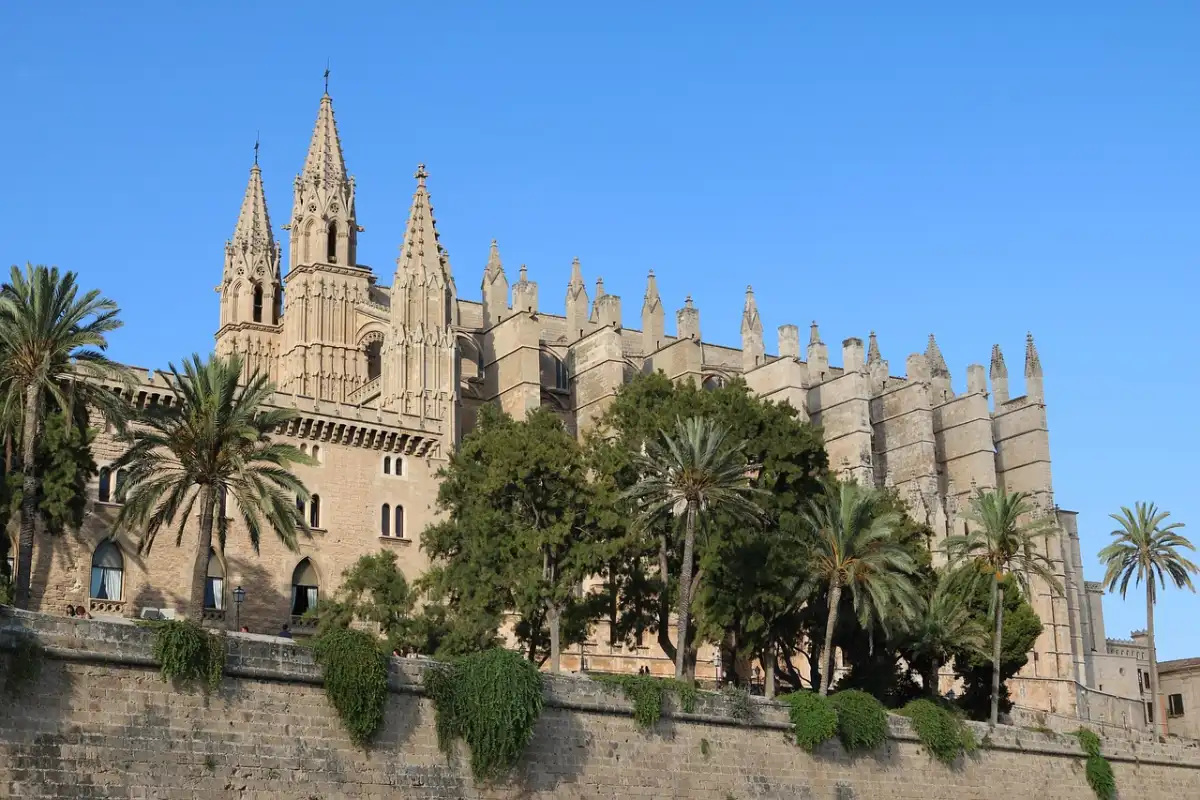
La Seu Cathedral And The Old Town
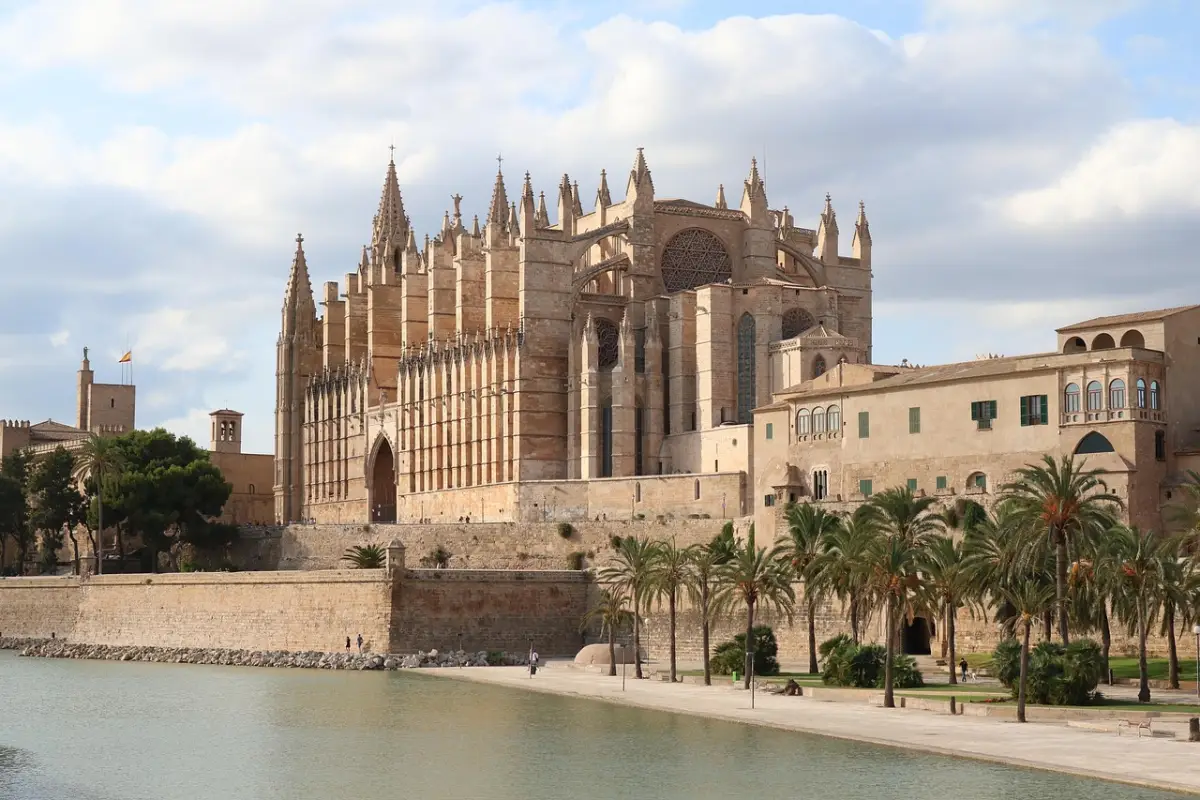
Palma Cathedral dominates the waterfront. Its stained glass windows genuinely stopped me mid-step the first time I walked inside.
Behind it, the old town unfolds into a maze of narrow streets.
I spent an entire afternoon just wandering without a destination.
I kept stumbling onto hidden courtyards and small independent shops I never would have found on a map.
Bellver Castle
A short walk or bus ride from the city center, Bellver Castle sits as one of the few circular castles left in Europe. Built in the fourteenth century, its courtyard and small museum are worth a look. The real draw is the view over the bay from its walls, though.
The Sóller Train And Valley
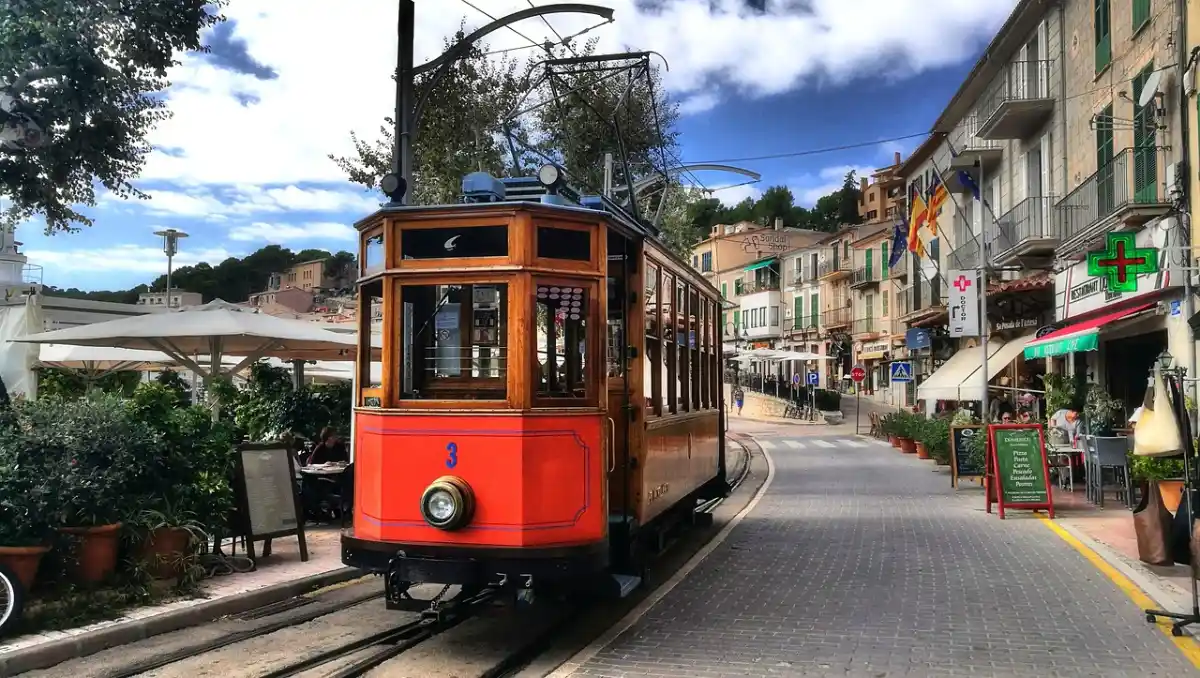
The historic train from Palma to Sóller has run since 1912. The ride itself might be one of the best things to do in Mallorca purely for the scenery along the way.
Sóller And Port De Sóller
Sóller sits in a valley thick with orange groves. Its main square is anchored by a church worth a quiet ten minutes inside.
A short tram continues down to Port de Sóller, a curved harbor with a proper beach and a promenade lined with restaurants.
I spent a slow afternoon here, alternating between swimming and doing absolutely nothing.
Fornalutx
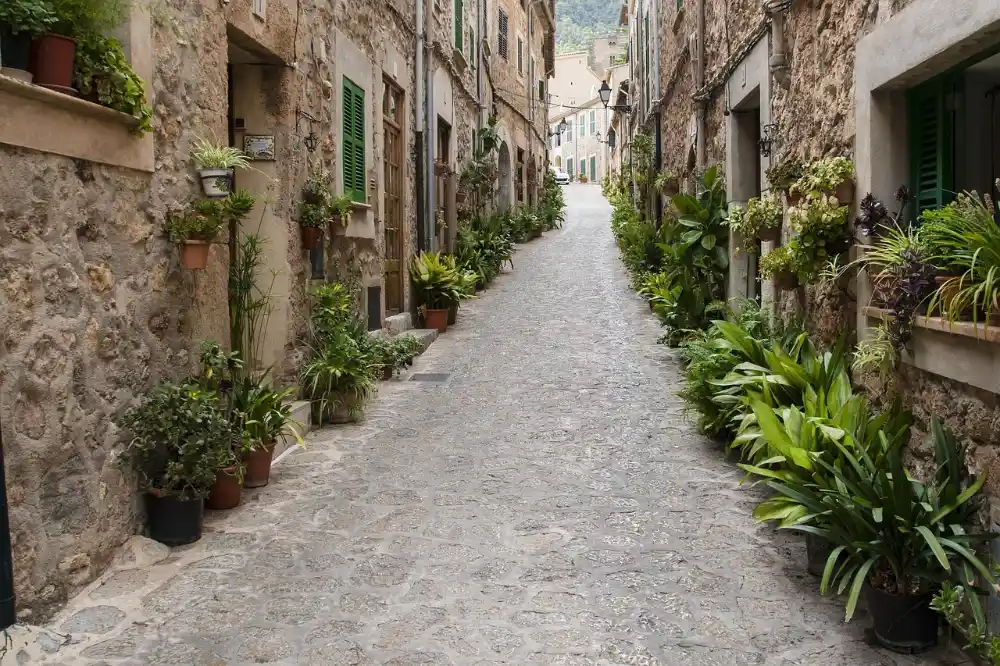
Tucked into the mountains above Sóller, Fornalutx ranks among the prettiest villages I’ve walked through anywhere. Its cobbled streets and stone houses don’t take long to see. I’d still build in an hour, mostly for the coffee stop and the photos you’ll inevitably want to take.
Alaró Village
A less-photographed stop below the Castell d’Alaró hike, the village of Alaró itself is worth a slow lunch before or after the climb. Its main square fills with locals in the evening, and I found the pace here noticeably calmer than the bigger tourist towns further north.
Mountain Villages Worth The Detour
Beyond Fornalutx, a handful of villages along the Tramuntana range earned a real place in my memory of this trip.
Deià
Deià’s dramatic setting has drawn artists and writers for decades. Walking up to the village church for the view over the surrounding mountains explains why.
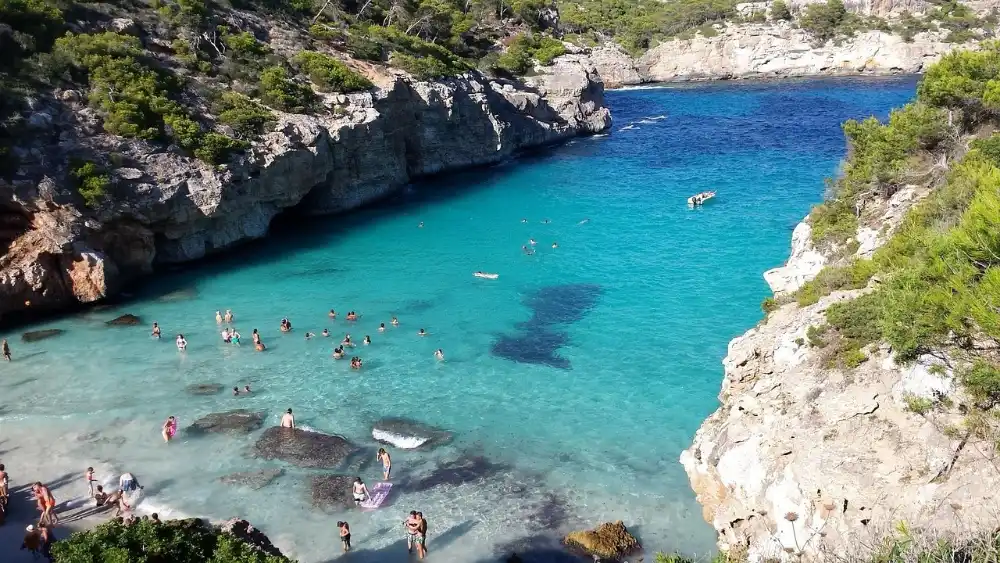
Below the village, the small cove of Cala Deià makes a genuinely lovely lunch stop. Cliffs rise on either side, with clear water below.
Valldemossa
Valldemossa’s honey-colored houses and narrow streets pull in crowds by midday. I’d time a visit for early morning if you can manage it.
The old monastery here once hosted composer Frédéric Chopin for a winter. That story adds a strange, specific texture to an otherwise quiet stroll through the village.
Banyalbufar
Less visited than its neighbors, Banyalbufar sits on terraced hillsides that tumble straight toward the sea. I stopped here almost by accident on a drive along the coast. It turned into one of the quieter, more memorable stops of the whole trip.
Cala Figuera And The East Coast
The east coast trades dramatic mountains for a gentler kind of beauty, all whitewashed fishing villages and calm inlets.
Several of the quietest things to do in Mallorca sit tucked along this stretch, away from the busier northern coastline.
Cala Figuera
Cala Figuera might be the most photogenic village on the island. Its narrow inlet is lined with traditional fishermen’s cottages and small boats.
There’s no real beach here, which keeps the crowds lighter than most coastal stops.
I spent a full afternoon just walking both sides of the harbor. For more quiet corners like this across the continent, see my list of hidden European summer destinations.
Mondragó Natural Park
Further south, Mondragó Natural Park combines pine forest with some of the clearest water I found anywhere on the island.
Playa S’Amarador, its main beach, has a softness to the sand and a clarity to the water. It made an easy favorite among everything I saw here.
Cap Formentor And The North
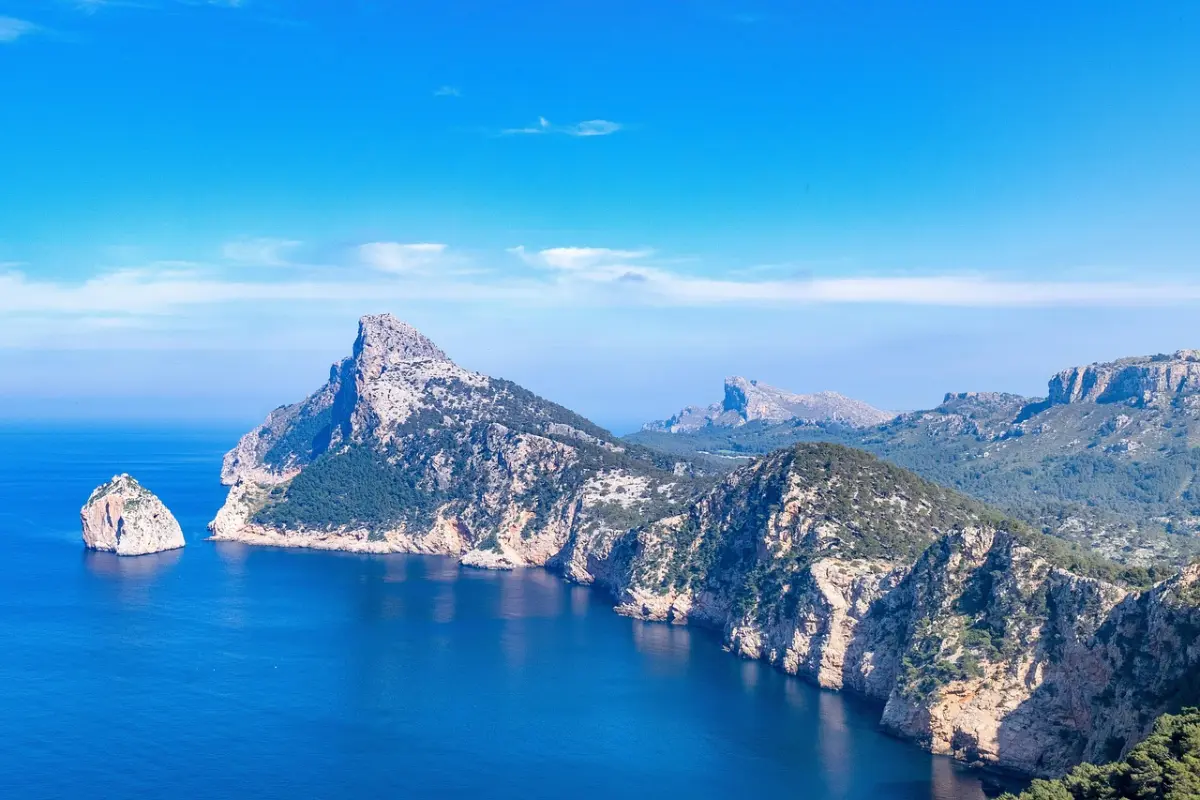
The northern peninsula delivers some of Mallorca’s most dramatic coastal scenery. It’s worth setting aside a full day for this stretch.
Pollença And Port De Pollença
Pollença’s climb to the El Calvari chapel runs 365 steps, one for each day of the year.
The view at the top rewards every one of them. Port de Pollença, just down the coast, offers a calmer harbor town with a long beach promenade.
It’s a good spot for lunch before continuing north.
Cap Formentor
Cap Formentor itself marks the island’s northernmost point. Its lighthouse perches above genuinely dramatic cliffs. The road up gets restricted to buses during peak summer months, so check current access before planning a self-drive visit here.
Hiking Highlights
Hiking became one of my favorite ways to actually understand this island, particularly outside the peak summer heat.
Torrent de Pareis
This limestone gorge cuts a dramatic path down to the sea, ending at the pebble beach of Sa Calobra. The short walk to the outlet doesn’t take long.
The scale of the cliffs on either side makes it feel far more remote than it actually is, though.
Castell d’Alaró
The hike up to this ruined mountaintop castle takes real effort. The panoramic views from the top rank among the best I found on any of the island’s trails.
I’d recommend starting early, especially in summer, since there’s little shade along most of the route.
Caves, Markets, And Everything Else
A handful of other things earned a spot on my list without fitting neatly into any single region.
The Dragon Caves
Cuevas del Drach draws crowds for good reason. Its underground lake, one of the largest of its kind anywhere, sits beneath dramatic stalactites that took millennia to form.
For a quieter alternative, Cuevas de Campanet offers a similar experience with a fraction of the visitors.
Local Markets
Santanyí’s Wednesday and Saturday market became a genuine highlight on my most recent trip.
Stalls packed with local produce, ceramics, and handmade goods filled the streets. Inca and Sineu run their own market days too, each with a slightly different, more traditional feel than the bigger tourist-facing stalls elsewhere.
Renting A Boat
Getting out on the water changed how I saw the coastline entirely. Small day cruisers don’t require a license in many ports. A few hours drifting between coves gave me a perspective the beaches alone never quite captured.
A Cooking Class In A Windmill
One afternoon on my second trip, I took a Spanish cooking class held inside a restored historic windmill outside Palma.
Learning to make paella and traditional Mallorcan dishes with a local chef, then sitting down to eat everything together with a group of strangers, turned into one of the more memorable few hours of that entire visit.
It’s a small addition to an itinerary, but it added a layer the beaches and villages alone couldn’t.
What I’d Skip Next Time
Not everything on this island earned repeat visits, and a few honest notes might save you some time.
Port de Alcudia’s main resort strip felt interchangeable with beach towns I could find anywhere in the Mediterranean, and I’d rather spend that time in the old town nearby instead, which has genuinely preserved medieval walls and a much better sense of place.
I’d also skip driving to Cap Formentor during peak season entirely, since the bus restriction makes a self-drive visit more hassle than it’s worth between June and September.
Save that stretch for shoulder season if your schedule allows any flexibility at all.
Getting Around The Island
Renting a car gave me the most flexibility across all three trips, particularly for reaching the mountain villages and hiking trailheads that public transport simply doesn’t cover well.
Roads through the Tramuntana range wind considerably, so budget more driving time than the distance alone suggests, especially in summer traffic around the more popular viewpoints.
For travelers who’d rather not drive, a combination of the Sóller train, regional buses, and the occasional taxi covers Palma, the west coast towns, and several of the bigger villages reasonably well.
It just requires more planning around schedules than having your own car does.
FAQ: Things To Do In Mallorca
What are the best things to do in Mallorca for a first-time visitor?
Palma’s old town, the Sóller train, and at least one mountain village like Valldemossa or Deià cover the highlights well for a first visit. Cala Figuera or Mondragó Natural Park round things out if time allows for the coast.
How many days do you need to see Mallorca properly?
A week gives you enough time to cover Palma, the Tramuntana villages, and at least one stretch of coastline without feeling rushed. A long weekend still works for a focused, smaller sample of the island.
What are the best things to do for couples in Mallorca?
Start with the Sóller train, then spend an evening at the port with a long dinner by the water. Add a slow afternoon wandering Deià or Valldemossa. Finish with a quiet cove like Cala Figuera once the day-trippers have left. In spring or autumn, Cap Formentor at sunset is hard to beat.
What should you not miss in Mallorca?
Five things earn the trip on their own: Palma’s old town, the Sóller train, Cap Formentor, a walk through Valldemossa, and one quiet cove. If you have time for a sixth, Cuevas del Drach is worth the detour, especially on a grey day.
Is Mallorca nicer than Ibiza?
It depends on what you want from the trip. Mallorca is much bigger and more varied, with mountains, hiking trails, old villages, and quiet coves. Ibiza leans harder on nightlife and beach clubs. For sightseeing, hiking, and a slower pace, I’d pick Mallorca every time.
What are the best things to do in Palma de Mallorca?
Walk the old town’s lanes first, then head up to Bellver Castle for the view over the bay. Leave an hour for the harbor too. Palma works as a day on its own, or as a base before you head into the mountains.
Final Thought
Three trips in, my list of things to do in Mallorca keeps growing rather than shrinking. That says something about how much this island actually offers beyond its reputation.
Skip the assumption that this is purely a beach-and-bar destination.
Build in time for the mountain villages, the quieter coves, and at least one proper hike, and you’ll come away with a version of Mallorca that most first-timers never see. If islands are your thing, my guide to small islands around the world has more ideas, and my guide on where to stay on Korcula covers another Mediterranean island worth the trip.
Discover more from Escape Cents
Subscribe to get the latest posts sent to your email.