
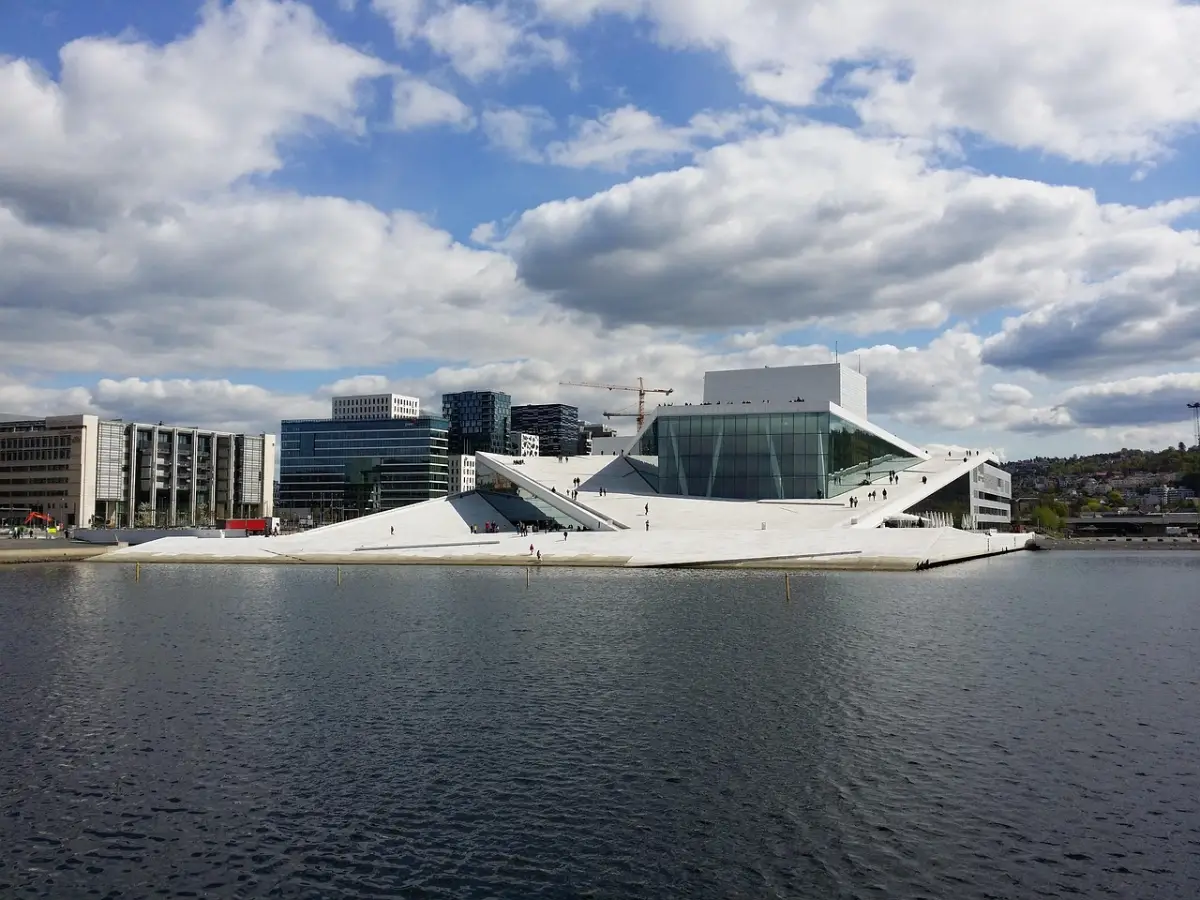
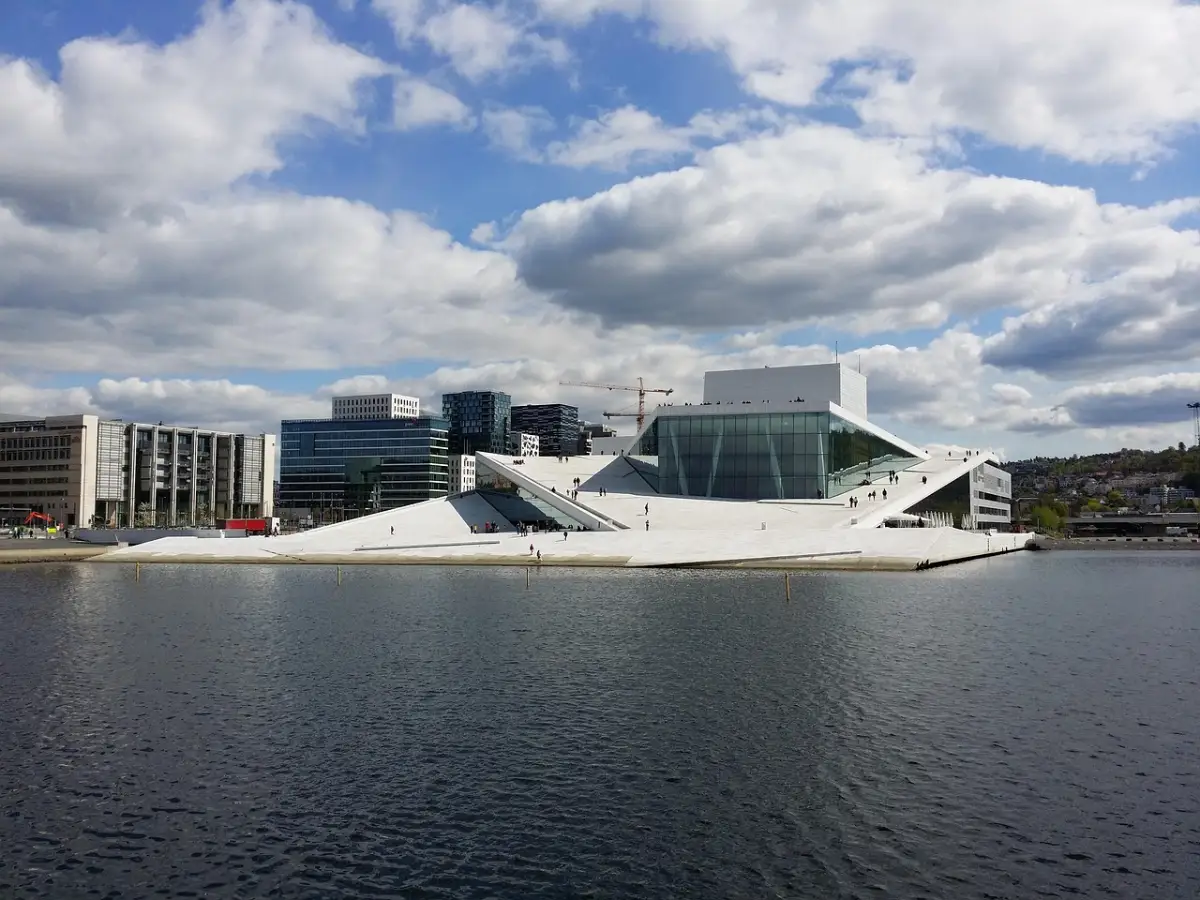
I walked up the sloped roof of the Oslo Opera House at eleven at night one June, and the sun still hadn’t properly set. I lived in Oslo for years before moving an hour and a half away, and that kind of moment is exactly why I still find myself going back constantly. This is my honest list of things to do in Oslo, built from actually living there rather than a quick weekend trip, covering the handful of landmarks and the much longer list most first-timers rush past.
Updated 29 October 2026. I refreshed this guide with a quick-reference table and clearer sections. Opening hours, ticket prices and museum details change often, so check each attraction’s official page before you go.
Things To Do In Oslo At A Glance
Here is the quick version before the details. Costs are only a rough guide, so confirm current prices on each official site.
| Attraction | Area | Best for | Cost |
|---|---|---|---|
| Opera House roof | Harbor | Views at any hour | Free to walk |
| Vigeland Park | Frogner | Sculpture and slow walks | Free |
| Bygdøy museums | Bygdøy peninsula | Viking and polar history | Ticketed |
| Grünerløkka and Mathallen | Grünerløkka | Cafes, shops, food hall | Free to wander |
| Akershus Fortress | City center | History and harbor views | Grounds free |
| Holmenkollen | Hills above the city | Ski history and trails | Ticketed for the jump and museum |
| Ekebergparken | East of downtown | Sculpture and fjord views | Free |
| Oslofjord islands | Ferry from the harbor | Quiet summer days | Ferry fare |
| Munch Museum | Waterfront | Munch beyond The Scream | Ticketed |
| National Museum | Near the harbor | Rainy-day art | Ticketed |
The Harbor And Opera House: First Things To Do In Oslo
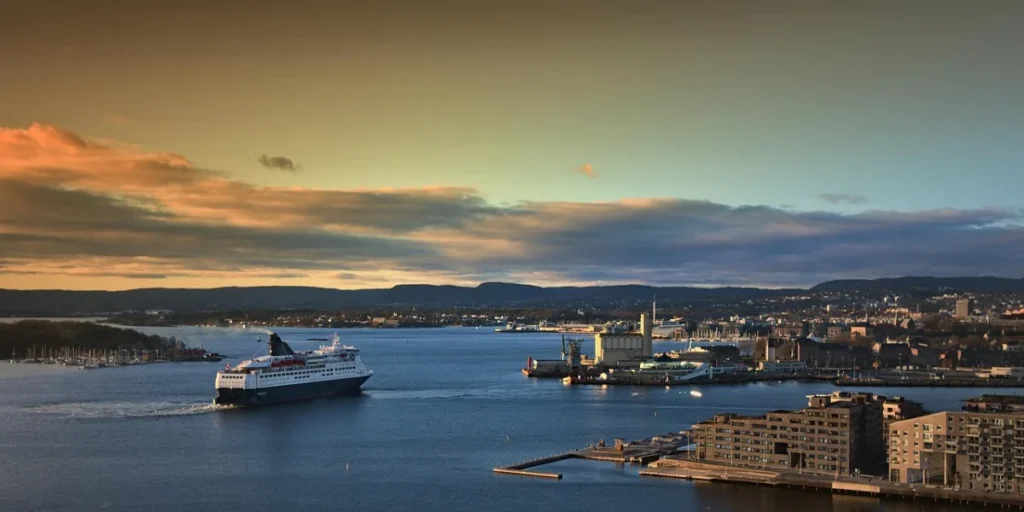
Oslo’s waterfront transformed dramatically over the years I lived there. It remains one of the first things I show visitors.
The Opera House anchors the harbor. Its sloped white marble roof is designed so you can actually walk to the top. I’ve done that climb more times than I can count, at every season and time of day.
The view over the fjord never gets old.
Below it, the harbor promenade connects several of the city’s newer neighborhoods. Glass architecture and waterfront restaurants fill the area, none of which existed when I first moved there.
A short walk along the water brings you past Barcode, a row of narrow, distinctive high-rise buildings.
They split opinion among locals but photograph beautifully regardless of what you think of the architecture.
Vigeland Park And Frogner: Free Things To Do In Oslo
Vigeland Park remains one of the things to do in Oslo I recommend to literally everyone, without exception.
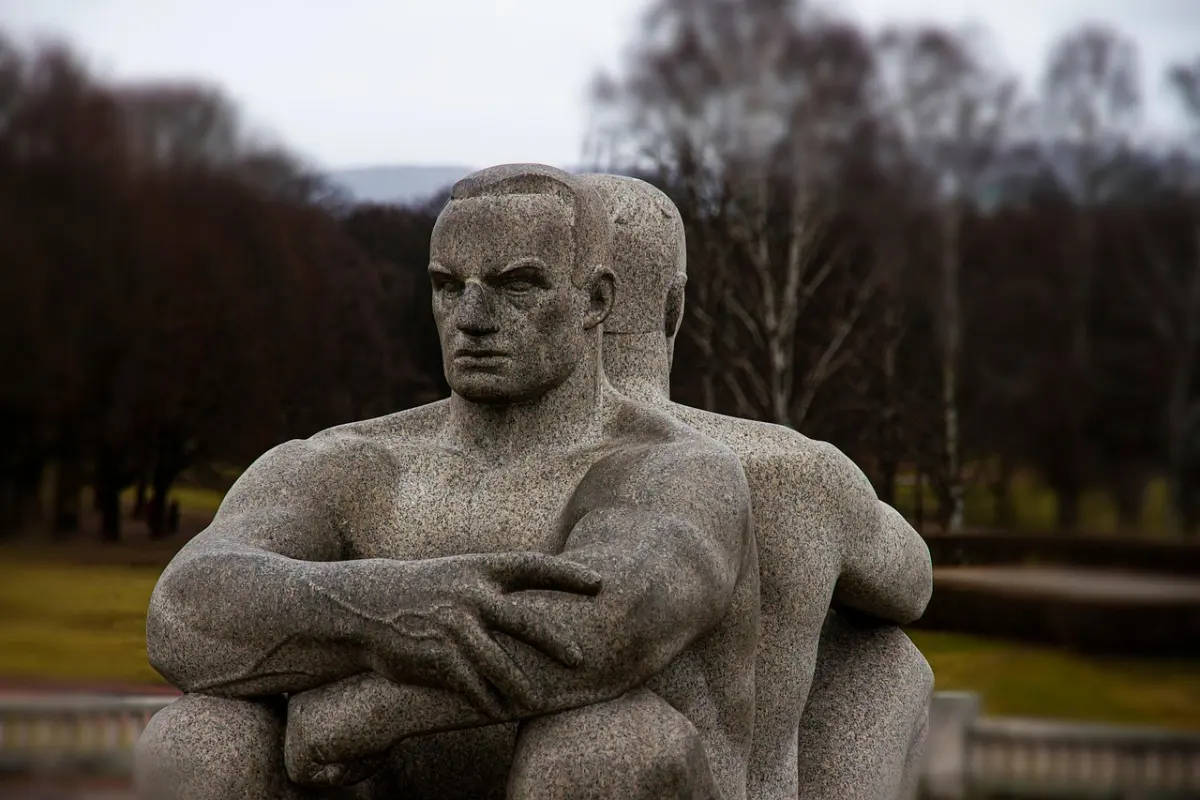
Over two hundred bronze and granite sculptures fill this park. A single Norwegian sculptor created all of them over decades of work.
The Monolith at the center, a single towering column carved from one block of granite, stops most visitors in their tracks the first time they see it.
I still walk through here regularly. I still notice details in individual sculptures I’d somehow missed before.
The surrounding Frogner neighborhood rewards a slower wander too. Elegant apartment buildings and quiet residential streets fill the area, feeling a world away from the tourist center.
Bygdøy’s Museums
The Bygdøy peninsula holds a cluster of museums that consistently surprise first-time visitors with how good they actually are.
The Viking Ship Museum houses genuine Viking-era ships pulled from burial mounds. They’re astonishingly well preserved for their age. I’ve taken every visitor I’ve ever hosted here.
It never fails to impress even people who claim they’re not usually into museums.
Nearby, the Fram Museum centers on a polar exploration ship, an entire building constructed specifically to house one remarkable vessel.
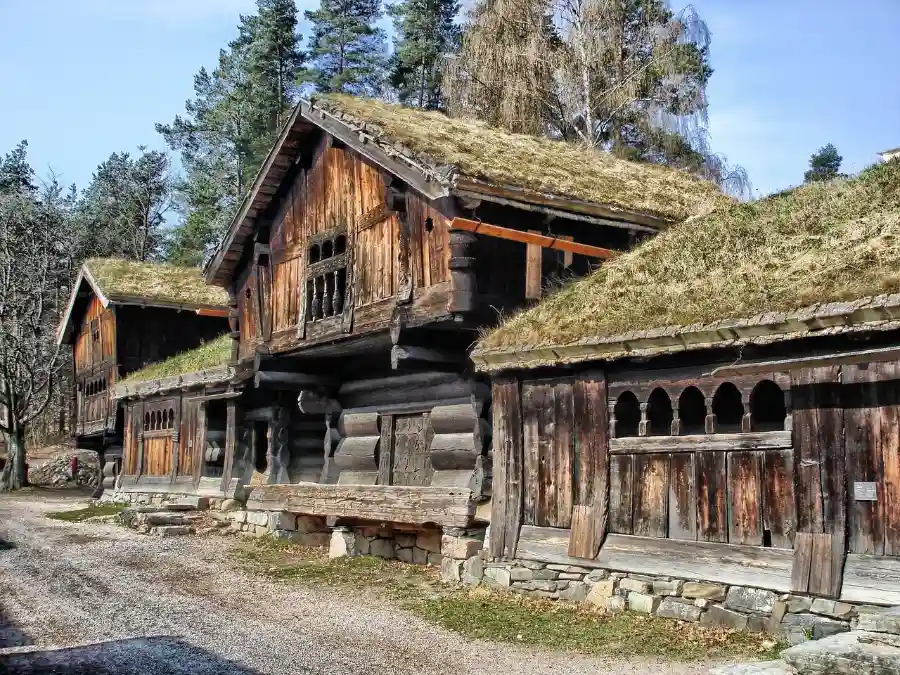
The Norwegian Museum of Cultural History rounds out the peninsula. It’s an open-air collection of historic buildings relocated from across the country, including a wooden stave church worth the walk on its own.
Grünerløkka And Mathallen
If Oslo has a trendy, creative neighborhood, it’s Grünerløkka. I spent a genuinely large chunk of my time there living in the city.
Independent coffee shops, vintage stores, and small design boutiques line the streets here.
A genuinely great restaurant scene keeps evolving alongside them.
Akerselva river runs right through the neighborhood. Walking its length takes you past old industrial buildings now converted into galleries and event spaces.
Mathallen, a covered food hall nearby, deserves its own stop entirely. Local producers, small restaurants, and specialty shops fill the space.
I still stop by whenever I’m back in the city for something I can’t easily find anywhere else.
Akershus Fortress
Right in the city center, Akershus Fortress offers centuries of history within an easy walk of everything else on this list.
Built in the late 1200s, the fortress complex has defended Oslo through sieges. It served as a royal residence, and later held prisoners during the Second World War.

Walking the grounds costs nothing. The views over the harbor from the fortress walls rank among the best free viewpoints in the city.
Holmenkollen
Up in the hills above the city, Holmenkollen offers a completely different side of Oslo from the harbor and museums below.
The ski jump here has hosted major international competitions for over a century. The current structure looks genuinely dramatic rising above the surrounding forest.
A museum inside covers the history of skiing itself, older than most visitors expect.
It also covers polar exploration history connected to some of the same figures honored at the Fram Museum.
Beyond the ski jump, Holmenkollen marks the starting point for extensive forest trails.
Oslo locals use them year-round, cross-country skiing in winter and hiking or mountain biking once the snow clears.

Ekebergparken, One Of The Underrated Things To Do In Oslo
Ekebergparken combines a sculpture park with sweeping views over the city and fjord. It stays underrated among visitors who don’t know to look for it.
Modern and contemporary sculptures sit scattered throughout wooded parkland on a hillside east of downtown.
Each one is placed with real intention relative to the landscape around it.
I’ve come here specifically at sunset more than once.
The light over the fjord makes the whole park feel considerably more dramatic than a typical afternoon visit.
Oslofjord Islands: Quiet Summer Things To Do In Oslo
Ferries from the harbor reach a handful of small islands scattered across the Oslofjord. Spending a summer day on one of them became a regular habit during my years living in the city.
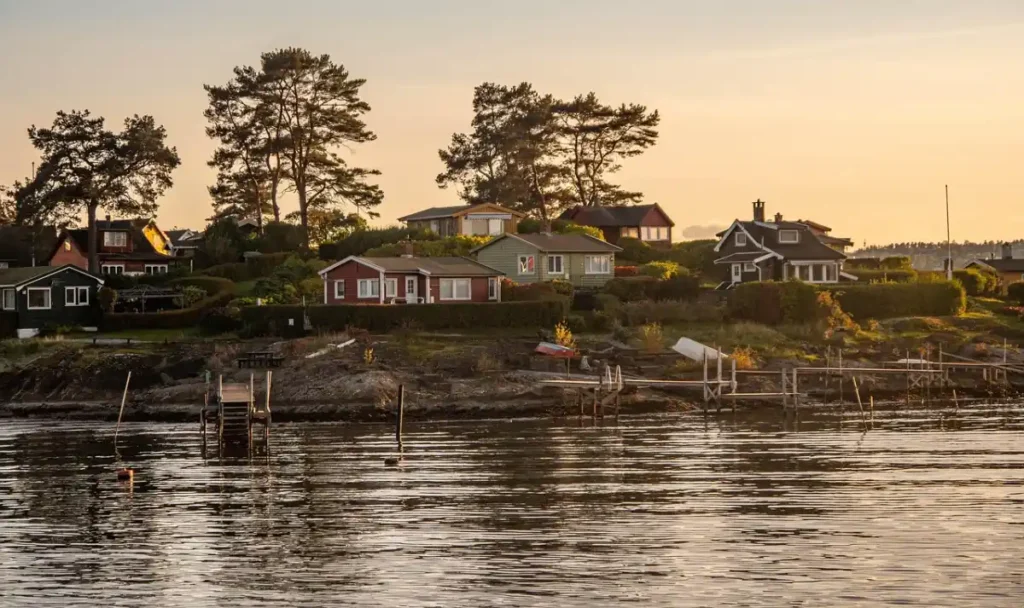
Hovedøya offers ruins, swimming spots, and walking trails within a short ferry ride of downtown. Gressholmen feels even more removed despite the short crossing.
It stays genuinely quiet even during the busiest parts of summer.
These islands rarely make it onto a first-timer’s list. That’s exactly what keeps them so pleasant to visit.
The Munch Museum
Edvard Munch’s work extends well beyond The Scream. The museum dedicated to him now occupies a striking, modern waterfront building near the Opera House.
The collection covers his full career, not just the handful of paintings most visitors already recognize.
I found the building itself worth a visit independent of the art inside it.
The National Museum
Norway’s largest art museum opened its current building a few years ago, consolidating collections that used to be scattered across several smaller sites in the city.
One version of Munch’s The Scream is on display here, alongside a genuinely broad collection spanning Norwegian design, historical painting, and contemporary work.
I’ve watched this museum evolve since it opened, and it’s become one of the more reliable rainy-day recommendations I give visitors, since the building is large enough to fill several hours without ever feeling repetitive.
Aker Brygge And Tjuvholmen
Just along the harbor from the Opera House, Aker Brygge and Tjuvholmen offer a different kind of afternoon than the museums further inland.
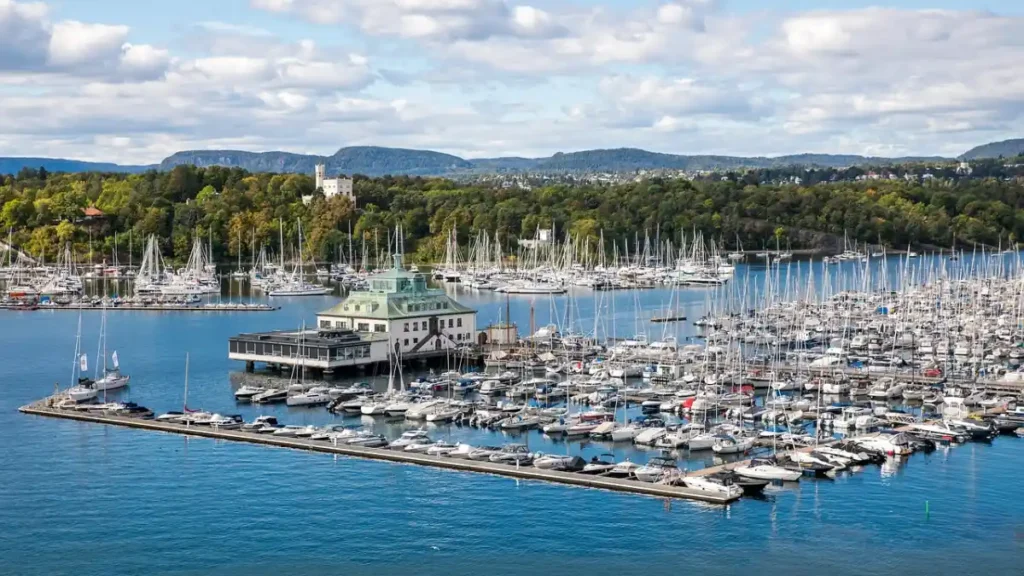
Aker Brygge fills with restaurants and bars right on the water, a popular spot for both locals and visitors on a sunny evening.
Tjuvholmen, just past it, leans more toward contemporary art and architecture, home to the Astrup Fearnley Museum and a small, quiet public beach that surprises people who don’t expect swimming to be an option this close to downtown.
Practical Tips For Things To Do In Oslo
A few details about visiting Oslo would have saved me explaining the same things to visitors over and over. For official visitor information, Visit Oslo is a good place to start.
Public transport here runs reliably and covers the whole city well. A car genuinely isn’t necessary for most visits.
Oslo also runs expensive by most standards. Budgeting a bit more than you might for other European capitals avoids an unpleasant surprise partway through your trip. Summer daylight stretches remarkably long, useful for packing more into a single day.
Winter compresses daylight hours considerably, though, and rewards embracing the cold rather than fighting it.
Many of the city’s best museums and parks sit within a genuinely walkable distance of each other. Pace your days by neighborhood rather than jumping across the city constantly.
What I’d Tell A First-Timer
Looking back at years of hosting visitors here, a few pieces of advice come up again and again.
Buy a transit pass covering multiple days rather than single tickets each time, since the savings can add up fast if you’re moving around the city daily.
Book any Munch Museum or Viking Ship Museum tickets in advance during summer, when lines can eat up a frustrating chunk of an afternoon.
Pack layers no matter the season, since Oslo’s weather shifts fast even on days that start out clear and sunny.
Finally, don’t skip a fjord island just because it isn’t on a typical itinerary.
Those quiet afternoons ended up being what most of my visitors remembered longest.
If you’re building a wider Norway trip, our guide to the best beaches in Norway covers more coastline worth adding.
Getting Around The City
Oslo’s public transport network covers trams, buses, the metro, and ferries under one ticketing system, which makes hopping between neighborhoods easier than it sounds at first.
Check Ruter for current tickets and passes. I used a monthly pass for most of my time living there, and even for a short visit, a multi-day pass can pay for itself quickly once you factor in a museum trip to Bygdøy and at least one fjord island crossing.
Walking remains genuinely pleasant too, particularly between the harbor, Akershus Fortress, and the National Museum, all close enough to cover on foot in a single unhurried afternoon.
FAQ: Things To Do In Oslo
What are the best free things to do in Oslo?
Vigeland Park, Akershus Fortress, Ekebergparken, and walking the harbor near the Opera House all cost nothing. They rank among the most memorable options in the city regardless of budget.
How many days do you need in Oslo?
Three to four days covers the major museums, neighborhoods, and at least one fjord island comfortably. A longer stay allows a more relaxed pace and time for Holmenkollen’s surrounding trails.
Are there good things to do in Oslo in winter?
Yes, particularly if you enjoy snow sports or simply want to see the city in a different light. Many attractions, including Holmenkollen’s ski history, feel more fitting during the colder months than in summer.
What is Oslo best known for?
Oslo is best known for the Vigeland sculpture park, its Viking ship collections, Edvard Munch’s artwork, and its easy access to fjord islands and surrounding nature within the city limits.
Final Thought
Years of living in Oslo taught me that the city rewards patience more than a rushed checklist ever could. Skip the assumption that a day or two covers everything worth seeing here.
Build in time for at least one fjord island, one proper neighborhood wander, and one museum you didn’t already know you’d love.
You’ll come away with a version of the city that most short visits never quite reach.

Hi, I’m Ravi Teja, a freelancer and budget traveller. I’ve explored 20+ countries so far, and I pay for every trip with income from my side hustles. On Escape Cents, I share honest guides to places I’ve actually been, plus the money tips that keep my travels affordable.
Discover more from Escape Cents
Subscribe to get the latest posts sent to your email.