
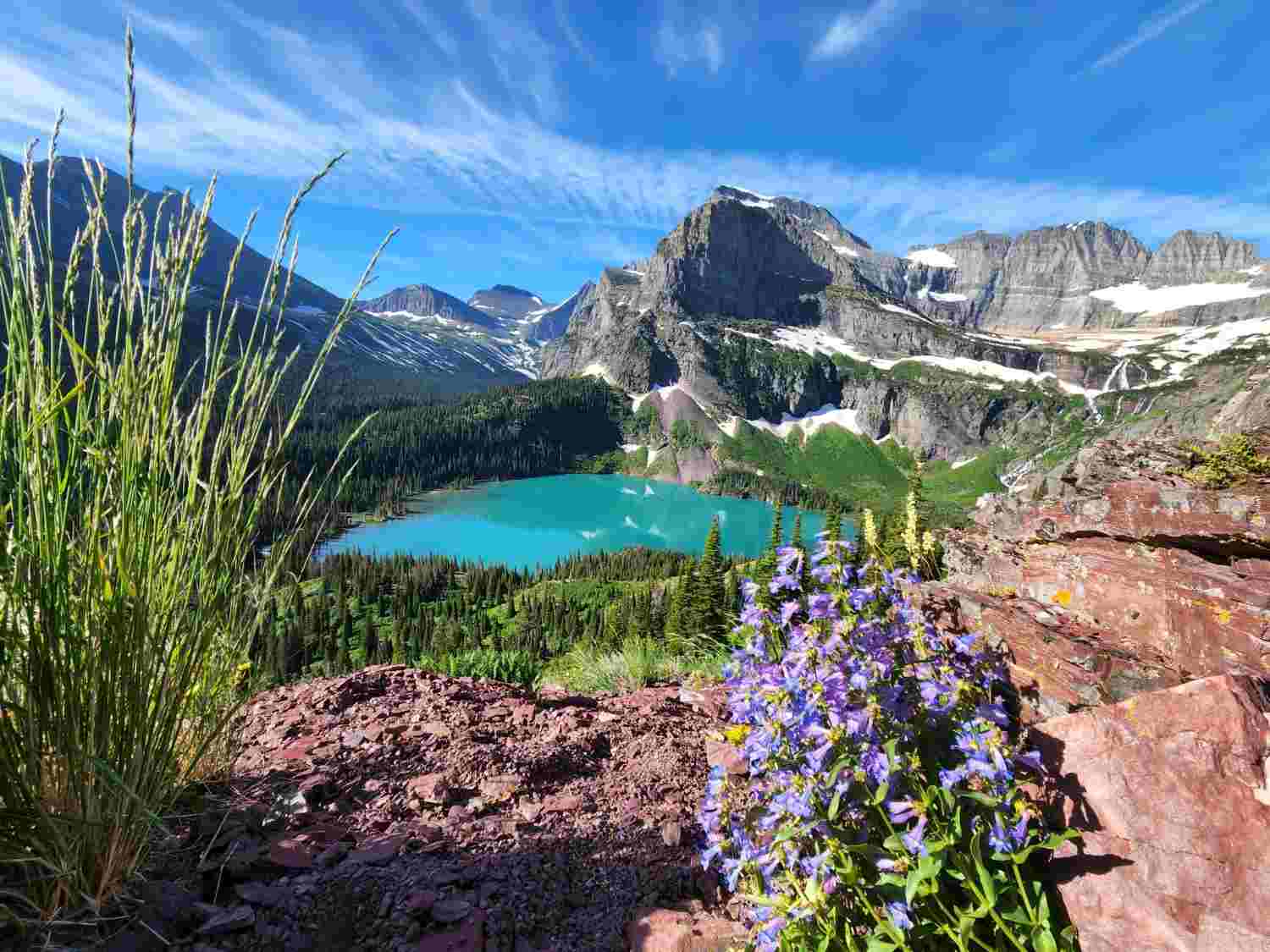
A grizzly bear ambled across a meadow half a mile off. A small line of cars pulled onto the shoulder to watch, unbothered by the distance. Nobody spoke above a whisper. That was Glacier National Park on my second morning of this Montana road trip itinerary, and it set a tone the rest of the trip never quite matched, though it came close more than once.
Montana moves at a different scale than most road trip destinations.
Distances stretch further, towns sit further apart, and the landscape shifts from jagged glacial peaks to rolling prairie within a few hours of driving.
This guide lays out a real route built around that scale, rather than trying to rush through it like a smaller state.
How Long This Route Actually Takes
This itinerary is built for eight to ten days. Montana genuinely needs that much time given how spread out everything is.
Five to six days works if you cut either Glacier or the Yellowstone leg.
Focus on one half of the state instead of both. Anything shorter turns the trip into a series of long drives with barely any time spent outside the car.
That defeats the purpose of coming to Montana in the first place.
Leg 1: Glacier National Park
Start in the northwest corner of the state, at Glacier National Park, arguably Montana’s single biggest draw.
Going to the Sun Road
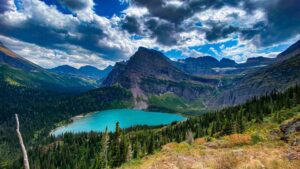
Going to the Sun Road is the park’s signature drive, climbing over the Continental Divide with views that genuinely earn every bit of their reputation.
The road typically opens fully by late June and closes by mid-October.
Check current conditions before planning your dates around it.
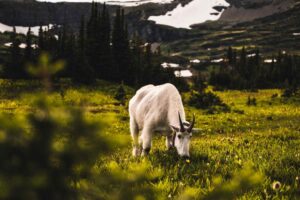
Stop at Logan Pass near the road’s highest point for short hikes to alpine meadows. These often still hold patches of snow well into July.
Many Glacier and Lake McDonald
Many Glacier, on the park’s eastern side, offers some of the best wildlife viewing in the entire park. Trailheads here lead to genuinely spectacular alpine lakes.
Grizzly and black bear sightings happen regularly, so carrying bear spray isn’t optional.
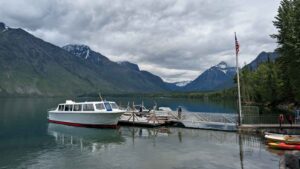
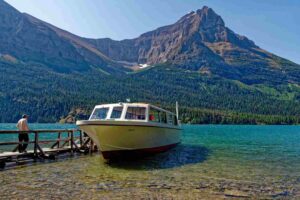
Lake McDonald, near the west entrance, makes a scenic, easier stop for travelers with less hiking time. Its clear water reflects the surrounding peaks on calm mornings.
Base yourself in Whitefish or Kalispell for a few nights here. Both offer a wider range of lodging than anything inside the park itself.
Leg 2: Missoula and the Bitterroot Valley
Heading south from Glacier, Missoula offers a welcome shift from wilderness. It’s an actual college town with a genuinely good food and brewery scene.
A Day to Slow Down
Missoula makes a natural rest stop between the two national parks anchoring this itinerary. Spend a day walking the riverfront trail system.
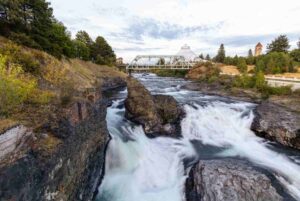
Browse downtown’s independent shops, and eat somewhere other than a gas station for once.
The Bitterroot Valley, just south of the city, offers quieter mountain scenery and considerably fewer crowds than either national park on this route. It’s worth a detour if you have an extra day to spare.
Leg 3: Big Sky and Bozeman
Continue southeast toward Bozeman, a hub for outdoor recreation and one of the fastest-growing small cities in the state.
Bozeman’s Access to the Outdoors
Bozeman puts you within reach of excellent hiking and the Gallatin River for fishing or floating. Its downtown is genuinely walkable, with strong local restaurants throughout.
It’s worth at least a full day, even if the national parks are the main draw of your trip.
Big Sky, roughly an hour south, serves as a gateway toward Yellowstone’s less crowded northern approach. It has its own mountain scenery and hiking trails worth a stop on the way through.
Leg 4: Yellowstone’s Northern Entrance
Yellowstone technically sits mostly in Wyoming. Its northern entrance near Gardiner, Montana still makes it a natural extension of this route.
Mammoth Hot Springs and Lamar Valley
Mammoth Hot Springs, just inside the park’s north entrance, offers travertine terraces unlike anything else in Yellowstone.
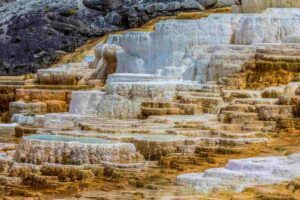
Mineral-rich hot springs formed them, depositing limestone over centuries.
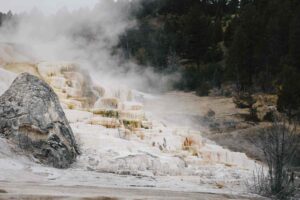
Lamar Valley, often called America’s Serengeti, offers some of the best wildlife viewing in the entire park. Wolves, bison herds, and pronghorn all show up here, particularly at dawn or dusk.
This entrance also stays open year-round, unlike several of Yellowstone’s other gates. That makes it a genuinely practical choice depending on your travel dates.
Practical Tips for Montana Road Trip Itinerary
Fill up on gas more often than feels necessary. Rural Montana has long stretches between towns, and running low on a remote highway isn’t a risk worth taking.
Check road conditions before finalizing your route. Mountain passes like Going-to-the-Sun Road close seasonally, and weather can shift quickly even in summer months.
Carry bear spray and know how to use it. Both Glacier and Yellowstone have active grizzly populations, and carrying spray is standard practice for anyone hiking in the backcountry.
Book Glacier and Yellowstone lodging months in advance. Both parks see enormous demand in peak summer, and in-park lodges often sell out six months to a year ahead.
Pack layers regardless of season. Mountain weather changes fast, and temperatures at higher elevations can differ dramatically from the valley towns below.
What to Expect Outside the National Parks
Montana’s identity extends well beyond its two headline parks. Skipping the in-between towns misses a real part of the state’s character.
Small ranching towns along the route still operate much as they have for decades. Diners, hardware stores, and a noticeably slower pace define most of them, especially anywhere away from a park entrance.
Stopping in one of these towns, even briefly, offers a version of Montana that doesn’t show up in most trip photos. It tends to stick with travelers regardless.
Cell service drops out entirely across large stretches of rural highway. This is worth planning around rather than fighting.
Download offline maps before leaving Missoula or Bozeman. That single step saves real frustration once you’re deep into the more remote sections of this route.
Local diners and small-town cafes are worth seeking out along the drive, too, particularly in towns that see far fewer visitors than Whitefish or Bozeman.
A slow breakfast at a family-run spot in one of these towns often ends up being a more memorable stop than anything on the official itinerary, simply because it’s unplanned and genuinely local.
Fitting In Bighorn Country and the Eastern Plains
Most first-time visitors stick to the western half of Montana, where Glacier and the mountain towns sit. The state’s eastern plains offer a genuinely different experience for travelers with extra time, though.
Rolling grassland stretches for miles out here, punctuated by small towns and the occasional dramatic rock formation rising unexpectedly from flat terrain.
Custer Gallatin National Forest and the Bighorn area near the Wyoming border reward travelers willing to add a few extra driving days onto this itinerary.
Both offer a quieter, less touristed version of Montana than anything covered on the main route above.
This eastern extension isn’t necessary for a first Montana trip, but it’s worth knowing about for a return visit once the mountain highlights are checked off.
Where to Fly In and Getting Around
Glacier Park International Airport in Kalispell offers the most convenient entry point for this route. It sits close to the national park itself.
Bozeman Yellowstone International Airport works well as an alternative.
It’s a better fit if you’re spending more time in the southern half of this itinerary, near Big Sky and Yellowstone.
Some travelers choose to fly into one airport and out of the other, since this route runs roughly north to south across the state anyway.
That approach avoids backtracking and can work out well if flight availability allows it.
A standard rental car handles this entire route without trouble.
An SUV with slightly higher clearance does offer extra peace of mind on some of the gravel forest roads branching off the main highways, though.
Four-wheel drive isn’t strictly necessary for the route as outlined here.
It does open up a few additional backcountry detours for travelers interested in them.
FAQ: Montana Road Trip Itinerary
How many days do you need for a Montana road trip?
Eight to ten days covers Glacier, Missoula, Bozeman, and Yellowstone’s northern entrance at a reasonable pace. Five to six days works if you focus on just one park rather than both.
Is Glacier or Yellowstone better for a first-time visitor?
Both offer distinct experiences. Glacier leans toward dramatic alpine scenery and glacial lakes, while Yellowstone offers geothermal features and generally more reliable wildlife viewing. Many travelers combine both on a single Montana road trip itinerary, as this guide outlines.
What is the best time of year for this route?
Late June through September offers the most reliable access, since Going-to-the-Sun Road typically doesn’t fully open until late June and can close again by mid-October.
Do you need a permit for Going-to-the-Sun Road?
During peak summer months, Glacier National Park has implemented a vehicle reservation system for this road on certain dates. Checking current requirements before your trip is essential.
Final Thought
I’ll be honest about something most guides skip: this trip is exhausting in a good way, and it doesn’t apologize for that.
Montana isn’t a place you check off in a long weekend, and trying to force it into one usually backfires into hours of driving with nothing to show for it.
Slow down, budget more days than feels necessary, and let the state’s actual scale set your pace instead of a spreadsheet.
That’s the real difference between a good Montana road trip itinerary and one you’ll want to redo differently next time.
If you’re planning another high-altitude drive next, our Colorado road trip guide covers similar terrain further south.
Discover more from Escape Cents
Subscribe to get the latest posts sent to your email.
1 thought on “Bucket-List Montana Road Trip Itinerary”