
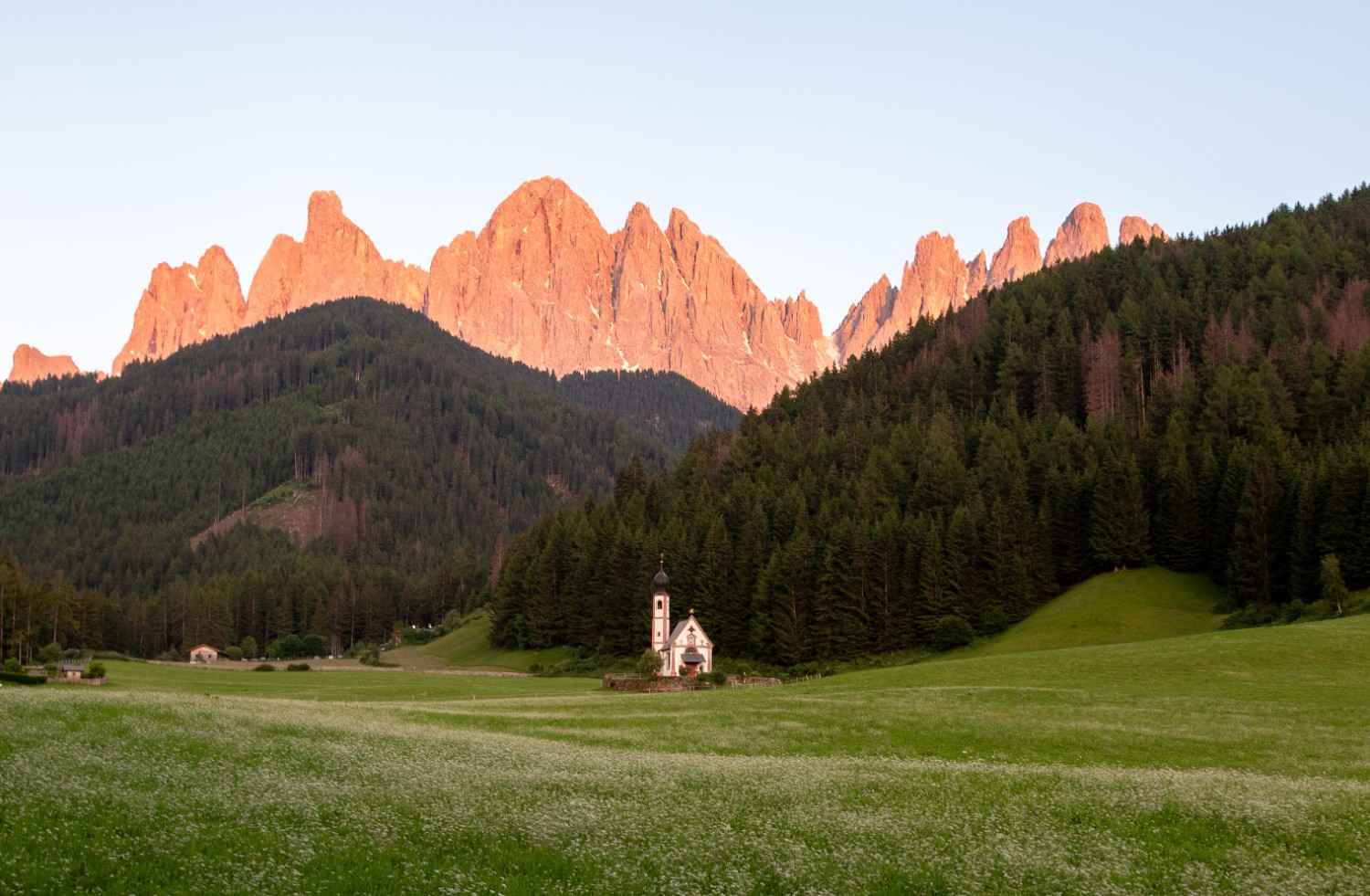
Choosing where to stay in the Dolomites felt more complicated than I expected at first.
Each valley seemed beautiful in its own way, but once I compared the driving times, nearby hikes, transport and atmosphere, the differences became much clearer.
Val Gardena stood out as the easiest base for a first trip, especially for Seceda and Alpe di Siusi.
Cortina d’Ampezzo felt better suited to the dramatic eastern Dolomites, while Alta Pusteria made the most sense for Tre Cime and Lago di Braies.
Alta Badia appealed to me for its quieter villages, refined hotels and food, while San Martino di Castrozza offered a wilder, less crowded side of the mountains.
For slower mornings and rural scenery, Val di Funes felt especially memorable, and Val di Fassa looked like the strongest option for variety and better-value accommodation.
In this travel itinerary guide, I’ll help you decide where to stay in the Dolomites based on the kind of trip you actually want.
Where Is the Best Place to Stay in the Dolomites?
For most first-time visitors, Val Gardena is the best place to stay in the Dolomites.
It offers the right balance of mountain scenery, easy transport, lively villages and quick access to famous places such as Seceda, Alpe di Siusi and the Sassolungo peaks.
Ortisei is the most convenient choice if you want restaurants, shops and cable cars within easy reach.
Santa Cristina feels quieter and more relaxed, while Selva di Val Gardena suits travellers who want to stay closer to hiking trails and the Sellaronda ski route.
That said, the best area to stay in the Dolomites depends on what you want from your trip.
Cortina d’Ampezzo is better for the eastern Dolomites, Alta Pusteria is ideal for Tre Cime and Lago di Braies, and Alta Badia is perfect for food, luxury hotels and peaceful mountain villages.
For a short three- or four-night trip, choose one well-positioned base.
With five days or more, splitting your stay between Val Gardena and Cortina or Alta Pusteria will save driving time and let you experience two very different sides of the Dolomites.
Quick recommendations
- Best overall for first-time visitors: Val Gardena
- Best for the eastern Dolomites: Cortina d’Ampezzo
- Best without a car: Val Gardena or Alta Pusteria
- Best for Tre Cime: Dobbiaco or San Candido
- Best for Seceda: Ortisei
- Best for luxury and food: Alta Badia
- Best for families: Alpe di Siusi
- Best for quiet scenery: Val di Funes
- Best for dramatic hiking: San Martino di Castrozza
- Best for skiing: Val Gardena, Alta Badia or Arabba
- Best value: Val di Fassa or villages outside Cortina
How to Choose Where to Base Yourself in the Dolomites
The easiest way to choose where to base yourself in the Dolomites is to start with the places you most want to see.
The region is spread across several valleys, and a town that looks nearby on the map can still be more than an hour away by mountain road.
For Seceda and Alpe di Siusi, Val Gardena is the most practical choice. If Tre Cime di Lavaredo and Lago di Braies are at the top of your list, Alta Pusteria will save you valuable driving time.
Cortina d’Ampezzo is better for Cinque Torri, Passo Giau and Lago di Sorapis, while Alta Badia suits travellers looking for quieter villages, scenic hiking and excellent food.
Your trip length matters too. For three or four nights, choose one best base in the Dolomites and explore that area properly.
With five to seven nights, divide your stay between the eastern and western Dolomites.
Also check public transport, nearby cable cars and hotel minimum-stay rules before booking.
The right base should make your days easier, not leave you spending half the trip behind the wheel.
The Best Dolomites Base for First-Time Visitors
Val Gardena
Val Gardena is the best Dolomites base for first-time visitors because it brings scenery, transport and village life together in one easy place.
Ortisei is the most convenient choice, with restaurants, shops and cable-car access to Seceda and Alpe di Siusi.
Santa Cristina feels quieter, while Selva di Val Gardena suits hikers and skiers who want to stay closer to the mountains.
What makes Val Gardena so appealing is how little time you waste getting around.
Local buses connect the three villages, and many trails and viewpoints are reached directly by lift, making it one of the easiest places to explore without a car.
The area can feel busy and expensive during peak summer and ski season, but for a first Dolomites trip, it remains one of the most practical and rewarding choices.
Best for: First-time visitors, hiking, public transport and couples
Nearby highlights: Seceda, Alpe di Siusi, Sassolungo and Passo Gardena
Ideal stay: Three to five nights
Skip it if: You mainly want Tre Cime, Lago di Braies or the eastern Dolomites
Best for the Eastern Dolomites
Cortina d’Ampezzo:
Cortina d’Ampezzo is one of the best places to stay in the eastern Dolomites, especially when Cinque Torri, Passo Giau and Lago di Sorapis sit high on your itinerary.
Unlike the region’s quieter villages, Cortina has a lively centre filled with cafés, restaurants and shops, so your evenings still feel enjoyable after a long day in the mountains.
What makes Cortina especially convenient is the variety surrounding it.
You can walk beneath the striking towers of Cinque Torri, follow scenic roads towards Passo Falzarego or spend a slower morning wandering through town.
A car gives you more freedom for early starts and remote trailheads, although local transport serves selected routes.
The trade-off is price. Cortina can be expensive during peak season, so travellers watching their budget may prefer nearby San Vito di Cadore.
Best for: Eastern Dolomites, couples, restaurants and photographers
Nearby highlights: Cinque Torri, Passo Giau, Lagazuoi and Lago di Sorapis
Ideal stay: Three to four nights
Skip it if: You want a budget trip or your priority is Seceda and Alpe di Siusi
Best for Food, Luxury and Couples
Alta Badia:
Alta Badia is one of the best areas to stay in the Dolomites for couples, especially if you want peaceful villages, beautiful mountain views and memorable food.
Corvara is the most convenient base, with easy access to lifts, restaurants and the Sellaronda, while San Cassiano feels quieter and more romantic.
What makes Alta Badia stand out is its refined atmosphere.
You will find elegant spa hotels, cosy family-run stays and some of the best dining experiences in the region, all surrounded by the dramatic Sella Group.
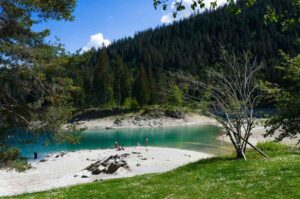
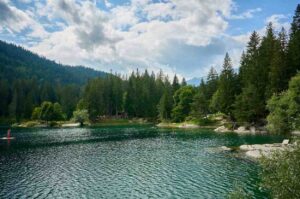
It is also a strong choice for hiking and skiing, so the area works well in both summer and winter.
Public transport is available, but a car gives you more freedom to explore nearby passes and villages.
The only drawback is cost, as Alta Badia can be expensive during peak season.
Best for: Food lovers, couples, luxury hotels and skiing
Nearby highlights: Sella Group, Passo Gardena, Fanes and Sellaronda
Ideal stay: Three to five nights
Skip it if: You want nightlife, a large town or the cheapest accommodation
Best Place to Stay Near Tre Cime and Lago di Braies
Alta Pusteria:
Alta Pusteria is the best place to stay near Tre Cime and Lago di Braies, especially when these iconic landmarks are the heart of your itinerary.
Dobbiaco makes the most practical base, with useful transport connections and seasonal shuttle access to the main Tre Cime trailhead.
For a livelier atmosphere, San Candido offers a charming centre lined with cafés, restaurants and colourful alpine buildings.
Sesto feels quieter and places you closer to peaceful valleys and mountain trails.
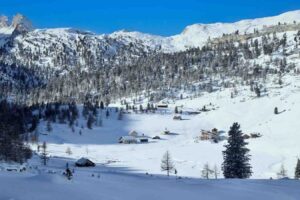
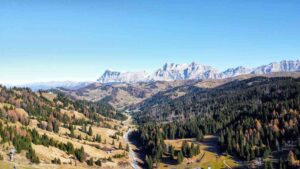
This is also one of the easiest areas to explore without driving every day.
Trains and buses connect the main villages, while seasonal services help visitors reach Tre Cime and Lago di Braies.
The only drawback is distance: Alta Pusteria is not convenient if Seceda and Alpe di Siusi are your main priorities.
Best for: Tre Cime, Lago di Braies, families and public transport
Nearby highlights: Tre Cime, Lago di Braies, Lago di Dobbiaco and Val Fiscalina
Ideal stay: Three to four nights
Skip it if: Seceda, Alpe di Siusi and Val Gardena are your main priorities
For Hiking and Fewer Crowds
San Martino di Castrozza:
San Martino di Castrozza is a wonderful Dolomites base for hiking if you prefer rugged landscapes without the constant bustle of Cortina or Val Gardena.
The village sits beneath the dramatic Pale di San Martino, where sharp limestone towers rise almost directly behind the rooftops.
From here, you can explore scenic trails around Passo Rolle, Val Venegia and the Paneveggio Pale di San Martino Nature Park.
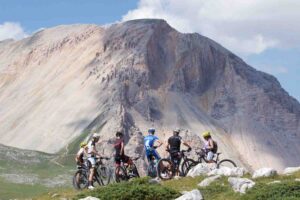
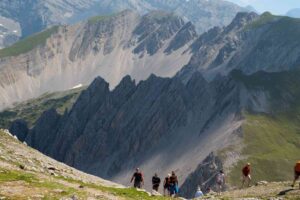
The atmosphere feels quieter and more mountain-focused, making it especially appealing to experienced hikers, couples and travellers searching for less crowded places to stay in the Dolomites.
A car is useful for reaching trailheads and nearby valleys, although lifts provide access to several higher routes.
The main drawback is location. San Martino is not convenient for day trips to Seceda, Tre Cime or Lago di Braies.
Best for: Hiking, climbing, mountain scenery and quieter trips
Nearby highlights: Pale di San Martino, Passo Rolle and Val Venegia
Ideal stay: Two to four nights
Skip it if: You are trying to see the Dolomites’ most famous landmarks in one short trip
For Hiking and Ski Access
Val di Fassa:
Val di Fassa is a smart choice for travellers looking for affordable Dolomites accommodation without giving up easy access to mountain scenery.
The valley stretches through several lively villages, including Canazei, Campitello di Fassa, Pozza di Fassa and Moena, giving you plenty of hotels, apartments and family-run guesthouses to compare.
Canazei works well for hiking, skiing and reaching the Sellaronda, while Moena offers a more relaxed town atmosphere with cafés, shops and restaurants.
Families may prefer Pozza di Fassa for its quieter pace and practical facilities.
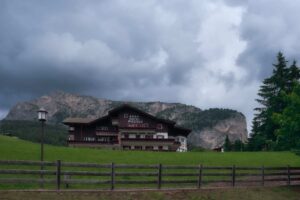
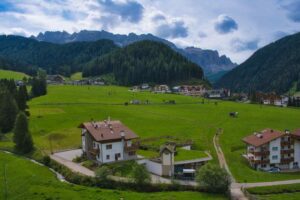
Regular buses and seasonal lifts make it possible to explore many nearby trails without driving every day.
However, the valley can feel busy during peak summer and ski season.
For longer trips, Val di Fassa offers variety, convenience and better value than some of the more famous Dolomites resorts.
Best for: Families, value, skiing and longer stays
Nearby highlights: Sella Pass, Marmolada, Catinaccio and Sellaronda
Ideal stay: Three to five nights
Skip it if: You want a tiny, secluded mountain village
Val di Funes: Photography and Rural Stays
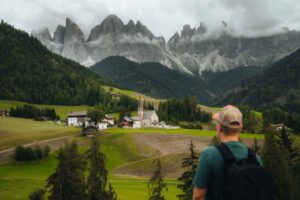
Val di Funes is one of the most peaceful places to stay in the Dolomites, especially for photographers, couples and travellers who prefer quiet scenery over busy resort towns.
The valley is known for its green meadows, traditional farmhouses and the striking Odle peaks rising behind Santa Maddalena.
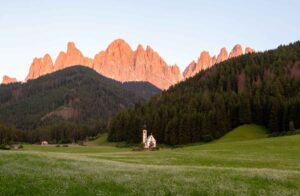
Staying here feels slower and more intimate.
Mornings are calm, walking trails begin close to the villages, and the landscape is especially beautiful around sunrise and sunset. Santa Maddalena is the most scenic base, while San Pietro offers a few more local services.
Val di Funes is also a lovely choice for farm stays and rural Dolomites accommodation.
A car is helpful, as public transport is more limited than in Val Gardena.
The main drawback is distance from major attractions such as Tre Cime, Cortina and Lago di Braies.
Nearby highlights: Odle peaks, Puez-Odle Nature Park and Santa Maddalena viewpoints
Ideal stay: Two to three nights
Skip it if: You want nightlife, many restaurants or easy access to several distant regions
Best for: Photographers, couples, farm stays and quiet hiking
Where to Stay in the Dolomites Without a Car
You do not need a car for every Dolomites trip, but you must choose your base carefully.
Val Gardena is the strongest overall car-free option. Alta Pusteria is another excellent option because regional trains connect Dobbiaco, San Candido, Villabassa and other towns.
A car-free trip works best when you:
- Avoid changing hotels too frequently.
- Stay close to a bus stop or railway station.
Where to Stay in the Dolomites on a Budget
The most famous villages are not always the best places for affordable Dolomites accommodation.
Instead of central Cortina, consider San Vito di Cadore, which sits farther down the valley.
Rather than booking directly in Ortisei, compare apartments and guesthouses in Santa Cristina or villages on the approach to Val Gardena.
- Visit in late June, September or another shoulder period
- Avoid weekend-only stays during peak summer
Should You Stay in One or Two Dolomites Bases?
For three days, choose one base: Val Gardena for Seceda, Cortina for the eastern Dolomites, or Dobbiaco for Tre Cime.
Living five days, split your stay between two areas, such as Val Gardena and Cortina.
Spending seven days, combine the western and eastern Dolomites to reduce driving and give yourself more flexibility.
Eastern vs Western Dolomites: Which Side Is Better?
Choose the western Dolomites for Val Gardena, Seceda, Alpe di Siusi, Sassolungo and easier public transport.
Choosing the eastern Dolomites for Cortina, Tre Cime, Lago di Braies, Cinque Torri and scenic mountain drives.
For a first car-free hiking trip, the west is usually easier.
For iconic lakes and dramatic road-trip scenery, the east may suit you better. With a full week, combine both.
Where to Stay in the Dolomites in Summer vs Winter
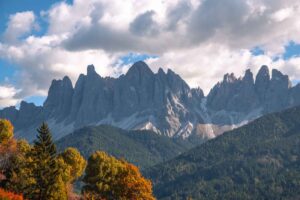
In summer, choose Val Gardena for Seceda, Cortina for eastern trails, Alta Pusteria for Tre Cime and Lago di Braies, San Martino for challenging hikes, or Alpe di Siusi for easy family walks.
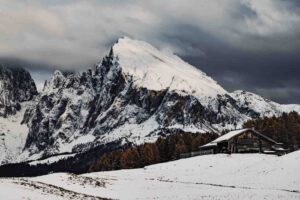
In winter, Selva, Corvara, Arabba, Canazei, San Cassiano and Cortina are strong ski bases. Book accommodation close to a lift or ski-bus stop.
Always check seasonal cable-car, hut and hotel openings, especially in spring and late autumn when many services close.
Common Mistakes To Avoid
Choosing a town before planning the itinerary
List your priority hikes and attractions first. Then select the village that reduces daily travel.
Booking too many bases
Moving hotels every night wastes time and makes weather-related changes difficult.
Booking only for the view
A beautiful remote chalet may look perfect online, but check restaurant access, road conditions, parking and public transport before confirming it.
FAQ
What is the cheapest place to stay in the Dolomites?
Val di Fassa, San Vito di Cadore and villages outside the main resort centres often offer better-value apartments and guesthouses. Prices vary by season and booking time.
Can you visit the Dolomites without a car?
Yes. Val Gardena and Alta Pusteria are the easiest car-free bases, with buses, trains, lifts and seasonal shuttles. A car is still useful for remote trailheads.
What is the best town to stay in the Dolomites?
Ortisei is ideal for first-time visitors, with restaurants, buses and lift access to Seceda and Alpe di Siusi. Choose Cortina for the eastern Dolomites.
Are the Dolomites Expensive in Summer?
Yes, especially in July and August. Save money by booking early, staying in smaller villages, or travelling in June or September.