
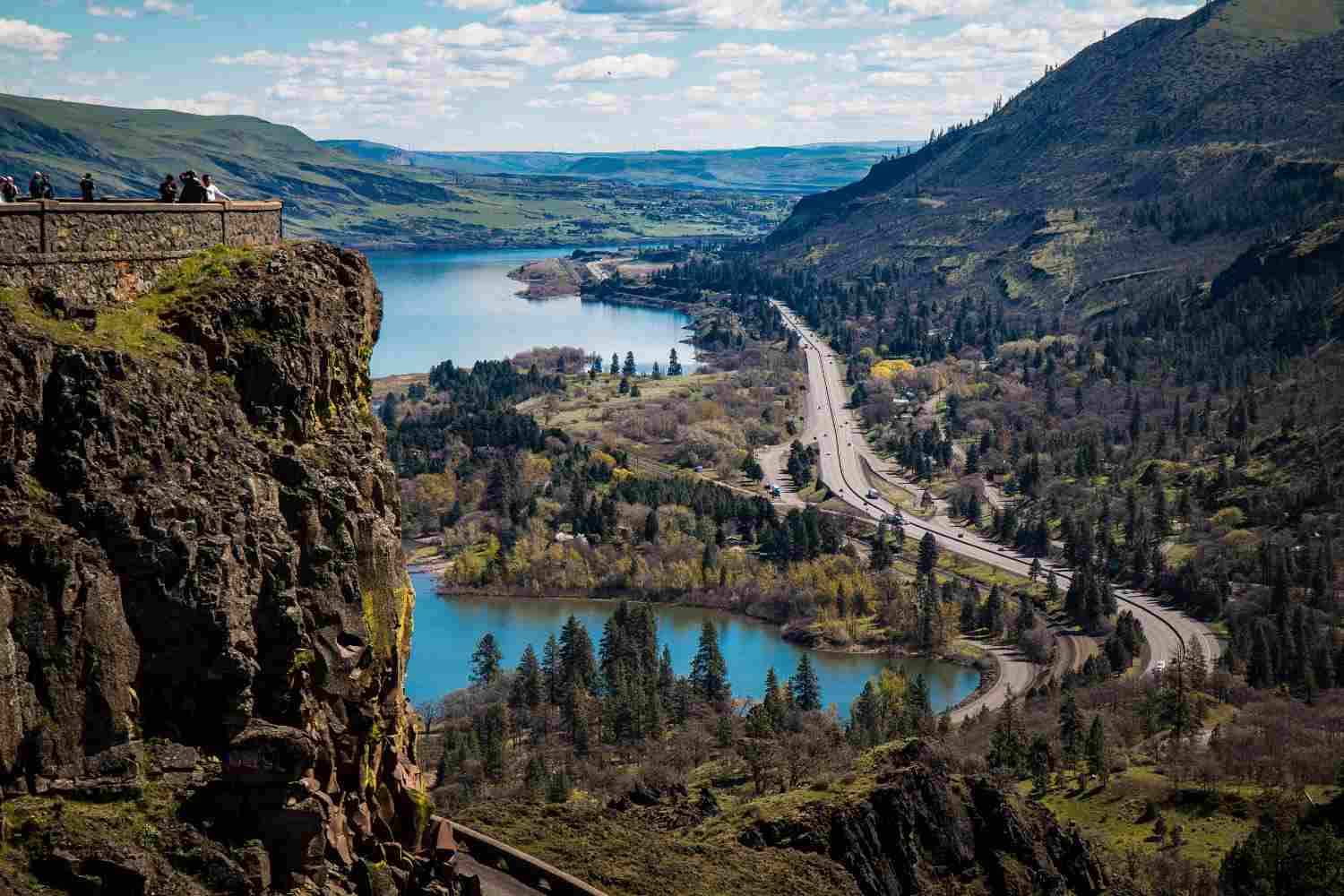
Planning an Oregon road trip itinerary sounds simple on paper. Then you realize how much the state actually packs into one route.
Coastline that looks like it belongs in Ireland. Waterfalls you can pull over and see from the road.
A wine region quiet enough that you’ll forget it’s twenty minutes from a major city.
I built this route after one too many rushed weekends. I came home more tired than relaxed every single time. This version is the one I’d actually repeat.
It’s paced so you get to enjoy the state instead of just checking landmarks off a list.
This guide walks through a real, drivable route, not a theoretical one.
Every stop below is somewhere I’ve actually pulled the car over for.
Why Planning Feels Harder Than It Should
Oregon does not fit neatly into one kind of trip. That is exactly what makes route planning feel harder than it should.
Rugged coastline sits on one side. Dense forest and waterfalls fill the middle. Wine country tucks into rolling hills, and a genuinely great city sits right in the middle of it all.
Most guides pick one region and ignore the rest. Others try to cover everything and end up rushing through all of it.
The fix isn’t seeing more. It’s choosing a sequence that flows logically from one region into the next.
The driving itself becomes part of the trip that way, instead of the part you’re trying to survive.
How Long You Need for This Route
This plan is built for seven days, though it flexes well if you have more or less time.
Five days gets you the highlights at a faster pace. Ten days lets you slow down considerably.
The coast especially rewards that slower pace, since it’s easy to lose an entire afternoon to one viewpoint.
Avoid attempting this in under five days.
You’ll spend more time driving than actually being anywhere.
That defeats the point of a road trip in the first place.
Day 1 and 2: Oregon Coast Road Trip
Start on the coast. It sets the tone for the whole journey. You get the most dramatic scenery early, while everyone in the car is still fresh.
Cannon Beach and Ecola State Park
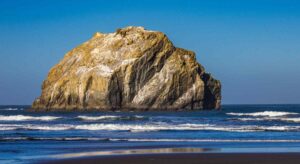
Cannon Beach is the obvious first stop, and it earns the hype.
Haystack Rock rises straight out of the sand. Low tide reveals tide pools worth exploring if you time your visit right.
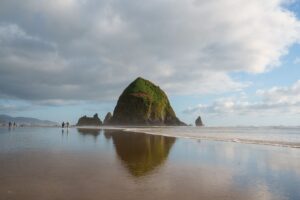
Arrive early here. This is one of the most photographed spots on the entire Oregon coast, and parking fills up fast by mid-morning.
Head south from there toward Ecola State Park.
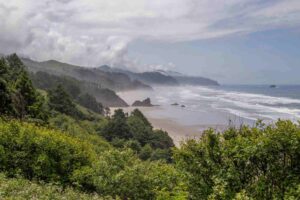
This short detour rewards you with coastal viewpoints stretching for miles in both directions.
It’s an easy walk from the parking area.
That makes the stop worth it even if you’re not up for a longer hike that day.
Cape Kiwanda, Newport, and Florence
Continue down the coast to Cape Kiwanda and Pacific City. It’s a quieter alternative to Cannon Beach, with its own massive sand dune you can climb for sweeping ocean views.
Overnight near Lincoln City or Newport. Both are solid bases with a good range of places to stay, useful if you’d rather not backtrack later.
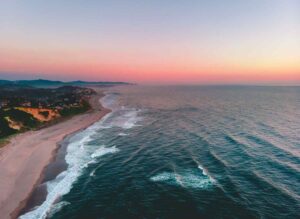
On day two, continue south to the Oregon Coast Aquarium in Newport if traveling with kids. Then keep driving toward Yachats and Heceta Head Lighthouse.
It’s one of the most photographed lighthouses on the entire West Coast, perched dramatically above the water.
End day two near Florence, home to the Oregon Dunes, one of the largest dune systems in the country.
It offers a strange, beautiful contrast to the rest of the coastline you’ve just driven through.
Day 3: Willamette Valley Wine Country
From Florence, cut inland toward Willamette Valley wine country, one of the most underrated stretches of this entire trip.

Where to Taste and Where to Stay
The valley produces some of the best pinot noir in the country. Unlike more crowded wine regions, it still feels relaxed.
You can show up to a tasting room without a reservation most weekdays.
You’ll actually get to talk to the person pouring your wine.

Base yourself somewhere central like McMinnville or Dundee.
Both are well positioned for exploring the willamette valley wineries without a long drive between stops.
This region tends to have a wider range of boutique inns and vineyard stays than the coast.
Book a few weeks ahead if traveling in peak season.
Spend the afternoon visiting two or three wineries rather than rushing through five.
This is a slower day by design, a deliberate pause between the coastal driving and the city stretch ahead.
Day 4 and 5: Portland Oregon Itinerary
From the Willamette Valley, it’s a short drive into Portland. This is where the pace shifts again, from open road and coastline to an actual city to explore on foot.
Pearl District, Rose Garden, and Food Carts
Spend your first afternoon in the Pearl District. Browse bookstores and grab coffee at one of the city’s genuinely excellent roasters.
Powell’s City of Books is worth the hype. Plan on losing an hour in there without meaning to.
The next morning, head to the International Rose Test Garden in Washington Park. This spot is especially rewarding in late spring or summer, when it’s in full bloom.


A skyline and mountain view stretches out behind the flowers.
Portland’s food cart culture deserves its own afternoon. Pods scattered across the city offer a rotating mix of cuisines.
It remains one of the best ways to eat well without committing to a sit-down reservation.
Deals in Portland Oregon and Where to Stay
Looking for deals in Portland Oregon during your stay? The city’s food carts and happy hour menus tend to offer far better value than its sit-down restaurants.
Quality doesn’t take a hit either.
For where to stay in Portland Oregon, downtown and the Pearl District both work well.
Both put you within walking distance of most of this itinerary.
Columbia River Gorge
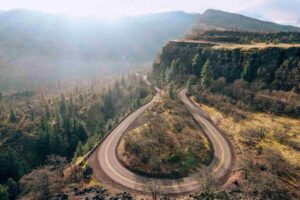
For a half-day outside downtown, drive twenty minutes to the Columbia River Gorge. Multnomah Falls is the famous stop, and for good reason.
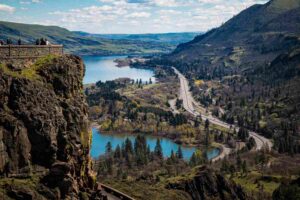
Arrive early or late in the day to avoid the crowds that build up by mid-morning.
Continue further into the gorge for quieter waterfalls if you have time, with a fraction of the visitors.
Day 6: Mount Hood Day Trip
From Portland, it’s under two hours to Mount Hood. The shift in scenery is dramatic on this leg of the trip. Alpine forest, glacier views, and a completely different feel from the coast and valley you’ve already driven through.
Trillium Lake and Timberline Lodge
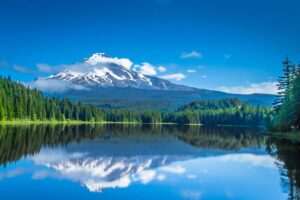
Trillium Lake offers one of the most photographed views of Mount Hood. The mountain reflects almost perfectly in the water on a calm morning.
It’s an easy, flat walk from the parking area, making it accessible even if you’re not planning a longer hike.
Drive up to Timberline Lodge if the season allows. This historic lodge sits right on the mountain, with sweeping views in every direction.
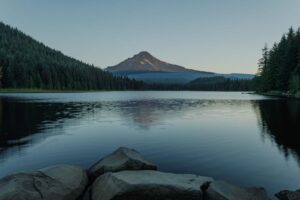
Even a short stop for lunch here is worth the detour.
This is a good day to slow down deliberately. A quieter mountain day resets the pace after several days of driving and city walking, before heading back.
Day 7: Back to the Coast or Home
Day seven can loop back toward the coast for one last stop. Or it can head directly back toward your departure city, depending on where you started.
Silver Falls State Park sits roughly halfway between Portland and the valley. It makes an excellent final stop if you have the time.
The Trail of Ten Falls loop lets you walk behind several waterfalls. It’s an experience that’s hard to find anywhere else on this route, and a memorable way to close out the trip.
Practical Tips for This Route
Rent a car with good gas mileage, but don’t worry about needing anything rugged. Every stop on this route is accessible by regular paved roads, even the coastal viewpoints and mountain stops.
Book coastal accommodation early in summer. Towns like Cannon Beach and Newport fill up quickly between June and August, and prices climb accordingly.
Pack layers no matter the season. The coast, valley, and mountains each have noticeably different weather, sometimes on the same day. What starts foggy on the coast can turn sunny and warm by the time you reach the valley.
Download offline maps before heading into the gorge or up Mount Hood. Cell service gets spotty in several stretches of this route, particularly around the more remote coastal viewpoints.
Build in slack time. This itinerary looks tightly scheduled on paper. But the best moments on this trip were almost always the unplanned ones.
A pull-off you didn’t expect. A viewpoint that wasn’t on the list. An extra twenty minutes at a tasting room because the conversation was good.
What I’d Do Differently Next Time
Looking back, a few adjustments would have made this trip even better.
I’d spend one more night on the coast. Rushing the drive between Cannon Beach and Florence in a single day was a mistake.
The coastline deserves the extra time, and rushing it was the one part of the trip that felt genuinely hurried.
I’d also book Willamette Valley wine tastings slightly ahead of time during peak season, roughly May through October.
Walk-ins are often possible on weekdays, but a few of the more popular vineyards do fill up on weekends.
Checking trail conditions around Mount Hood before finalizing that leg rounds out the list. Snow can linger into early summer at higher elevations.
That affects which trails and viewpoints are actually accessible, depending on when you go.
FAQ: Oregon Road Trip Itinerary
How many days do you need for an Oregon road trip?
Seven days is ideal for covering the coast, Willamette Valley, Portland, and Mount Hood at a comfortable pace. Five days works if you need to move faster. Ten days lets you slow down considerably, especially along the coast.
What is the best time of year for this trip?
Late spring through early fall, roughly May through September, offers the most reliable weather. This window also gives the best access to mountain trails and viewpoints. Summer is the busiest season, so book coastal accommodation early if traveling in July or August.
Do you need a car with four-wheel drive?
No. Every stop on this Oregon road trip itinerary is accessible by regular paved roads. That includes the coastal viewpoints, the Willamette Valley wineries, and the drive up to Mount Hood.
Where should you stay along this route?
Base yourself in Newport or Lincoln City for the coast. McMinnville or Dundee works well for the Willamette Valley, and downtown Portland covers the city stretch. Each of these towns offers a solid range of accommodation without requiring long backtracks between stops.
Final Thoughts
The biggest mistake you can make with an Oregon road trip itinerary is trying to see too much too fast. This state doesn’t reward rushing.
The coastline wants an unhurried morning. Willamette Valley wine country wants a slow afternoon with no agenda.
Portland wants to be walked, not just driven through.
Give this route the full seven days if you can. Build in room to pull over when something catches your eye that wasn’t on the plan.
If you’re mapping out another stateside drive next, our California road trip guide follows the same day-by-day approach.
Discover more from Escape Cents
Subscribe to get the latest posts sent to your email.