
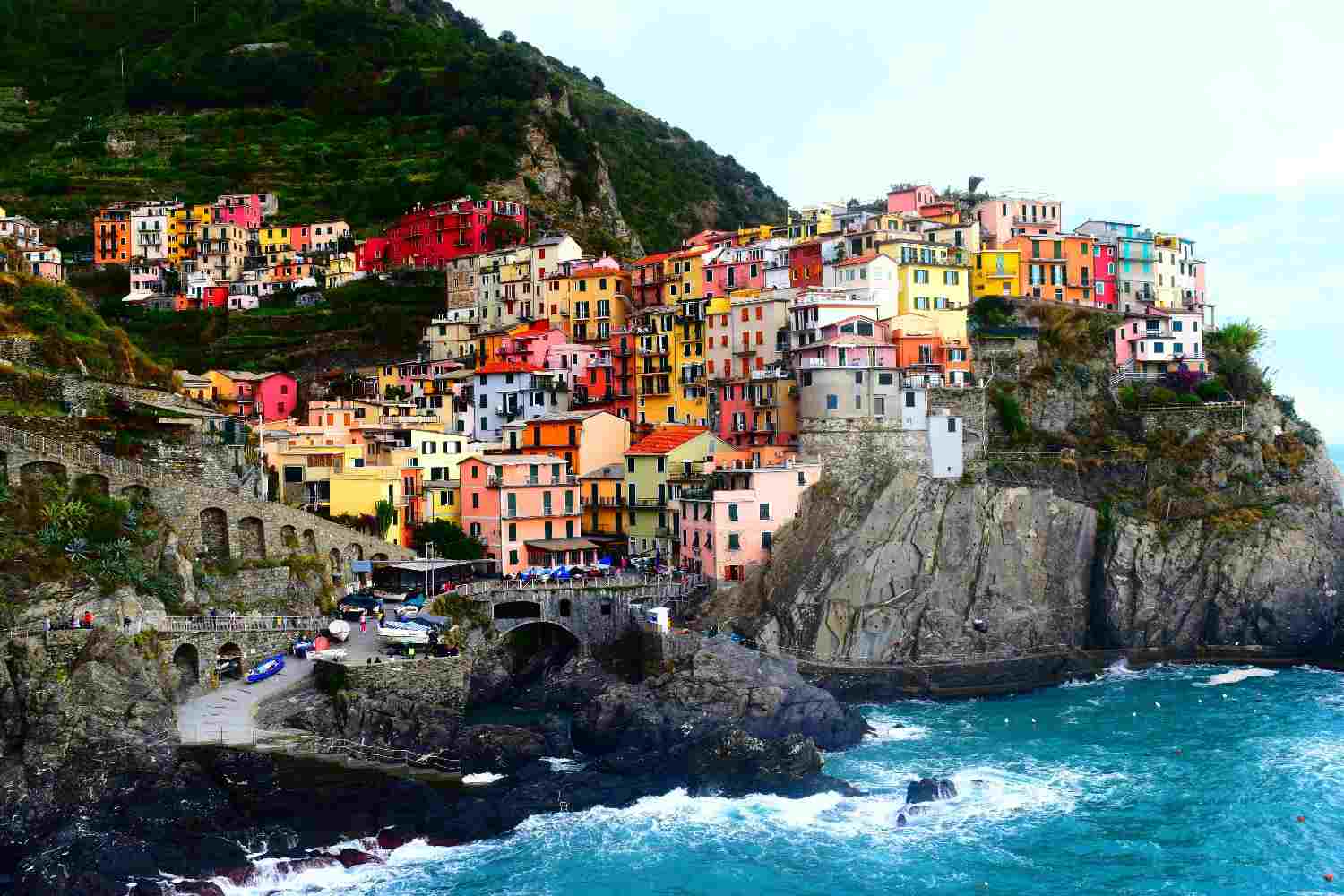
A cluster of pastel houses clings to a cliff face above the sea. Laundry strings between windows, and somewhere below, a fishing boat idles in a harbor the size of a swimming pool.
That’s Manarola, one of the five villages of Cinque Terre, and it’s the kind of place that makes you stop mid-sentence.
Italy holds dozens of towns like this. Scattered across hillsides and coastlines, far from the tour bus routes, these fairytale villages in Italy rarely make it onto a first-timer’s itinerary.
This list rounds up fifteen worth building a detour around, organized by region so you can plan a real route instead of chasing pins on a map.
Why These Small Towns Stay Off Most Itineraries
Most first-time visitors to Italy build a trip around Rome, Florence, and Venice. That makes sense. Those cities earn their reputation.
But the smaller towns rarely make the cut. Reaching them usually takes extra planning. Sometimes there’s no direct train, no major airport nearby, just a single bus that runs twice a day.
That inconvenience is exactly what keeps them from feeling overrun.
Spend an afternoon in one of these towns and the pace changes immediately. Shops close for a two-hour lunch.
Neighbors greet each other by name in the piazza.
It’s a different rhythm than anything you’ll find in the bigger cities, and it’s a big part of what makes these fairytale villages in Italy worth seeking out in the first place.
Cinque Terre and the Ligurian Coast
Manarola
Manarola might be the most photographed of the five Cinque Terre villages. Its harbor is ringed by candy-colored buildings stacked up the hillside, and at sunset the whole scene looks almost unreal.
Skip the midday crowds. Walk the coastal path early, when the light is soft and the town belongs mostly to residents heading to work.
Vernazza
Vernazza has a natural harbor that the other four villages lack. Boats bob right up against the piazza where locals eat lunch, giving it a slightly different feel from its neighbors.
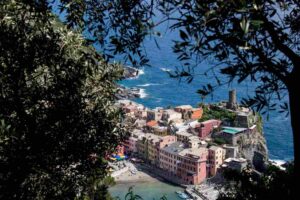
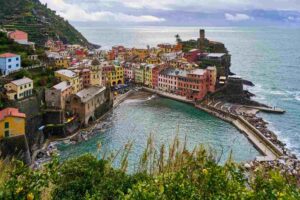
It’s arguably the prettiest of the group, though that’s a genuinely close call.
Riomaggiore
The southernmost of the Cinque Terre villages, Riomaggiore stacks tall, narrow houses in shades of orange and yellow up a steep ravine.
The famous Via dell’Amore trail once connected it to Manarola.
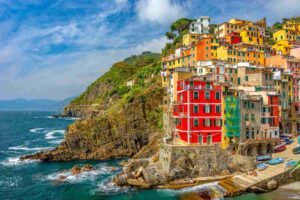
Sections have periodically closed for repairs over the years, so check current trail status before counting on that route.
Tuscan Hill Towns
San Gimignano
San Gimignano is known for its medieval stone towers rising above the Tuscan countryside. Locals call it the Medieval Manhattan.
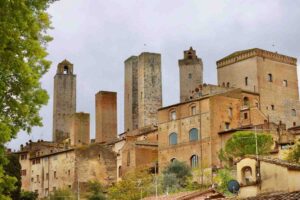
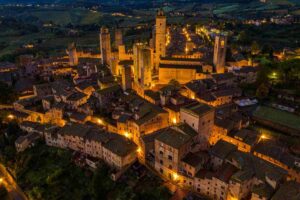
Fourteen towers still stand today, down from the original seventy or more built by competing wealthy families, each trying to outdo their neighbors in height and status.
Pienza
Pienza is a Renaissance-era planned town, rebuilt in the 1400s according to a single architectural vision. That cohesive design makes it one of the more harmonious small italian villages in the entire region.
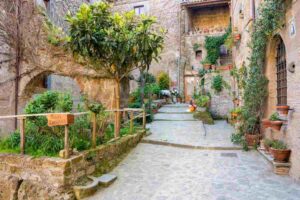
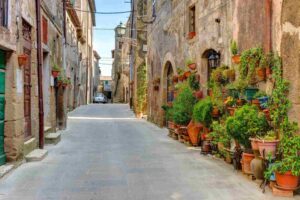
It also sits at the heart of Tuscany’s pecorino cheese production, worth timing a visit around a local market day.
Montepulciano
Montepulciano perches on a limestone ridge with sweeping valley views. Its winding medieval streets pair with some of Tuscany’s best Vino Nobile wine. The walk up from the lower town gate to the main piazza is steep, but it rewards you with a proper hilltop panorama at the top.
Volterra
Volterra sees far fewer visitors than San Gimignano despite similar medieval charm. It sits on a windswept plateau with Etruscan ruins scattered throughout town.
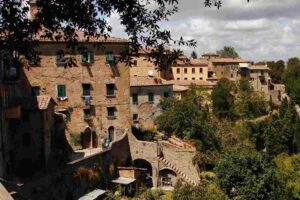
The atmosphere here feels moodier and quieter than its more famous Tuscan neighbors.
Umbria’s Quiet Villages
Civita di Bagnoregio
Locals call it the dying town, since erosion has slowly shrunk the plateau it sits on.
Civita di Bagnoregio is reachable only by a long pedestrian bridge.
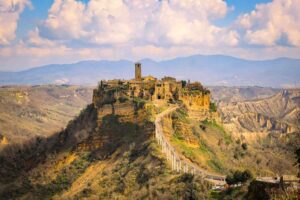
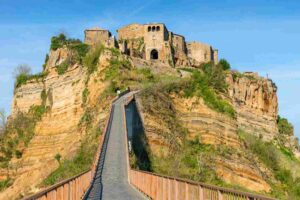
That isolation makes it feel suspended in time, and it’s one of the most striking traditional italian village settings anywhere in the country.
Spello
Flower boxes overflow from nearly every window ledge in Spello. The town looks its best during the Infiorata festival each June, when residents create elaborate flower carpets across the streets. Even outside festival season, it remains one of Umbria’s prettiest towns.
Assisi
Assisi is best known as the birthplace of Saint Francis. It combines religious significance with genuine architectural beauty.
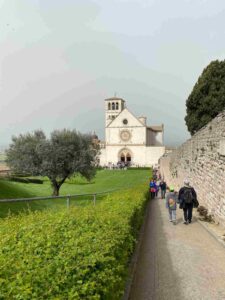
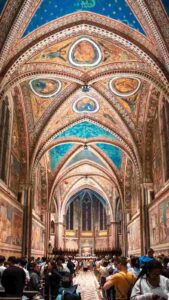
Its pink-hued stone buildings glow at sunset, and the Basilica di San Francesco draws pilgrims and architecture lovers alike.
Southern Italy and the Amalfi Coast
Positano
Positano cascades down a cliffside toward the sea. It’s the postcard image most people picture when they think of the Amalfi Coast. It’s also one of the more expensive and crowded stops on this list, best visited outside peak summer months if possible.
Ravello
Ravello sits higher up the cliffs than Positano. It trades beach access for quiet gardens and some of the best coastal views on the entire Amalfi Coast.
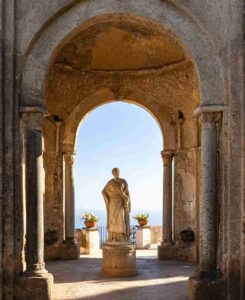
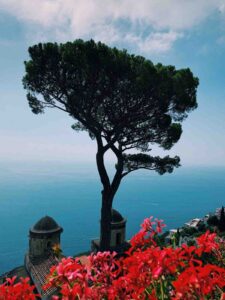
Villa Rufolo and Villa Cimbrone both offer viewpoints that regularly rank among Italy’s most photographed.
Alberobello
Alberobello is famous for its trulli, distinctive white conical-roofed stone huts found nowhere else in quite this concentration. The town looks unlike anywhere else in Italy.
The Rione Monti district holds the highest concentration of these unusual structures.
Lesser-Known Northern Villages
Varenna
Varenna sits on the eastern shore of Lake Como. It offers the same dramatic lakeside scenery as its more famous neighbors, with noticeably fewer crowds.
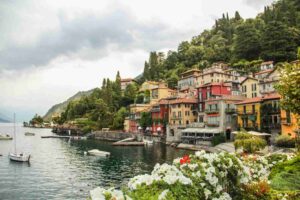
A lakeside promenade connects the town’s colorful waterfront buildings in one easy, scenic walk.
Castelrotto
Castelrotto is tucked into the Dolomites. It blends alpine architecture with mountain views that feel worlds away from the rest of Italy on this list.
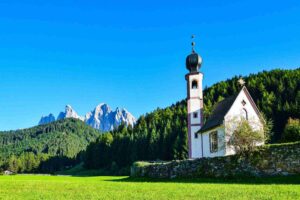
The town makes an excellent base for hiking the surrounding Alpe di Siusi, Europe’s largest high-altitude alpine meadow.
How to Plan a Route Between These Towns
Trying to hit all fifteen in one trip isn’t realistic. Honestly, it isn’t the point either. Pick a region and go deep instead.
Group by geography, not by list order. Cinque Terre and the Ligurian Coast pair naturally with a Tuscany loop. The Amalfi Coast towns work well together as their own dedicated few days. Treat the Dolomites and Lake Como towns as a separate northern trip.
Base yourself centrally within a region. Staying in one town and taking day trips to nearby villages usually beats constantly repacking and changing hotels every night. A single well-chosen base can put four or five of these towns within a short drive or train ride.
Build in slower days between the busier stops. A quiet afternoon in Volterra or Castelrotto, without a packed itinerary, tends to be more memorable than rushing through five towns in one day. Give at least one day per region with nothing scheduled at all.
Check transit schedules before you go. Some of these small italian villages have limited bus or train service. Occasionally it’s just once or twice daily, so confirm timing well ahead rather than assuming frequent connections.
Book accommodation early for peak season stops. Towns like Positano and the Cinque Terre villages fill up fast between June and August, and prices climb considerably the closer you get to your travel dates.
Booking three to six months ahead gives you far more options and better rates.
What Makes These Towns Feel Different From Bigger Cities
There’s a specific texture to daily life in these small towns that larger cities simply can’t replicate, no matter how charming their historic centers are.
Population size plays a big part. Most of these towns count their residents in the hundreds or low thousands, not the hundreds of thousands.
That scale changes how a place feels to walk through.
You notice the same shopkeeper twice in one afternoon. You overhear the same three conversations happening in the piazza.
Tourism infrastructure stays lighter, too. Fewer souvenir shops selling identical magnets, fewer restaurants with laminated multilingual menus positioned to catch passing foot traffic.
What’s left tends to be businesses actually serving the people who live there, which usually means better, more honest food and a more genuine welcome when you do stop in.
None of this makes these towns better than Rome or Florence.
It just makes them different, and worth experiencing as their own thing rather than a smaller version of the cities everyone already knows.
A day or two spent slowing down in one of them tends to stick with travelers longer than another rushed morning at a major landmark.
FAQ:
What is the most beautiful small town in Italy?
It depends heavily on personal taste. Manarola in Cinque Terre and Civita di Bagnoregio in Umbria are two of the most consistently mentioned candidates among the most photogenic fairytale villages in Italy.
How many days do you need for Cinque Terre?
Two to three days is usually enough to visit all five villages at a relaxed pace. That includes time for the coastal hiking trails between them.
Are these Italian villages easy to reach without a car?
Many are accessible by train or bus, particularly Cinque Terre and the larger Tuscan towns. A car does give you more flexibility for reaching smaller, more remote villages like Castelrotto.
What is the best time of year to visit small towns in Italy?
Late spring and early fall offer milder weather and considerably smaller crowds than the peak summer months. This matters most in high-traffic spots like Positano and Cinque Terre.
Final Thought
These fifteen fairytale villages in Italy each earn their spot for a different reason. Cliffside views. Medieval architecture.
Quiet piazzas. A rhythm of life that simply moves slower than anywhere else in the country.
Pick one region, build a few unhurried days around it, and you’ll come away with a version of Italy that most visitors never see.
If you’re planning the transportation side of a longer trip, our Italy travel tips guide covers trains, driving, and getting between regions in more detail.
Discover more from Escape Cents
Subscribe to get the latest posts sent to your email.
“Thank you for the comment! I’m so glad you found the guide helpful. There’s something special about discovering those hidden gems and unhurried experiences in both Italy and England. If you explore any of these villages, I’d love to hear which ones became your favorites!”