
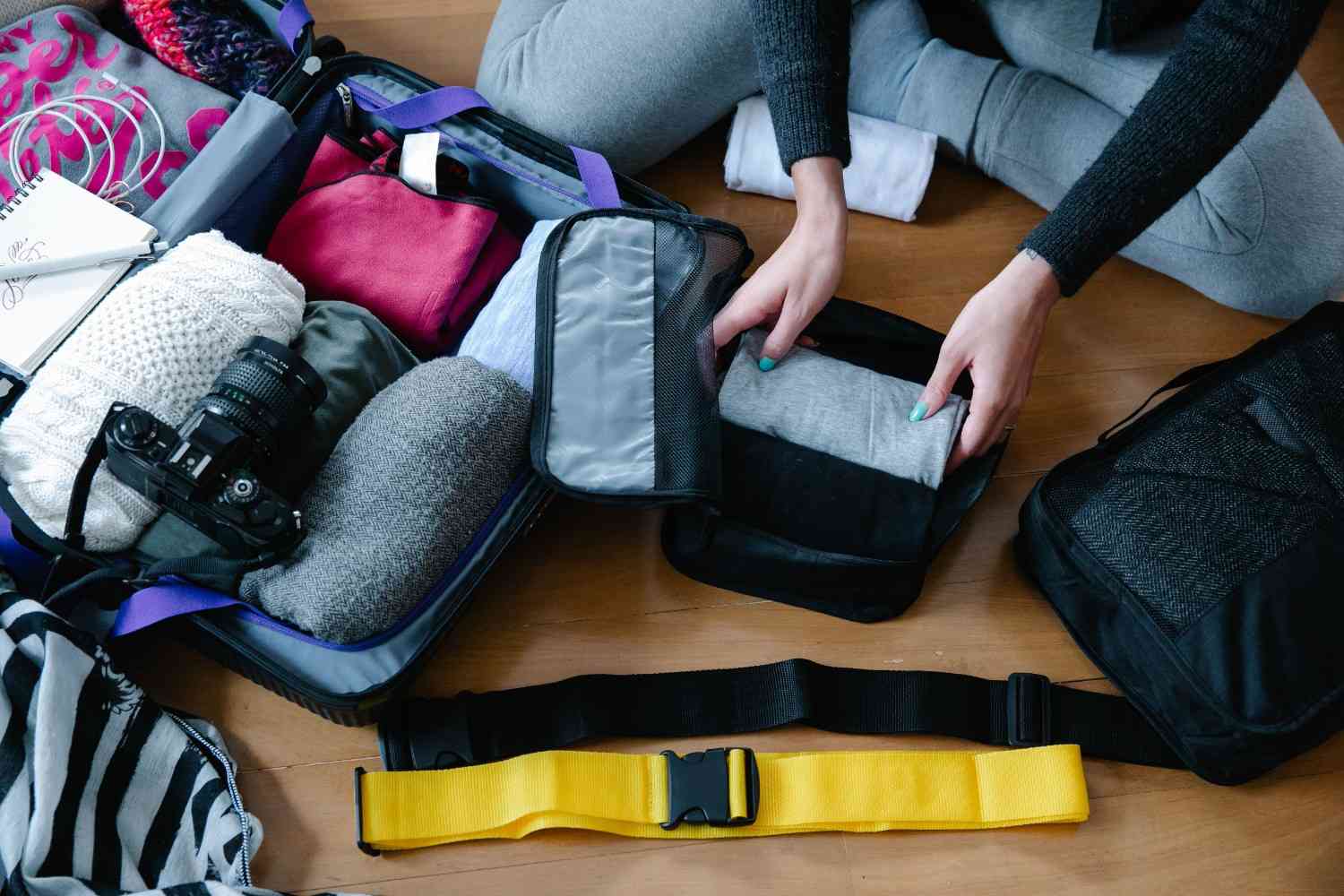
Italy Travel Tips rarely cover the small stuff that actually trips people up.
Most guides tell you to see the Colosseum and eat real pasta. Both are true.
Neither prepares you for the moment your card doesn’t work at a rural gas station, or the museum you planned around turns out to be closed on Mondays.
I learned most of these lessons the hard way, over several trips and more than a few frustrated moments.
This guide covers the practical details that make the difference between a smooth trip and a stressful one, sorted by category so you can find what you need fast.
Why Generic Advice Falls Short
Generic guides fall short because Italy is not one country in practice.
It behaves like several regions loosely stitched together, each with its own rhythm, rules, and quirks.
What works in Rome does not always work in a small Tuscan village. What’s normal in Venice can feel completely different in Sicily.
Broad advice tends to average all of this out. That leaves gaps exactly where you need detail most.
The tips below are broken down by category: money, transport, food, and culture.
Skim the sections most relevant to your trip, or read straight through if this is your first visit.
Money and Payment Tips
Carry Some Cash
Many small towns, family-run restaurants, and market stalls still prefer cash.
Some simply don’t accept cards at all. Keep smaller bills on hand for these situations.
Notify Your Bank First
A foreign transaction attempt without notice sometimes triggers a fraud alert, freezing your card at the worst possible moment.
A two-minute call before you leave avoids this entirely.
Skip Dynamic Currency Conversion
When a card machine asks if you want to pay in your home currency instead of euros, always choose euros. The conversion rate offered is almost always worse than what your bank provides.
Budget for the Coperto
Many restaurants charge a small cover fee per person, separate from tips or service. It’s standard practice, not a scam, and it usually shows up clearly on the bill.
Don’t Feel Obligated to Tip Heavily
Rounding up or leaving a few euros for excellent service is appreciated but not required the way it is in the US. Service is generally included in the price already.
Transportation Tips
Validate Train Tickets Before Boarding
Unvalidated paper tickets can result in a fine on regional trains, even if you fully intended to ride legitimately. Look for small yellow or green validation machines on the platform.
Book High-Speed Trains Ahead
Regional trains are flexible and cheap without booking ahead. High-speed routes between major cities get significantly more expensive closer to departure, so lock those in early.
Rent a Car Only Outside Major Cities
Historic centers often restrict car access entirely through ZTL zones. Driving in dense city traffic adds stress without much benefit. Save the rental for countryside regions like Tuscany or Puglia.
Understand ZTL Zones
These restricted traffic zones issue automatic fines to anyone driving through without authorization, even briefly. Cameras catch violations well after the fact, often showing up as a mailed fine months later.
Expect to Walk More Than You Planned
Historic centers are usually compact and best explored on foot. Comfortable shoes matter more than any other packing decision on this list.
Food and Dining Tips
Skip the After-Dinner Cappuccino
Ordering one after a meal, especially dinner, marks you instantly as a tourist. Espresso is the standard choice after eating.
Adjust Your Meal Timing
Many restaurants don’t open for dinner until 7:30 or 8pm, and some close entirely between lunch and dinner service. Plan accordingly, especially outside major tourist areas.
Check Whether Bread Is Included
Depending on the region and restaurant, bread may be part of the coperto or charged separately. Check the menu if you’re unsure.
Be Wary of the Menu Turistico
Restaurants advertising a tourist menu near major attractions are usually lower quality and higher priced than walking two streets further from the landmark.
Specify Your Water Preference
Restaurants typically charge for bottled water. You’ll need to specify still, naturale, or sparkling, frizzante, when ordering.
Try Regional Specialties, Not Just “Italian Food”
What’s considered classic in Rome differs significantly from Bologna, Naples, or Sicily.

Regional dishes tell you more about a place than a generic plate of spaghetti ever will.
Packing and Practical Tips
Pack Layers Regardless of Season
Weather shifts quickly between regions and time of day, especially in shoulder seasons like spring and fall.
Download Offline Maps
Cell service can be spotty in smaller towns, rural areas, and older buildings with thick stone walls.
A downloaded map saves you when signal disappears.
Dress Modestly for Churches
Shoulders and knees typically need to be covered to enter, even at sites that otherwise feel like tourist attractions rather than active places of worship.
Bring the Right Adapter
Type L outlets are standard in Italy, though Type C or F adapters sometimes work depending on the plug shape. Bring the correct one rather than assuming a generic adapter will fit.
Use Pharmacies for Minor Ailments
For small issues, an Italian pharmacist can often recommend treatment without needing a doctor’s visit. Pharmacies are marked by a green cross sign.
Culture and Etiquette Tips
Greet Before You Ask for Anything
A simple buongiorno when entering a shop or restaurant goes a long way. Skipping it can come across as abrupt, even if that’s not your intent.
Check Museum Closure Days
Many major sites close on Mondays, and hours can shift seasonally. Always check the specific site’s schedule before planning your day around it.
Book Major Attractions Early
Popular sites like the Colosseum, Vatican Museums, and Uffizi Gallery sell out days or weeks in advance during peak season. Skip-the-line tickets are worth the extra cost to avoid multi-hour waits.
Plan Around August Closures
Many smaller shops and family-run restaurants close for part or all of August, particularly outside major tourist cities. Check ahead if traveling during this month.
Learn a Few Basic Phrases
English is widely understood in tourist areas, but a little effort with the local language is consistently well received, especially outside major cities.
Watch Sunday Hours in Smaller Towns
Many shops close on Sundays outside tourist zones. Plan grocery runs and errands accordingly if you’re staying somewhere less touristy.
Keep Public Transport Etiquette in Mind
Loud phone conversations and boisterous group chatter on trains and buses draw more attention than they would in many other countries.
Regional Differences Worth Knowing
The north and south of Italy don’t just look different. They run on different rhythms entirely.
Milan and the north tend to feel more efficient and businesslike. The south, including Naples and Sicily, moves at a slower, more relaxed pace.
Adjust your expectations for punctuality depending on where you are.
Coastal regions have their own peak-season pattern too. Places like the Amalfi Coast and Cinque Terre get significantly more crowded and expensive between June and August.
Shoulder season, particularly May or September, offers a noticeably calmer experience at these popular spots.
Regional pride runs deep almost everywhere.
Many older residents in smaller towns still speak in local dialect alongside standard Italian, and pride in specific dishes, wines, or traditions can be strong.
A little curiosity about these differences is usually well received.
How to Avoid Common First-Timer Mistakes
Even well-prepared travelers tend to repeat the same handful of mistakes on a first trip. Here’s how to sidestep them.
Don’t overpack the itinerary. Trying to fit Rome, Florence, Venice, and the Amalfi Coast into a single week usually means spending more time in transit than actually experiencing any one place.
Fewer stops with more time in each tends to produce a better trip than a rushed checklist.
Don’t assume English will always be available. It’s common in major cities and tourist areas, but far less reliable in smaller towns, rural regions, or with older residents.
A translation app and a few basic phrases go a long way.
Don’t underestimate walking distances. Historic centers look compact on a map, but cobblestone streets, hills, and heat can make a short-looking walk feel much longer than expected.
Run through a pre-trip checklist before departure. Notify your bank of travel dates. Download offline maps for your route. Book any major attraction tickets in advance.
Confirm your accommodation sits outside restrictive ZTL zones if you’re renting a car. Pack layers and comfortable walking shoes. Bring the correct plug adapter.
Check whether your dates overlap with August closures.
Running through that list catches most of the mistakes that derail an otherwise well-planned trip.
FAQ: Planning A Trip To Italy
What is the most important thing to know before visiting Italy?
Understanding ZTL zones if you’re driving, and knowing that many restaurants and shops close for part of the day or week, are among the most useful italy travel tips for avoiding unexpected fines or closed doors.
Do I need cash in Italy, or is card enough?
Both are useful, but carrying some cash is worth doing, since smaller towns, markets, and family-run spots don’t always accept cards.
What should I avoid doing in Italy as a tourist?
Ordering cappuccino after a meal, skipping greetings when entering shops, and driving into ZTL zones without checking are common mistakes that stand out as avoidable once you know them.
When should I avoid traveling to Italy?
August is worth planning around carefully, since many smaller businesses close for vacation during that month, particularly outside major cities.
Is it better to rent a car or rely on trains in Italy?
Trains work well for moving between major cities, while a car makes more sense for exploring countryside regions like Tuscany or Puglia, where public transport is limited.
Final Thoughts
The flashiest italy travel tips get all the attention: the hidden gem restaurant, the secret viewpoint, the perfect photo spot.
Those matter, but they’re rarely what makes or breaks a trip.
It’s the boring details, cash on hand, validated tickets, checked opening hours, that keep small annoyances from snowballing into a genuinely stressful day.
Handle those first, and the memorable parts of Italy take care of themselves.
If you’re building out a full itinerary next, our Oregon road trip guide walks through the same kind of practical, day-by-day planning approach.
Discover more from Escape Cents
Subscribe to get the latest posts sent to your email.